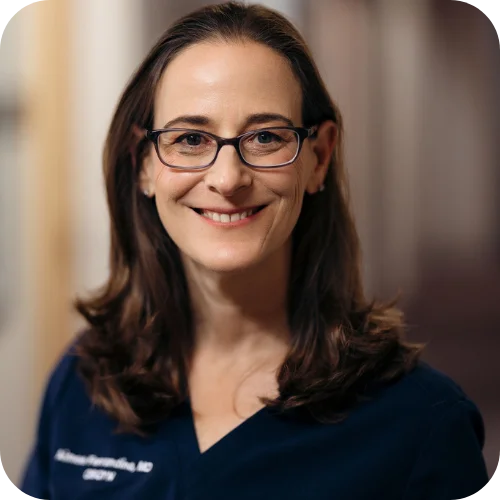
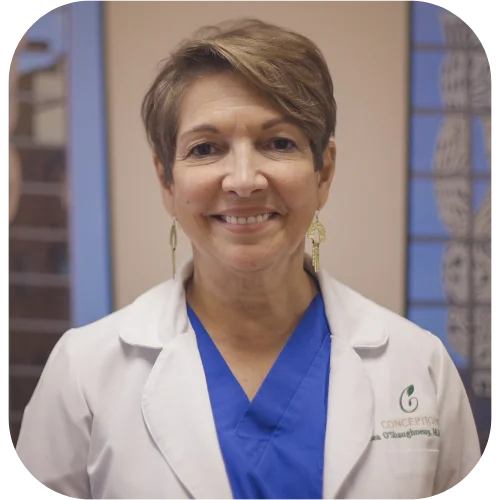
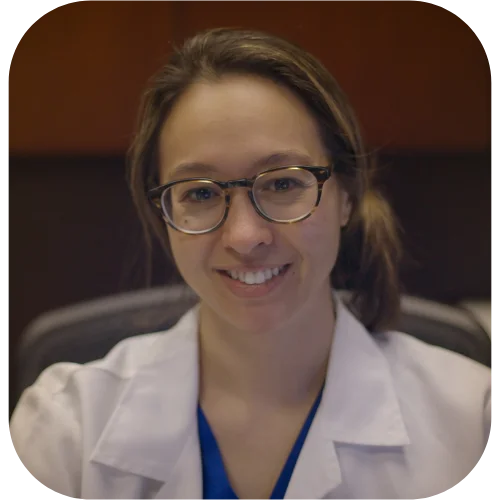
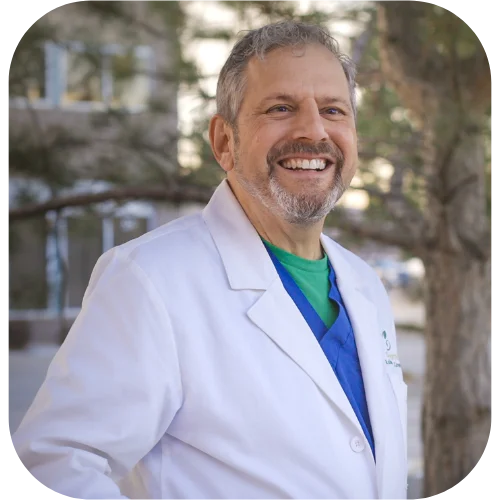
'%20d='m0%200%2016%2011h61%2061%2061%2061%2060L47%2037h61%2061%2060%2061L16%2063h61%2061%2061%2061%2060L47%2089h61%2061%2060%2061L16%20115h61%2061%2061%2061%2060L47%20141h61%2061%2060%2061L16%20166h61%2061%2061%2061%2060L47%20192h61%2061%2060%2061L16%20218h61%2061%2061%2061%2060z'/%3e%3c/svg%3e)

About Conceptions Reproductive Associates of Colorado
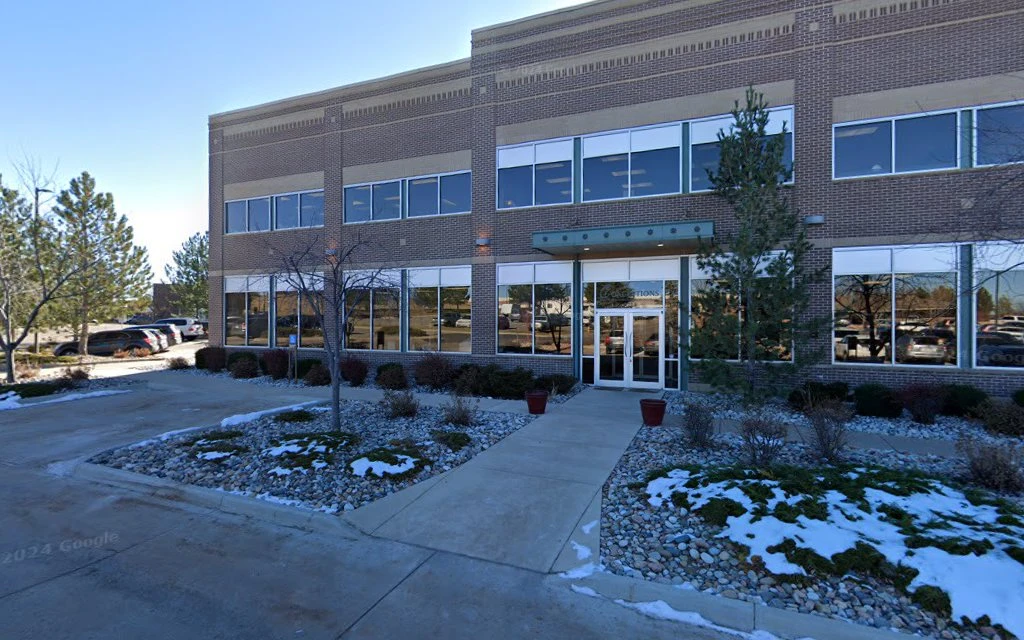
2,726 cycles in one reporting year, filed with SART under a single clinic identifier. That is the number that matters first, because it tells you how much of this practice’s published result comes from real volume rather than a handful of easy cases. Conceptions Reproductive Associates of Colorado runs IVF, ICSI, IUI, PGT-A, PGT-M and PGT-SR, egg freezing, donor egg and donor embryo programs, gestational carrier cycles and fertility preservation before cancer treatment, from four Denver-area offices: Littleton (the main center and home of the IVF laboratory), Denver, Lafayette and Lone Tree.
The practice has operated in Denver-area medicine for more than twenty years. Mark Bush, one of its physicians, left academic medicine for Colorado in 2004 — the year this page carries as the founding date, taken from his arrival rather than from a registration record. Under his account the lab adopted day-5 embryo culture in 2006 and chromosome and genetic assessment of embryos in 2009. Conceptions is now part of The RMA Network (Reproductive Medicine Associates), and the Colorado gamete license it posts for 2025 is issued to RMA Colorado Management, LLC.
Google ratings collected for this practice average 3.8 across 115 reviews. The practice says it treated prospective parents from 44 US states and a dozen countries in 2021, so a fair share of its patients are not local.
Whose numbers these are. SART registers this practice as one reporting unit, clinic ID 2001128, with Jasmine L. Chiang, MD named as medical director on the 2023 report. The material reviewed here does not split those 2,726 cycles across the four offices, and the license is held by a single management entity covering the practice. Read the results below as Conceptions-wide, not as Littleton-only or Denver-only. If you compare this page with another clinic’s office-level figures, you are comparing different units.
Live birth per intended egg retrieval, all embryo transfers, SART 2023 final. Under 35: 58.7% over 443 cycles. Ages 35-37: 48.5% over 330. Ages 38-40: 33.2% over 211. Ages 41-42: 15.9% over 88. Over 42: 2.9% over 34. The over-40 figure in the data table on this page, 12.3%, is those last two bands combined across their 122 cycles.
The SART 2023 national summary for the same year shows 53.2%, 39.9%, 26.2% and 9.4% across the four bands this page carries. Conceptions sits above each of them. Two cautions on that comparison, though: the national values in our records are not labeled with a denominator, so we cannot promise the national and clinic figures are built the same way; and the practice’s own materials warn that comparing centers is imperfect because patient characteristics, treatment approaches and admission criteria differ. SART repeats the same disclaimer.
The denominator the practice advertises. Conceptions’ homepage quotes 72.6% for women under 35 using their own eggs; its outcomes page quotes 75.6% for the same group. Both are higher than the 58.7% above because they count something else — live birth per new patient who started treatment that year, followed across all the cycles that patient needed, with the 72.6% figure restricted to singleton births. On that basis the 2023 report shows 75.6% under 35 (340 patients), 69.3% at 35-37 (218), 49.2% at 38-40 (122), 28.6% at 41-42 (42) and 1 in 16 past 42.
Neither number is wrong, and per-new-patient is arguably the more useful statistic for a patient choosing a clinic — the practice itself says it prefers centers be judged on live births per patient, and argues that freeze-all and delayed transfer protocols make single-cycle reporting misleading. It is simply not the number a per-transfer quote from another clinic can be compared with. When you collect figures from clinics, write the denominator next to each one.
Accreditations & Awards
- SART reporting member — cycle outcomes filed for the 2023 year under clinic ID 2001128, which is why the age-band tables above can be checked rather than taken on trust
- Named to Newsweek’s America’s Best Fertility Clinics for 2026. The practice publishes the ranking caveat itself: listings may vary with ranking metrics, patient medical characteristics, treatment approaches and clinic entry criteria for ART
- Colorado state gamete license 440017, posted for 2025 in the name of RMA Colorado Management, LLC
- College of American Pathologists badge in the site footer, alongside ASRM, SREI and Better Business Bureau marks. The badge is what our records show; the certificate number and accredited address for the Littleton laboratory are not published in the material reviewed, so ask for them before you assume a lab accreditation covers your embryos
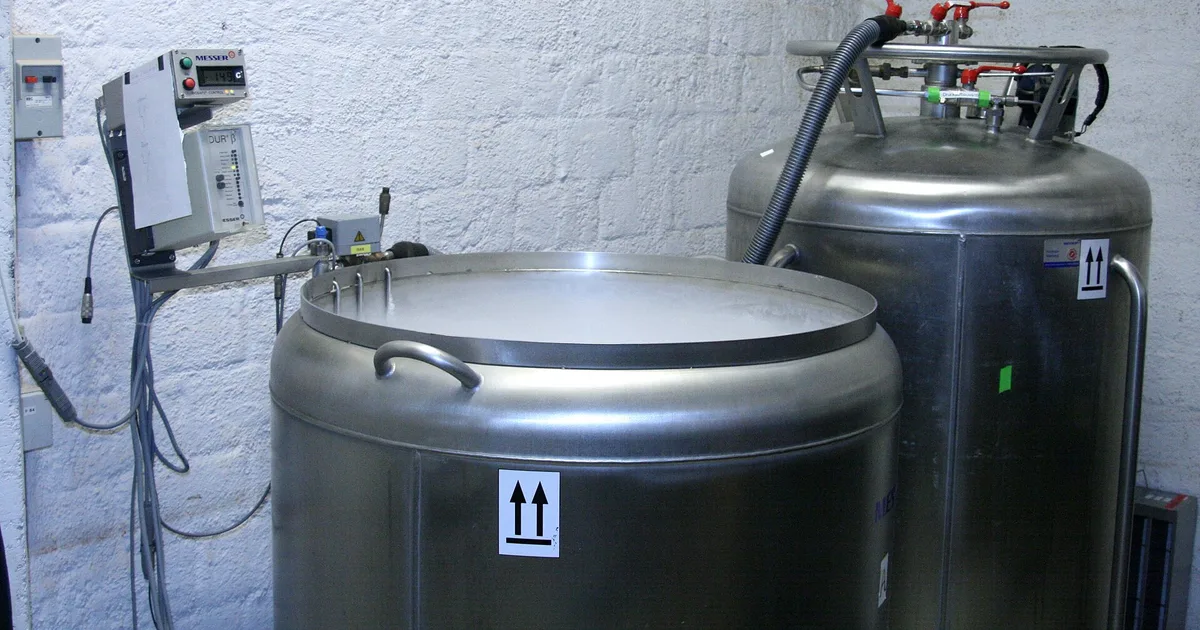
- TMRW Life Sciences ivfOS cryostorage, which the practice describes as one of only two Colorado centers using it: automated, sensor-monitored, RFID-tracked storage of eggs and embryos, checked continuously rather than by manual tank logs
- Member of the Colorado LGBTQ Chamber of Commerce, and a listed supporter of Colorado Fertility Advocates and ASRM community work
- Part of The RMA Network, a national group of reproductive medicine clinics. The practice presents this as added access to research, clinical trials and financing options, with the same local physicians and lab team
Why Choose Conceptions Reproductive Associates of Colorado
- Volume you can look up. 2,726 cycles reported for 2023 against a national per-clinic average near 932. Large numbers stabilize the age-band results above.
- Above the national figure on every band — 58.7% versus 53.2% per intended retrieval under 35, 48.5% versus 39.9% at 35-37, 33.2% versus 26.2% at 38-40 — with the labeling caveats set out above.
- The lab sits in the same building as the embryos. Littleton houses the IVF laboratory, with Lab Managing Partner Glenn Proctor, MHA leading the embryology team. Blastocyst-stage biopsy for PGT-A is done in-house; the material reviewed does not say which genetics laboratory reads the biopsies, so ask whether testing is in-house or sent out.
- Single embryo transfer is the default, not the exception. The practice has promoted SET for over a decade and pairs it with PGT-A and frozen transfer, citing Forman et al. in Fertility and Sterility (2013) on lower multiple-birth, prematurity and NICU risk.
- Automated cryostorage. The ivfOS system tracks and monitors stored eggs and embryos continuously, which is the answer to the question nobody thinks to ask until something goes wrong: who is watching the tank at 3 AM?
- Monitoring seven days a week in Littleton, 7:30-10:45 AM, with Lafayette and Denver open weekdays and Lone Tree closed Wednesdays. Early morning is when follicle scans happen; the weekend slot is what makes a stimulated cycle survivable if you work.
- A $200 self-pay new-patient consultation, telehealth for the first visit, and a stated goal of finishing the diagnostic workup within 30 days.
- Third-party reproduction under one roof — in-house fresh egg donation and embryo donation programs, plus agency relationships for fresh and frozen donor eggs, and only FDA-regulated sperm banks for donor sperm.
- Surgical capacity in the group. One physician is a trained laparoscopic surgeon with fifteen years of academic OB/GYN teaching at Duke, so an anatomy question found on imaging can be handled inside the practice rather than referred out.
IVF & Fertility Services
- In Vitro Fertilization (IVF): controlled ovarian stimulation with ultrasound and bloodwork monitoring over roughly two weeks, transvaginal retrieval under anesthesia taking 20-30 minutes as an outpatient procedure, fertilization the same day, and culture with observation to the transfer or freeze decision
- ICSI (intracytoplasmic sperm injection): single-sperm injection for male factor infertility or previous fertilization failure in a prior IVF cycle
- Blastocyst (day-5) culture: embryos grown to day 5 when age, diagnosis, and embryo number and quality support it, since blastocyst transfer achieves implantation with fewer embryos transferred
- PGT-A, PGT-M and PGT-SR: chromosome-number screening, testing for single-gene conditions such as Tay-Sachs or BRCA1/BRCA2, and structural rearrangement testing
- Elective single embryo transfer with frozen transfer, presented as the safety-first pathway rather than a way to cut costs
- Frozen embryo transfer and delayed transfer: vitrified embryos replaced in a later, more receptive cycle, typically about 30 days after retrieval
- Egg freezing (oocyte cryopreservation) for patients without a male partner or for personal or religious reasons, fertilized later
- Fertility preservation for cancer patients: a defined pathway starting with oncologist consultation on cancer type and treatment side effects, then a fertility specialist visit before chemotherapy or radiation begins, with options including IVF with egg freezing, ovarian stimulation with egg freezing, sperm cryopreservation, surgery to move ovaries out of a radiation field, and IVF with donor eggs
- Ovulation induction and IUI: Clomid or letrozole, or injectable gonadotropins with monitoring, combined with intrauterine insemination for low count, low motility or sperm-cervical mucus incompatibility
- Donor egg, donor sperm and donor embryo programs, including in-house fresh donation and gestational carrier coordination for same-sex male couples and patients who cannot carry a pregnancy
- LGBTQ+ family building: donor egg and donor sperm cycles and gestational carrier care; the practice’s physicians state care regardless of marital status or sexual orientation
- Male fertility evaluation: semen analysis using Kruger strict morphology, reporting volume, pH, viscosity and liquefaction, agglutination, concentration, motility and progression, viability, morphology, and cellular debris and white blood cells. Where a sample cannot be produced, sperm extraction is performed by community urologists the practice works with
- Baseline workup: history, FSH, AMH and estradiol bloodwork, transvaginal ultrasound for uterine assessment and egg count, hysterosalpingogram where indicated
- Fertility medication management: GnRH antagonists and agonists, gonadotropins, hCG trigger and luteal progesterone
- Telemedicine consultations and an Artemis patient portal for cycle scheduling, results and messages
- Adjunctive acupuncture and yoga services are listed on the practice’s service menu.
Fees & Packages
There is no published price list for an IVF cycle at Conceptions. What the practice does publish:
- New patient consultation: $200 for patients without insurance coverage
- Multi-cycle discount program, sold as one prepaid flat fee in two options: two egg retrievals, or three. Both include embryology, unlimited frozen embryo transfers from the retrievals in that package, in-cycle monitoring and the first year of cryopreservation storage. Pricing is quoted per patient and varies with age, office location and number of cycles. No application fee, and a full refund if you withdraw before treatment starts. Only IVF patients with an approved treatment plan from a Conceptions provider are eligible, and enrollment runs through a financial coordinator.
- Freeze All IVF self-pay package: standard IVF with retrieval, ICSI, blastocyst culture, vitrification and a future frozen embryo transfer, aimed at patients who plan to transfer in a later cycle. Priced on request; the practice notes pricing is subject to change.
- Donor compensation, published: up to $7,500 per anonymous egg donor, who may donate up to six times. Donor criteria include ages 19-33, BMI 19-29, regular cycles, non-smoker, no drug use for 12 months, no tattoos or piercings for 12 months, no significant personal or family medical or psychiatric history, and living within two hours of a Conceptions office.
- Financing partners named on the site: Future Family, CapexMD, ARC Fertility, Bundl and Prosper Healthcare Lending, which the practice presents as a way to roll donor or carrier fees and clinic fees into one loan.
- CareShare IVF refund program, listed among the financing options at this practice. Ask what percentage comes back and which cycles qualify.
What is not published: medication cost separate from cycle cost, IUI pricing, PGT-A per-embryo biopsy and testing fees, annual storage fees after the first included year, donor egg cycle pricing and gestational carrier program pricing. Ask for a written line-item estimate, and ask specifically what the first storage year covers and what it renews at.
Insurance is where Colorado changes the arithmetic — see the legal section below. Financial review happens with a coordinator before medications are ordered, and self-insured employers sit outside the state mandate.
Patient Journey
- Book a consultation, in person or by telemedicine, or by phone at the office you want to be seen at
- New patient visit ($200 without insurance): history, prior records reviewed by the physician, and a preliminary plan. The practice’s own guidance to patients is to ask what the clinic’s rates are for your age band and how long a workup takes
- Diagnostic workup, targeted rather than automatic, with a stated goal of completion inside 30 days: FSH, AMH and estradiol, transvaginal ultrasound, HSG where indicated, and semen analysis
- Protocol review with your physician — IVF, IUI, egg freezing, preservation before cancer treatment, or a donor or carrier path
- Financial clearance with a coordinator: benefits verification against your plan’s Colorado coverage, self-pay package or multi-cycle discount, and financing if needed
- Stimulation and monitoring: about two weeks of injectables with frequent early-morning scans and bloodwork, 7:30-10:45 AM, at Littleton seven days a week and weekdays at the other three offices
- Retrieval: scheduled with one of the physicians, transvaginal ultrasound-guided aspiration under anesthesia, 20-30 minutes, home the same day
- Fertilization and culture: eggs mature for several hours, then ICSI or conventional insemination that same day; culture with embryo observation to day 5 where appropriate, and biopsy if PGT is planned
- Transfer or freeze: fresh transfer, or vitrification for a frozen transfer in a later cycle — the practice’s preferred route when protocols call for it
- Pregnancy test and follow-up, with cycle logistics, results and messaging handled through the Artemis portal
Local Legal Framework
Insurance coverage is a statutory right in Colorado, not a clinic courtesy. The Colorado Building Families Act (HB20-1158), sponsored by Representative Kerry Tipper, took effect January 1, 2023 and requires health benefits issued or renewed in Colorado to cover the diagnosis of infertility, infertility treatment, and fertility preservation. Coverage runs to three egg retrievals and unlimited embryo transfers, and the mandate extends to patients who do not meet a traditional infertility diagnosis — single individuals and same-sex couples who need treatment to build a family.
The exclusions matter as much as the coverage. The practice’s own reading is that employers of roughly 100 or more may be required to follow the mandate, while self-insured plans are not bound by it. Check whether your plan is fully insured or self-funded before you assume three retrievals are available to you. Ask your HR benefits office in writing.
Donor eggs, sperm and embryos. Colorado permits gamete and embryo donation, documented by written informed consent, and this practice operates its own anonymous egg donor program alongside embryo donation internally and with approved donor agencies. Donor sperm is accepted only from FDA-regulated sperm banks, which is a screening-records point worth confirming if you are using a bank yourself.
Gestational carriers. The practice coordinates gestational carrier cycles for patients who cannot carry a pregnancy and for same-sex male couples, and Colorado is a state where these arrangements are performed. The Colorado statute sections that govern them are not identified in the material reviewed for this page, so this page makes no claim about enforceability of specific contract terms. Intended-parent orders and pre-birth parentage are legal questions rather than clinical ones; retain a Colorado reproductive-law attorney before a carrier’s cycle starts, not after a birth.
Embryo disposition and genetic testing. Cryopreserved embryos require your written instructions for use, storage renewal and disposition; PGT-A, PGT-M and PGT-SR are offered as standard cycle options under informed consent. Our records for this page do not document Colorado-specific statutory restrictions on PGT, so raise embryo disposition at the consent stage rather than later.
Who holds your gametes. The state gamete license on the practice’s site, number 440017 for 2025, is issued to RMA Colorado Management, LLC — the corporate entity behind the practice’s affiliation with The RMA Network. Independent physician practice and management entity are separate, which shows up when you ask who signs your consent forms and who is accountable for stored material.
Location
Littleton (main center and IVF laboratory)
- Address: 271 W County Line Rd, Littleton, CO 80129
- Phone: +1 303-794-0045
Denver
- Address: 4500 E. 9th Ave, #630, Denver, CO 80220
- Phone: +1 303-720-7887
Lafayette
- Address: 300 Exempla Circle, #370, Lafayette, CO 80026
- Phone: +1 303-449-1084
Lone Tree
- Address: Sky Ridge Medical Center, Evergreen Building, 10107 RidgeGate Parkway, Suite 300, Lone Tree, CO 80124
- Phone: +1 303-586-6598