'%20d='m0%200%2016%2011h61%2061%2061%2061%2060L47%2037h61%2061%2060%2061L16%2063h61%2061%2061%2061%2060L47%2089h61%2061%2060%2061L16%20115h61%2061%2061%2061%2060L47%20141h61%2061%2060%2061L16%20166h61%2061%2061%2061%2060L47%20192h61%2061%2060%2061L16%20218h61%2061%2061%2061%2060z'/%3e%3c/svg%3e)



About Duke Fertility Center
Duke Fertility Center is the assisted reproduction practice of Duke Health, the academic system that runs Duke University Hospital. It occupies suite space at Arringdon Park in Morrisville, in the Research Triangle between Durham and Raleigh, and has taken patients since 1998 — Duke’s own program history puts the center at more than 25 years and “tens of thousands” of families served, a clinic-stated figure rather than an audited one.
What separates it from a private IVF chain is the institution behind it. The center’s care team is built into one charting-and-referral system: reproductive endocrinologists who hold Duke faculty appointments, two clinical psychologists working with fertility patients, two physician assistants, an embryology laboratory, anesthesiologists for retrievals, and Duke Urology for male-factor work. When a cycle turns into a surgical or high-risk problem, the referral is inside the same system rather than across town.
Outcomes, with the caveats. The figures on this page come from Duke’s SART 2024 preliminary clinic report (SART clinic ID 2062), 797 cycles — a single-clinic report under Duke Fertility Center’s own SART registration, not a health-system roll-up. Live birth by patient age: 60.2% under 35, 46.2% at 35-37, 27.8% at 38-40, and 4.7% at 41 and up. Compared with the national SART averages carried in the comparison table here (a 2023 data set: 53.2% / 39.9% / 26.2% / 9.4%), Duke sits above the country under 38, roughly level at 38-40, and clearly below the national figure for patients over 40. Two things to hold onto: a preliminary SART year gets revised when the final report lands, and the ages-over-40 column always rests on a small number of cycles, so a handful of cases moves the percentage hard. SART publishes both per-retrieval and per-transfer denominators; ask the coordinator which one you are being quoted before you compare clinics.
Cycle volume is another honest read. Duke’s 797 cycles run slightly under the 932-cycle national clinic average, so this is a mid-sized academic program rather than a high-volume lab. And while the clinic’s aggregate Google reviews average 3.3 out of 5 across 81 ratings, Duke Health’s own physician rating pages list several of the center’s specialists between 4.7 and 4.9. Those are different instruments — the first mostly records scheduling, wait times and front-desk friction, the second a per-physician clinical survey — and a patient choosing between the two numbers should read both.
Accreditations & Awards
- CAP-accredited embryology laboratory with CLIA certification — the two accreditations that actually govern how your eggs, sperm and embryos are handled. Duke displays both on the program page.
- SART member clinic, reporting every cycle to SART and the CDC. That reporting is why the age-band results above exist publicly and why you can pull the same table yourself instead of taking a coordinator’s word for it.
- Fertility preservation research funding while you are in care: an NIH award running 2023-2028 in polycystic ovary syndrome work, and an American Cancer Society funded project for 2025-2026, both held by center physicians.
- Named professorship in the division: Dr. Steven L. Young is Duke’s F. Bayard Carter Distinguished Professor and chief of the Division of Reproductive Endocrinology and Infertility.
- Medical director Dr. Shelby A. Neal, MD, named on the clinic’s SART reporting record and the reviewing physician on Duke’s infertility patient materials as of December 2024.
- LGBTQ+ Healthcare Equality Leader designation from the Human Rights Campaign Foundation, held by Duke University Hospital, Duke Regional Hospital and Duke Raleigh Hospital. Note the designation attaches to the hospitals rather than to the fertility clinic’s own listing.
- Duke’s obstetrics and gynecology and urology departments each rank first in North Carolina in the U.S. News & World Report state rankings (urology, 2025-2026 edition) — the machinery a complicated cycle gets pulled into, from surgical male-factor diagnosis and sperm retrieval to complex uterine pathology.
- 25-plus years of operation, established 1998.
Board certification is worth reading carefully here. Duke’s published clinician profiles record ABOG certification in obstetrics and gynecology where the physician has listed it: Dr. Sarah M. Moustafa holds it, and Dr. Tara Streich-Tilles holds it plus the ABOG focused-practice designation in pediatric and adolescent gynecology. The center does not publish a roster-wide statement that every reproductive physician holds REI subspecialty certification, so confirm it physician by physician when you choose your doctor.
Why Choose Duke Fertility Center
- Prices you can read before you call. Published self-pay ranges are the exception in assisted reproduction. Duke posts them for consults, IUI, IVF, IVF with ICSI, frozen embryo transfer, medications, and the individual lab and imaging tests, down to an AMH at $78-$108.
- Psychologists on the care team, not on a referral list. The center’s own first-appointment team description includes a psychologist alongside the nurse, ultrasound technician, anesthesiologist and financial coordinator. Offered services include individual and couples counseling, a fertility support group, an IVF@DFC 101 class, a group for patients trying for medical reasons, decision counseling, and targeted help with pregnancy loss, disposition of extra embryos, procedure anxiety and needle phobia.
- A fertility preservation program with a named director. Medical and elective egg, embryo and sperm freezing, preservation before chemotherapy or radiation (a listed service), and freezing before gender-affirming treatment for transgender patients.
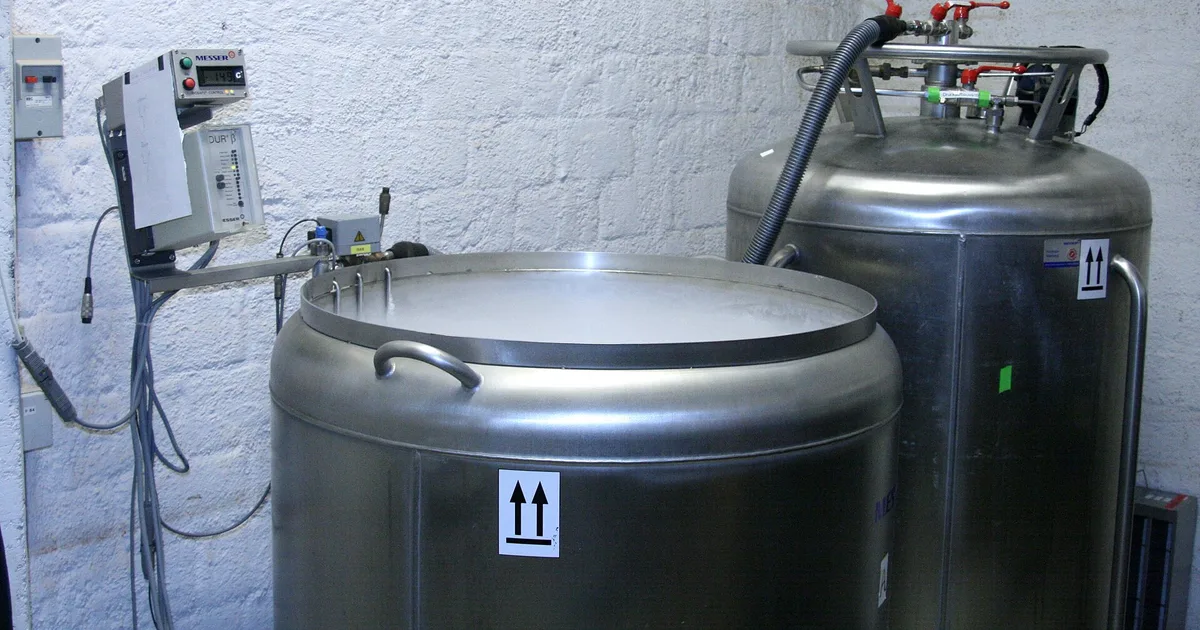
- Documented chain of custody on your specimens. Every sample is tracked on the RI Witness RFID platform, liquid nitrogen tanks and the storage room are monitored continuously, and long-term storage sits in a dedicated off-site facility rather than in a back hallway of the clinic.
- A donor egg program with published terms. Duke recruits and screens its own donors, pays $7,500 per completed donation, accepts first-time donors aged 21-30 (up to 35 for someone who has already completed a successful donation), requires BMI under 30 and no tobacco or drug use, and offers three openness arrangements: fully anonymous, identity release when the child turns 18, or immediate identity release.
- Telehealth intake. The first physician visit is a video appointment, so out-of-state and international patients can complete the history and the testing plan before booking travel; the in-person visit comes only after results are in hand.
- Depth behind the fertility clinic. Reproductive surgery, andrology, genetics, oncology and a full hospital system sit inside Duke Health, so a cycle that develops a fibroid, an obstruction, or a pregnancy complication does not require changing providers.
IVF & Fertility Services
- In Vitro Fertilization (IVF): stimulation with injectable medications, blood work and transvaginal ultrasound monitoring, retrieval as a scheduled procedure with anesthesia coverage, embryo culture, and transfer.
- ICSI (Intracytoplasmic Sperm Injection): single-sperm injection for male factor infertility, used on a stated price line of its own ($14,300-$19,500 self-pay for IVF with ICSI).
- PGT-A and PGT-M: preimplantation genetic screening for chromosome number and diagnostic testing for known single-gene conditions.
- IUI, with partner or donor sperm: the first-line option for unexplained infertility, mild male factor, donor sperm cycles for single patients and same-sex couples, and for several common indications where stimulation is not required.
- Egg donation and recipient cycles: screened donors through Duke’s own program; recipient IVF is priced as its own line ($15,500-$35,000 self-pay). Donor embryo transfer is also offered.
- Sperm donation and banked donor insemination.
- Third-party reproduction: cycles for intended parents using a gestational carrier, including for gay male couples, with psychological and legal-support resources built into the program.
- Egg, embryo and sperm freezing: oncofertility preservation, elective preservation, and preservation before gender-affirming care.
- Male infertility evaluation and treatment: hormonal workup, semen analysis, genetic testing, varicocele repair, surgery for obstruction, and surgical sperm retrieval, with Duke Urology.
- Diagnostic testing: AMH, FSH, LH and estradiol panels, semen analysis, hysterosalpingogram, saline infusion sonogram, STI screening and expanded carrier screening.
- Reproductive surgery: hysteroscopy and laparoscopy for uterine and tubal pathology.
- Recurrent pregnancy loss assessment and treatment planning.
- Psychological services for fertility, listed as a formal service line rather than an outside referral.
- Telehealth visits across the consultation and follow-up phases.
Two laboratory details worth asking about, because Duke’s public materials do not settle them: whether time-lapse embryo culture is available, and what the clinic’s default single-embryo-transfer policy is for good-prognosis patients. Laser-assisted hatching equipment, in-house embryology and off-site long-term storage are documented; those two specifics are not.
Fees & Packages
Duke publishes self-pay estimates for the fertility center, itemized below. Where a broader reference range appears elsewhere on this page, treat the itemized clinic figures as the specific ones: a new-patient consultation is $245, not several hundred. Ranges move over time, so request a written estimate for your own plan before medications start.
| Item | Self-pay range |
|---|---|
| New patient consultation | $245 |
| IUI | $850-$2,000 |
| IUI with monitoring, partner sperm | $1,800-$2,200 |
| IUI with monitoring, donor sperm | $1,700-$2,300 |
| IVF | $12,450-$18,000 |
| IVF with ICSI | $14,300-$19,500 |
| Recipient (donor egg) IVF | $15,500-$35,000 |
| Frozen embryo transfer | $3,500-$4,500 |
| Medications | $5,000-$6,000 |
| Hysterosalpingogram | $478-$800 |
| Saline infusion sonogram | $830-$1,200 |
| Semen analysis | $225-$250 |
| Sperm freezing | $287-$390 |
| AMH | $78-$108 |
| FSH or LH | $68-$98 |
| Estradiol | $95-$125 |
| Carrier screening (Myriad) | $300-$600 |
| STI screening | $800-$1,500 |
Medication is the number patients get caught by: the IVF lines above exclude drugs, and Duke’s own estimate for a stimulation course is $5,000-$6,000.
Insurance. The center contracts with most major insurers, and a financial coordinator verifies your benefits before the first appointment rather than after. Duke states that it accepts Progyny fertility supplement coverage — worth checking if your employer offers it, since Progyny plans often authorize cycles that a standard plan excludes. Duke Health employees have access to dedicated fertility benefits among their plan options. Medicaid does not cover fertility services here.
Financing and assistance. Duke lists ARC Fertility package financing for patients paying out of pocket: One-cycle Plus (one retrieval plus up to two embryo transfers), Two-cycle Plus (two retrievals, up to four transfers), and Three-cycle Plus (three retrievals, up to six transfers), plus an ARC Pharmacy plan that finances medications. Additional drug-cost programs include Fertility Lifelines from EMD Serono, discounts through Freedom Fertility Pharmacy, and patient resources from Resolve, the national infertility association.
If you are a donor. Egg donors at Duke receive $7,500 per completed donation after screening; donors may complete up to five additional donations before age 35 if their first cycle succeeded.
Patient Journey
- Send your records. The fertility center runs its own medical-records process for patients arriving from another practice, so outside records — prior cycle history, labs, imaging, operative notes — should be moving before you are seen rather than after.
- A nurse or medical assistant calls about a week ahead to take your history, so the doctor does not spend the consultation on intake forms.
- Telehealth consultation with a physician, roughly an hour: your history, the differential, and the specific diagnostic tests you need. Clinic hours run 8:00 to 5:00 weekdays, with weekend appointments by request.
- Complete the workup — hormone panels, semen analysis, uterine imaging such as HSG or saline sonogram, and carrier screening where indicated. Self-pay prices for each of these are published, and the financial coordinator verifies insurance before the visit.
- Return in person, four to six weeks later, to go over results and choose a treatment plan. This is the visit to ask about cycle-start timing, monitoring requirements and how many early-morning appointments a stimulation cycle will cost you.
- Treatment. Ovulation induction or monitored cycles, IUI, or an IVF cycle: stimulation and monitoring, triggering, retrieval, fertilization by insemination or ICSI, embryo culture, optional genetic testing, and transfer, with frozen specimens banked under the center’s tracked storage policy.
- Pregnancy test and follow-up, with Duke’s obstetric services available inside the same system, plus continued psychological support through the two dedicated fertility psychologists on staff.
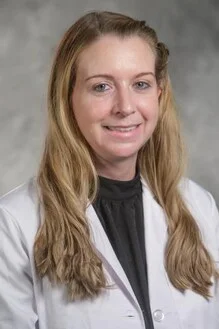
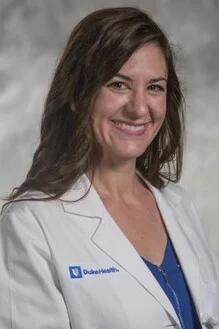
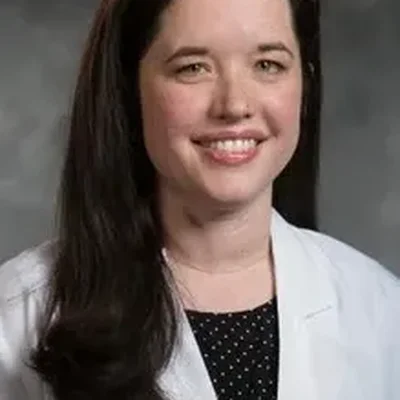
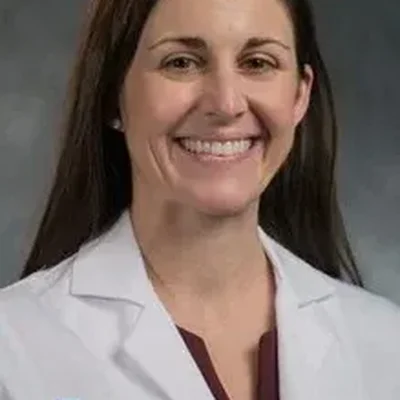
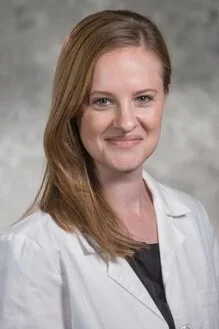
Eleven clinicians are listed with the center: reproductive endocrinologists, two clinical psychologists, two physician assistants, and a gynecologist who also runs an adolescent practice at Duke Children’s. That mix decides who you see for what — the physician assistants and psychologists are part of routine care, not escalations.
Local Legal Framework
North Carolina permits IVF, ICSI, PGT, egg donation and sperm donation in clinical practice, and Duke runs programs in each of those areas. What the state does not have is a single comprehensive assisted reproduction statute covering the questions patients actually ask — who is the legal parent of a donor-conceived child, what happens to stored embryos when a relationship ends, how a gestational carrier agreement is enforced. Those get answered by contract and by court order, which is why Duke’s program documentation points patients toward reproductive-law attorneys.
Donor gametes. Egg and sperm donation are legal and actively performed here. Duke’s materials state the practical rule that an egg donor relinquishes parental rights, and the clinic’s own donor program is built around that: screening, a written agreement, and three explicit openness options for donors — fully anonymous, identity released to a donor-conceived adult at 18, or identity released immediately. Those openness options are Duke program policy rather than a state legal category, so what you sign at matching is what governs. Intended parents should have parentage documented through a North Carolina court process before a pregnancy, not after one.
Gestational carriers and LGBTQ+ families. Third-party reproduction is available at Duke: donor insemination and IVF for female partners, reciprocal IVF where one partner provides the eggs and the other carries, donor egg with a gestational carrier for male partners, and egg or sperm freezing before gender-affirming treatment for transgender patients. Duke’s program describes North Carolina as workable for surrogacy and offers patients legal support and reproductive-law attorney resources — take that step before a cycle starts, because parentage for a child born to a gestational carrier has to be established through the courts. The Human Rights Campaign Foundation’s LGBTQ+ Healthcare Equality Leader designation is held by Duke University Hospital, Duke Regional Hospital and Duke Raleigh Hospital.
Embryos and stored specimens. Duke publishes a written policy on the safety, storage and termination of stored specimens. Freezing and vitrification happen at the clinic; long-term storage does not — samples move to a dedicated off-site facility, with continuous monitoring of liquid nitrogen and storage-room temperature and RI Witness RFID tracking at every handoff. Two consequences for you. Read the storage, disposition and termination terms before you sign, since the holding arrangement involves a facility the clinic does not operate. And because neither North Carolina’s materials here nor Duke’s patient pages spell out how a stored-embryo dispute is settled after divorce, separation or the death of a partner, the disposition consent you complete when the embryos are created is the document most likely to govern. Fill it out deliberately, and revise it when your circumstances change.
Insurance. Duke contracts with most major insurers and verifies your benefits before treatment begins, and the center states plainly that Medicaid does not cover fertility services. Nothing in Duke’s patient-facing materials describes a state-level coverage guarantee, which is why the pre-visit benefits check — and an employer Progyny fertility supplement, which the center accepts — carry so much weight here. If coverage is the reason you are comparing clinics across state lines, get the authorization or the denial in writing.
Location
- Address: 5601 Arringdon Park Dr, Suite 210, Morrisville, NC 27560
- Phone: (919) 572-4673