'%20transform='translate(88%20-32)'%3e%3cpath%20fill='%23fff'%20d='M-128%2032h720v480h-720z'/%3e%3ccircle%20cx='523.1'%20cy='344.1'%20r='194.9'%20fill='%23bc002d'%20transform='translate(-168.4%208.6)scale(.76554)'/%3e%3c/g%3e%3c/svg%3e)
Kiba Park Reproductive Center — JISART-Accredited IVF Clinic in Tokyo
About Kiba Park Reproductive Center
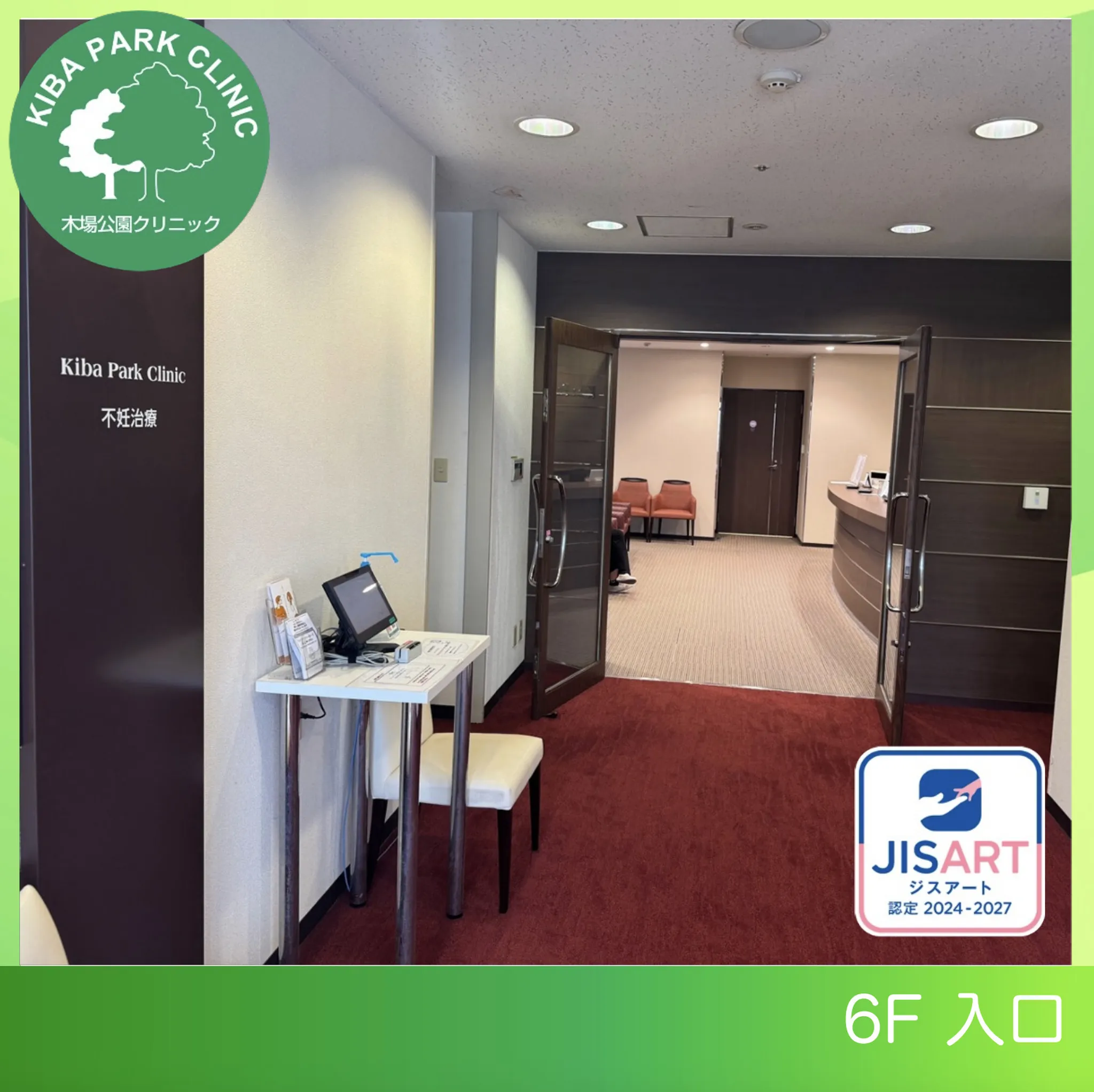
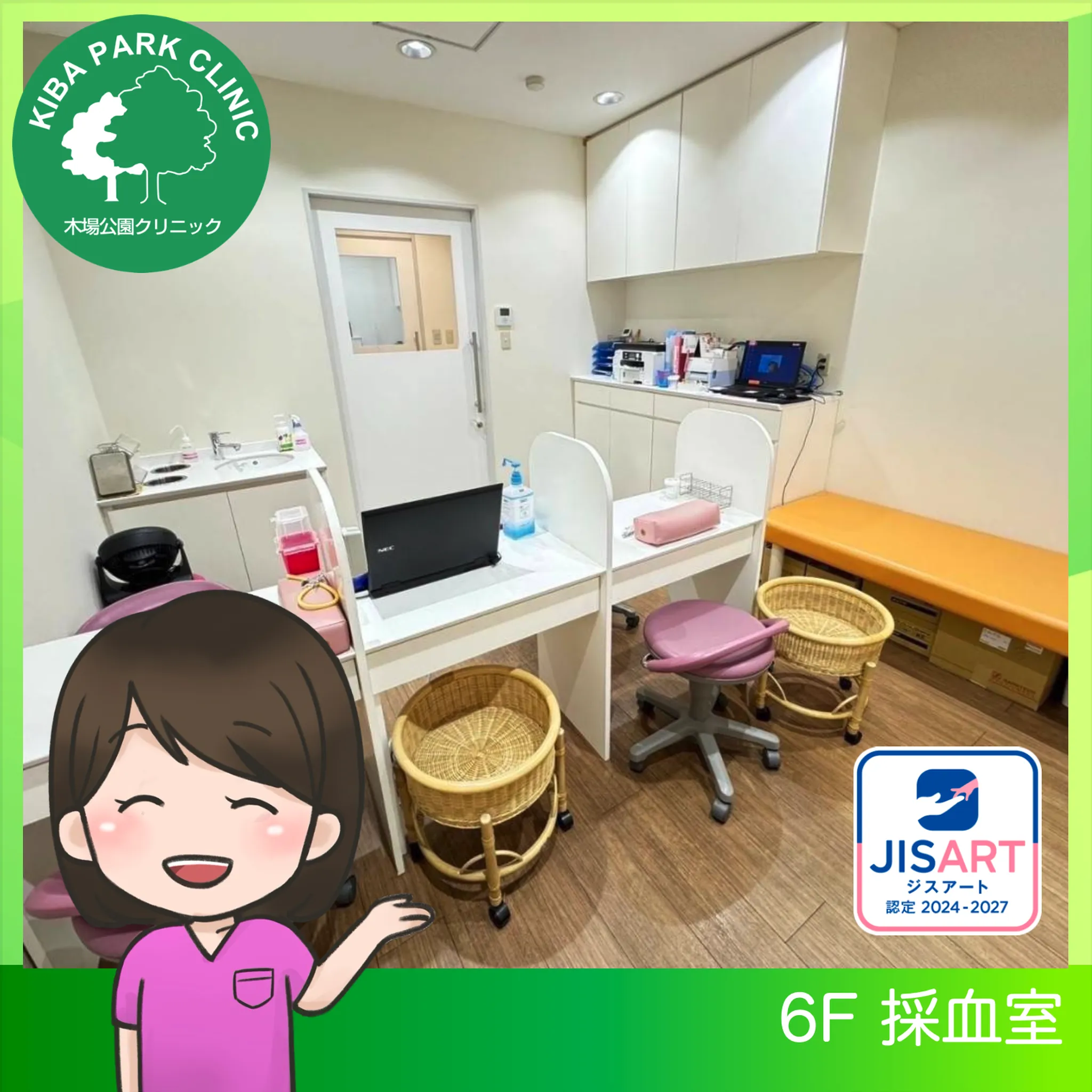
Kiba Park Reproductive Center (operating as Kiba Park Clinic) was founded in 1999 by Chairman and Director Atsumi Yoshida and occupies floors 5-7 of the Kamei Building, a two-minute walk from Kiba Station in Tokyo’s Koto district (source: clinic official website).
It is one of only five clinics in Tokyo accredited by JISART, Japan’s standardization body for assisted reproductive technology (source: clinic official website). The clinic treats both female and male infertility in the same facility — a model its founder pioneered in Japan, built on the principle that “infertility is a couple’s condition.” Citing Japanese epidemiological data, the clinic notes that about 41% of infertility cases are attributable to the female partner only, 24% to the male partner only, 24% to both partners, and 11% remain unexplained (source: clinic official website, chairman’s message).
The clinic has pursued world-level ART for more than 25 years and reports a 60.3% clinical pregnancy rate (hCG positive) for frozen-thawed single good-quality blastocyst transfer in patients under 40 with no more than two transfers, based on its own data from November 2023 to February 2025 (source: clinic official website). Cumulative published volumes from August 2001 to December 2024 include 13,259 IVF/ICSI embryo transfer cycles (4,821 in patients aged 40 and over) and 13,708 frozen-thawed blastocyst transfers by rapid vitrification (3,459 in patients aged 40 and over) (source: clinic success-rate page).
Accreditations & Awards
- JISART accreditation — one of only five fertility clinics in Tokyo accredited by Japan’s standardization body for assisted reproductive technology (source: clinic official website)
- More than 25 years of continuous ART practice since 1999, with outcomes published on the clinic’s own website and official LINE channel
- Japan Society for Infertility Prize (1997) — awarded to Director Atsumi Yoshida for research linking congenital bilateral absence of the vas deferens with the deltaF508 cystic fibrosis mutation (source: clinic doctor introduction page)
- High individual surgical volume — Director Yoshida has personally performed 16,113 egg retrievals, 22,886 embryo transfers and 1,079 testicular sperm aspirations (Jan 1999 - Dec 2022, source: clinic doctor introduction page)
Why Choose Kiba Park Reproductive Center
- JISART-accredited quality standards: accreditation covers laboratory standardization, record keeping and outcome reporting — only five clinics in Tokyo hold it (source: clinic official website)
- Both partners seen together: one of the few clinics in Japan where reproductive specialists examine and treat female and male infertility under one roof, including TESE for severe male factor
- Transparent, self-published data: pregnancy rates and cumulative cycle volumes are published on the clinic’s website rather than left to third-party estimates
- Advanced embryology laboratory: high-magnification microscope system, time-lapse incubators, AI-assisted embryo evaluation and a 24-hour culture-environment monitoring system (Embryo ICU), with every procedure verified by two or more embryologists and embryo photos given to every patient (source: clinic embryology team page)
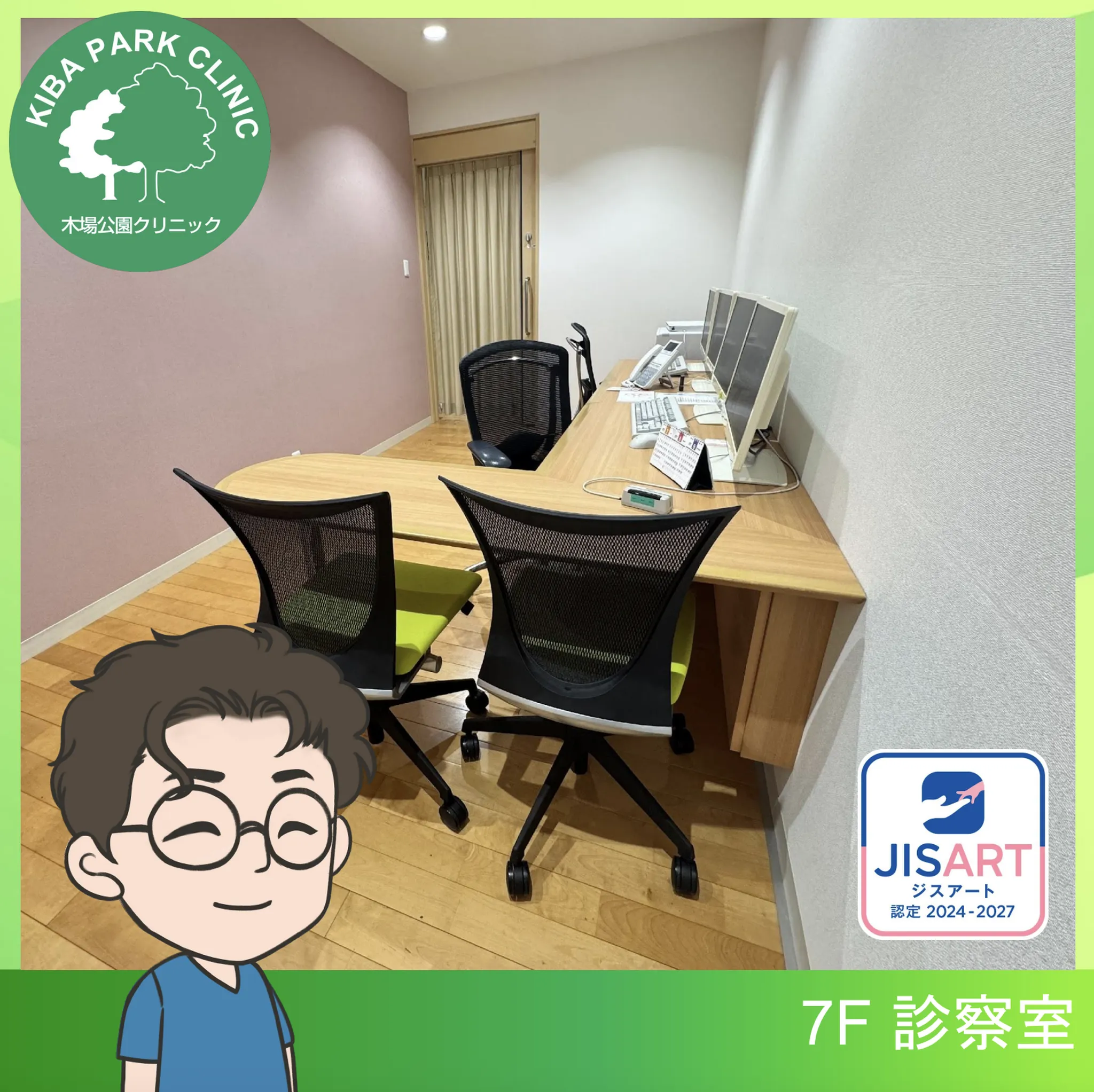
- Japan’s first parent-and-child treatment floor: a dedicated floor on the 7th level lets patients bring children to fertility appointments — a first for Japanese fertility clinics (source: clinic official website)
- Work-life-balance scheduling: evening ART clinic slots until 18:30 on Tuesdays and Thursdays, plus Saturday morning sessions (source: clinic official website)
- Personalized stimulation with real-time hormone management: a dedicated hormone-coordinator team measures and charts each patient’s hormone levels on the clinic’s own real-time sheets, adjusting ovarian stimulation individually (source: clinic staff introduction page)
- Sister clinic in Tsukuba: the group also operates Tsukuba Kiba Park Clinic in Ibaraki Prefecture
IVF & Fertility Services
Services listed on the clinic’s official website:
- In Vitro Fertilization (IVF) — with individualized ovarian stimulation protocols and real-time follicle monitoring
- ICSI (intracytoplasmic sperm injection) — for male factor infertility including low count, poor motility and abnormal morphology
- PGT-A (preimplantation genetic testing for aneuploidy) — chromosome screening of embryos before transfer (self-pay in Japan)
- IUI (intrauterine insemination) — as a step-up from timed intercourse
- Timed intercourse therapy — monitored natural attempts first
- Egg freezing (unfertilized oocyte vitrification) — with eligibility for a Tokyo egg-freezing subsidy program
- Frozen-thawed embryo transfer — using rapid vitrification, the clinic’s highest-performing program (60.3% under age 40, see above)
- Male infertility treatment — including testicular sperm extraction/aspiration (TESE)
- Infertility counseling — psychological support throughout treatment, provided by dedicated nurses trained in infertility counseling
- Detailed fetal ultrasound, preconception care and gynecological check-ups, and cervical cancer screening
Fees & Packages
Japan’s national health insurance covers core infertility procedures for eligible insured patients, with self-pay (out-of-pocket) amounts applying to non-covered items such as PGT-A. The figures below are the clinic’s published self-pay reference ranges as recorded in our ProIVF database; USD converted at approximately 150 JPY = 1 USD and is indicative only:
| Item | JPY | ~USD |
|---|---|---|
| Total treatment range (full ART program) | 500,000 - 2,000,000 | ~$3,300 - $13,300 |
| Consultation | 5,000 - 10,000 | ~$33 - $67 |
| IVF cycle | 500,000 - 800,000 | ~$3,300 - $5,300 |
| Medication | 100,000 - 300,000 | ~$670 - $2,000 |
| PGT-A | 200,000 - 400,000 | ~$1,300 - $2,700 |
| Frozen embryo transfer | 100,000 - 200,000 | ~$670 - $1,300 |
Important billing notes (source: clinic official website):
- Cash payment only — the clinic does not accept credit cards, so plan to bring sufficient cash to each visit
- Tokyo Metropolis infertility treatment subsidy and an egg-freezing subsidy program can offset costs for eligible residents
- Exact costs are quoted individually after the first consultation depending on protocol, medication response and elective add-ons
Patient Journey
Reconstructed from the clinic’s official scheduling, staff-introduction and treatment pages:
- Book a first visit — appointments run 8:30-12:00 and 13:30-16:30 on weekdays (until 18:30 for ART clinic on Tue/Thu; 8:30-13:30 Saturday; 8:30-12:00 on public holidays). A cycle day 2-5 morning slot is best for baseline testing
- Couple-based evaluation — because the clinic treats infertility as a couple’s condition, both partners are assessed; hormone panel, ultrasound follicle baseline and semen analysis are arranged through the nursing/coordination team
- Personalized stimulation plan — the attending physician selects the stimulation intensity for the individual ovarian-response profile, while hormone coordinators measure each blood sample and track values on the clinic’s real-time hormone sheets, reporting changes to the physician immediately
- Monitoring and trigger — scan and blood visits are synchronized so dosing and trigger timing follow your actual response rather than a fixed protocol
- Retrieval and laboratory work — eggs are collected and fertilized by IVF or ICSI in the JISART-standardized lab; patients can watch their embryos on a monitor during retrieval and transfer, and receive photos of all their embryos. PGT-A biopsy is available at the blastocyst stage on request (self-pay)
- Transfer and luteal support — single good-quality blastocyst transfer is the clinic’s default; frozen-thawed cycles use rapid vitrification
- Pregnancy test and counseling support — hCG pregnancy confirmation about two weeks after transfer, with infertility counseling nurses available throughout for the psychological side of treatment
Local Legal Framework
Japan permits IVF, ICSI and PGT-A for clinical use under the ethics guidelines of the Japan Society of Obstetrics and Gynecology (JSOG). Commercial surrogacy is prohibited, and egg donation is banned for JSOG member clinics, so donor-egg programs are not available domestically. PGT-A is legal but self-pay, i.e. not reimbursed by national health insurance. Since April 2022, core ART procedures (IUI, IVF/ICSI, retrieval, transfer, freezing) are covered by national health insurance for eligible insured patients, subject to age-based limits on insured cycles. Japanese law does not assign embryos explicit legal personhood, and same-sex couples are not eligible for the insurance pathway because it requires a legally recognized marital relationship.
Location & Access
Kiba Park Reproductive Center (Kiba Park Clinic) Kamei Building Floors 5-7, 2-17-13 Kiba, Koto-ku, Tokyo 135-0042, Japan Phone: +81 3-5245-4122
- By train — about a 2-minute walk from Kiba Station on the Tokyo Metro Tozai Line; the clinic sits beside Kiba Park, one of Tokyo’s largest waterfront parks
- Consultation hours — Mon/Wed/Fri 8:30-12:00 and 13:30-16:30; Tue/Thu 8:30-12:00 and 13:30-16:30 with ART clinic extended to 18:30; Sat 8:30-13:30; public holidays 8:30-12:00; closed Sunday (source: clinic official website)
- Payment — cash only
- The 7th floor includes the dedicated parent-and-child treatment floor for patients bringing children to appointments