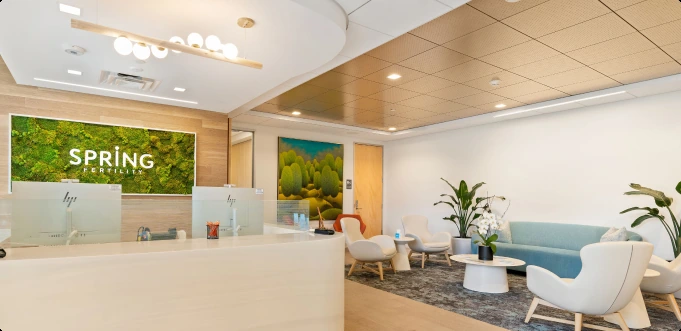
About Spring Fertility SOMA
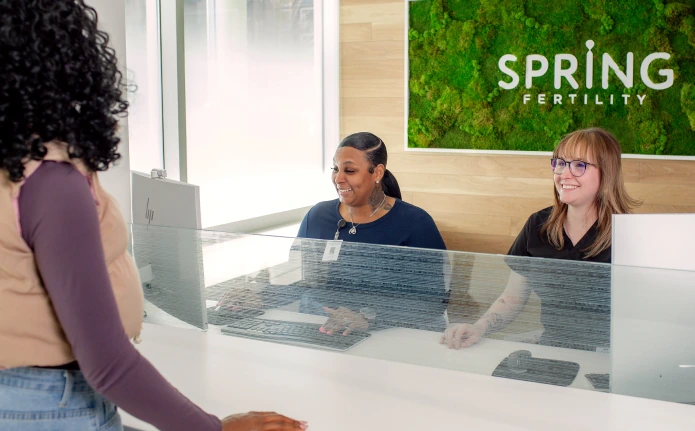
Spring Fertility SOMA is the downtown San Francisco office of Spring Fertility, a reproductive endocrinology practice founded in the city in 2016. The clinic sits inside the Salesforce Transit Center at 425 Mission Street, Suite 222, with its entrance off Beale Street between Mission and Howard - a practical choice for patients whose monitoring schedule has to fit around a workday in the Financial District or a Caltrain commute.
SOMA’s role in the network is the appointment side of treatment: initial consultations, fertility testing, stimulation monitoring, blood work and medication follow-ups. It has no embryology lab or procedure suite of its own. When a cycle reaches egg retrieval or embryo transfer, care moves to the Pacific Heights clinic at 1 Daniel Burnham Court, where Spring’s CAP-accredited laboratory is based. The two San Francisco offices run as one program - the same physicians, the same chart, the same care team - so nothing restarts when treatment progresses from monitoring to procedure.
One scope note before the numbers. SART registers Spring Fertility as a single reporting unit (ClinicPKID 2000045) and does not break outcomes down by office, so the success-rate figures on this page describe the Spring network as a whole, not SOMA measured separately.
Accreditations & Awards
- SART-registered network filing cycles and outcomes to SART CORS as one unit (ClinicPKID 2000045), the database the CDC uses to publish ART statistics
- CAP-accredited laboratory at the Pacific Heights clinic, where SOMA patients’ retrievals, cultures and transfers take place
- SART 2023 Final, live birth per frozen PGT-A blastocyst transfer (network figures): 65.7% under 35, 61.8% at 35-37, 52.3% at 38-40 - each above the SART national summary numbers of 53.2%, 39.9% and 26.2% for the same year
- Network volume: 1,012 fresh non-donor cycles started in 2023 across Spring’s reporting unit
The caveat that matters: these are network-level results from a single SART registration covering several offices, and they come from frozen PGT-A transfers - embryos that already reached blastocyst and passed chromosome screening. National summary rates are not filtered the same way, so the gap is real but not an apples-to-apples spread.
Why Choose Spring Fertility SOMA
- Monitoring without the commute to the hill. IVF cycles are appointment-heavy in the middle: serial blood draws and ultrasounds every few days during stimulation. SOMA puts that phase in downtown San Francisco instead of requiring trips to Pacific Heights several mornings a week.
- One program, one team. Spring states plainly that the two San Francisco clinics run as a single program. The specialist who consults and monitors you at SOMA stays with your case after care moves to Pacific Heights for a procedure - no re-intake, no repeated workup, no change of physician mid-cycle. Dr. Kelly McCarter and Dr. Brett Stark both list SOMA as a primary office, holding consultations and monitoring downtown while their retrievals and transfers run at headquarters.
- The Circle of Care model. Each patient works with one lead physician plus a patient navigator (visit scheduling), a financial navigator (insurance and payment questions), and a nurse, reachable through Spring’s patient app.
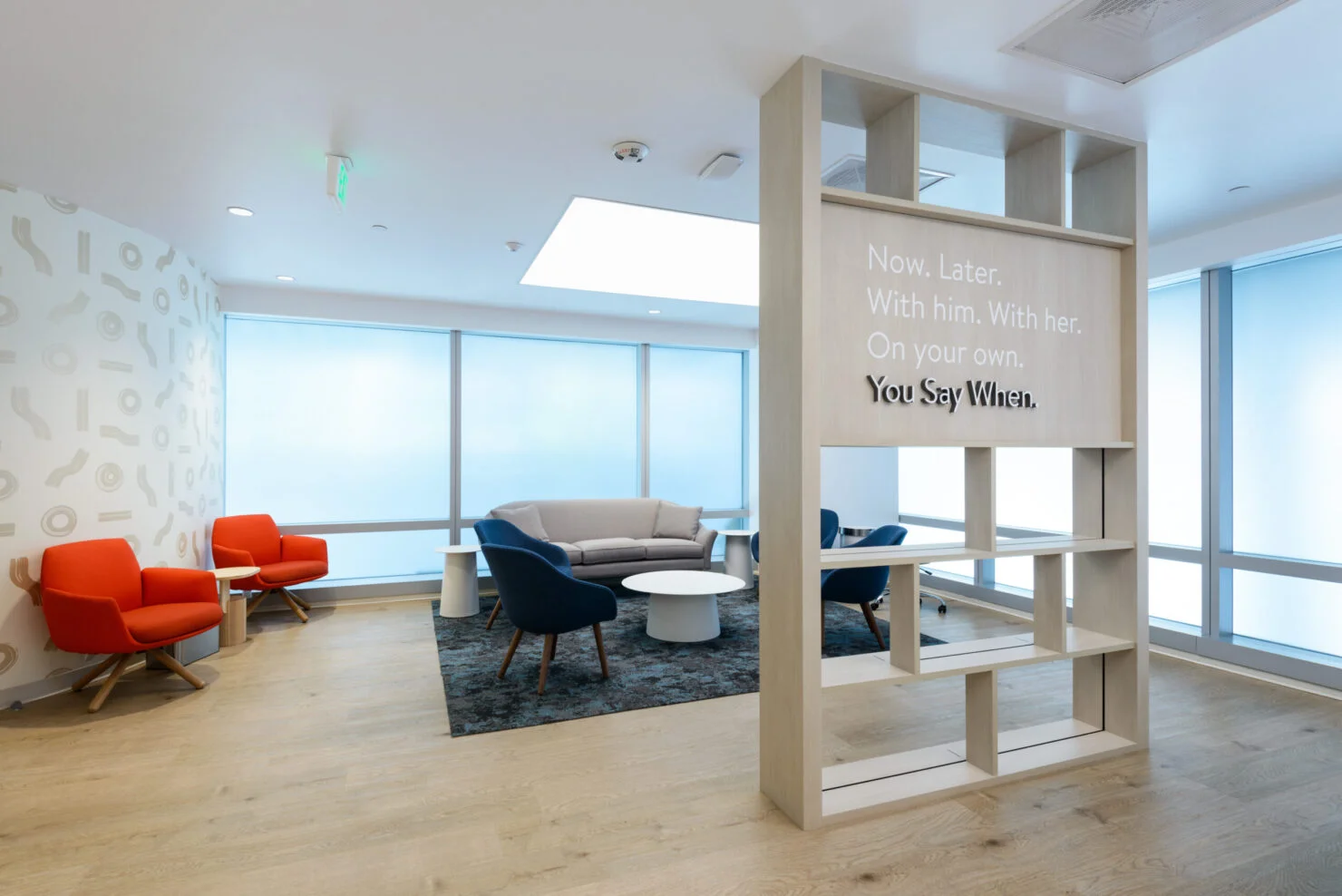
- A setting built for transit. The clinic occupies the 2nd floor of the Salesforce Transit Center; the orange elevators from the Beale Street entrance take you up. Wheelchair accessible.
- Early weekdays, no weekends. Listed hours are 07:30-16:00 Monday through Friday, earlier on the close-out than Pacific Heights and closed on weekends. If only evenings or Saturdays work for you, ask at the consult how scans are handled outside that window.
IVF & Fertility Services
SOMA provides the consult and monitoring side of Spring’s full service list; procedures are completed at Pacific Heights within the same program.
- Consultation and fertility testing - hormone panels including AMH, baseline ultrasound with antral follicle counting, and semen analysis
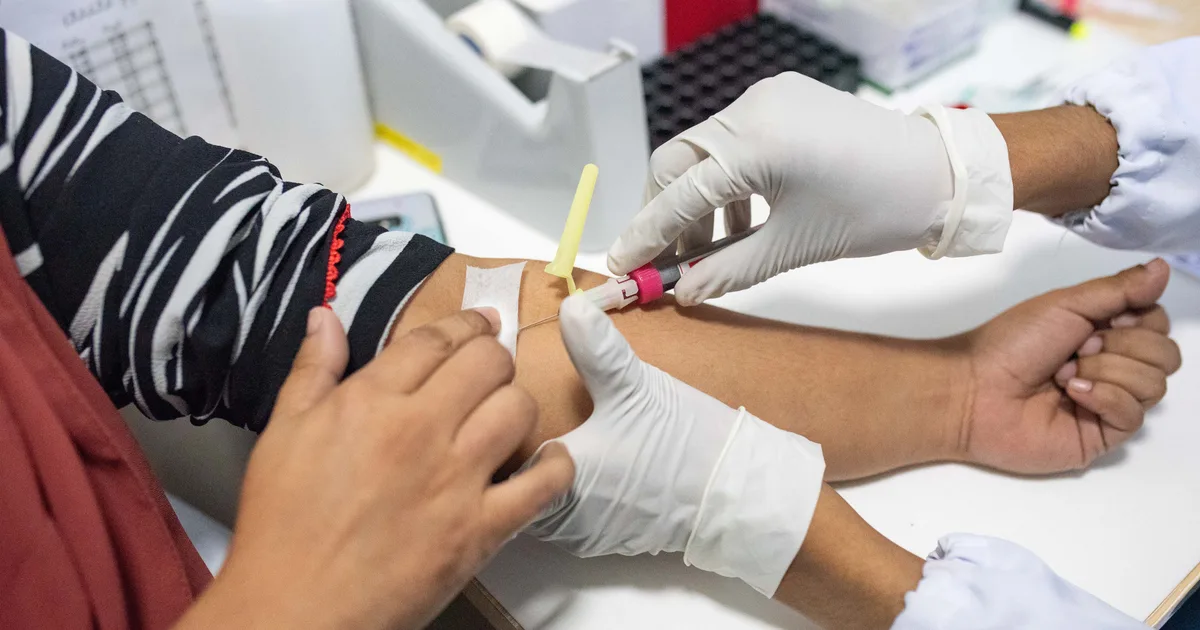
- Stimulation monitoring - serial blood work and ultrasounds during IVF and IUI cycles, done downtown
- IUI - commonly the first-line treatment where Spring’s own materials pair it with IVF as the “start a family now” path
- Egg freezing and embryo banking - the practice’s headline service; retrievals run at Pacific Heights
- IVF - personalized stimulation protocols with retrieval, culture and transfer at the Pacific Heights lab and procedure suite
- PGT-A screening with genetic counseling - pre-test and post-test counseling handled within the network’s counselor group
- Donor eggs, donor sperm and gestational carriers - coordinated through the network’s donor resources
- LGBTQ+ family building - a stated clinical focus across the San Francisco physician group
- Mental health support - reproductive health psychologists practicing within the network
Fees & Packages
There is no published price list at SOMA or anywhere in the Spring network - cost is handled through a financial conversation, not a menu. Every patient is assigned a financial navigator who verifies benefits and lays out payment options at the planning stage. Documented payment tools: PatientFi financing, which Spring states can cover any portion of a cycle including medications, and HSA/FSA funds, which apply toward care. Ask for three numbers before starting a cycle: the monitoring-and-retrieval package, the medication estimate after a pharmacy quote, and annual egg and embryo storage fees, which continue whether or not you use them.
California requires most insured plans to cover infertility diagnosis and treatment including IVF, with exemptions for self-funded employer plans and religious employers; self-funded plans fall under ERISA and outside that mandate.
Patient Journey
- Consult at SOMA or by video - a specialist reviews your health and fertility history and sets the goal: conceive now, preserve eggs or embryos, or build a family with donor gametes or a gestational carrier.
- Workup downtown - ovarian reserve and hormone testing, baseline ultrasound, and partner testing, all completed at the Mission Street office.
- Plan plus cost estimate - the physician proposes the treatment path while the financial navigator runs insurance verification and payment planning at the same time.
- Stimulation and monitoring at SOMA - injectable medication with serial blood draws and ultrasounds inside the 07:30-16:00 weekday window, at the address closest to your work or transit line.
- Procedure at Pacific Heights - retrieval, embryo culture, PGT-A biopsy where elected, and transfer happen at the headquarters lab; the same physician and nursing team follow the case across offices.
- Pregnancy test and after - beta hCG blood testing on schedule, then obstetric referral.
Local Legal Framework
SOMA operates under California’s ART law, identical to the rest of the Spring network in the state.
- Egg and sperm donation is legal and active, performed under written donor agreements; compensation for time and risk is permitted, and identity-release terms are set in the donor contract rather than by statute.
- Gestational surrogacy - compensated gestational carrier agreements are enforceable under the California Family Code (Section 7600 et seq.), and pre-birth parentage orders are routine.
- PGT-A and PGT-M face no state restriction beyond standard informed consent.
- LGBTQ+ parentage established through ART - including donor gametes and gestational carriers - is recognized in California.
- Federal layer - gamete donation follows FDA human cell and tissue eligibility screening rules and ASRM guidance, the same baseline every Spring office works to.
Location
- Address: 425 Mission Street, Suite 222, San Francisco, CA 94105 (inside the Salesforce Transit Center)
- Entrance: Beale Street, between Mission and Howard; orange elevators to the 2nd floor. For GPS, 122 Beale Street routes closer to the right door.
- Phone: +1 415-964-5618
- Hours: Monday - Friday 07:30 - 16:00; closed Saturday and Sunday
- Procedure site: Spring Fertility Pacific Heights, 1 Daniel Burnham Court, Suite 110C, San Francisco, CA 94109 - retrievals, embryo culture and transfers for SOMA patients