'%20d='m0%200%2016%2011h61%2061%2061%2061%2060L47%2037h61%2061%2060%2061L16%2063h61%2061%2061%2061%2060L47%2089h61%2061%2060%2061L16%20115h61%2061%2061%2061%2060L47%20141h61%2061%2060%2061L16%20166h61%2061%2061%2061%2060L47%20192h61%2061%2060%2061L16%20218h61%2061%2061%2061%2060z'/%3e%3c/svg%3e)


About Spring Fertility
Spring Fertility started in 2016 in San Francisco and in 2026 marks its tenth year of practice. It now has clinics across the Bay Area (Pacific Heights, SOMA, Oakland, Redwood City, Sunnyvale, Danville), in New York City and on Long Island, and in Portland, Oregon, with a Denver office announced as coming soon. This page covers the Pacific Heights headquarters at 1 Daniel Burnham Court, where the embryology lab leadership is based and where several of the physicians profiled here hold clinic.
The practice is egg-freezing-forward. Its homepage splits patient goals into two tracks — starting a family now through IVF or IUI, and planning ahead through egg and embryo freezing — and fertility preservation is the named clinical interest of most physicians on the San Francisco staff. Services listed for patients: IVF and IUI, egg freezing, embryo freezing, egg donation, donor sperm, gestational carriers, LGBTQ+ care, genetic counseling, and in-network mental health support.
Two facts worth putting on the table before the numbers. First, SART registers Spring as a single reporting unit (ClinicPKID 2000045, medical director Monica Pasternak, MD). Cycle data below describes that reporting unit; SART does not break it out by office, so nothing here should be read as a New York or Portland outcome figure. Second, Spring publishes no price list, so cost questions are handled in a financial conversation rather than from a menu.
Accreditations & Awards
- SART-registered clinic filing cycles and outcomes to SART CORS (ClinicPKID 2000045), the database the CDC uses to publish ART statistics
- CAP-accredited laboratory, as recorded in the SART clinic registration — the accreditation that governs embryology lab standards
- Newsweek, America’s Best Fertility Clinics 2026: ranked No. 45
- SART 2023 Final, live birth per frozen PGT-A blastocyst transfer: 65.7% under 35 (134 transfers), 61.8% at 35-37 (241), 52.3% at 38-40 (222), 53.6% at 41-42 (69), 57.6% over 42 (33)
- Volume: 1,012 fresh non-donor cycles started in 2023
- Spring Together Foundation: the practice donates to the Mama Rescue maternal-health program in East Africa for each pregnancy it reaches, a program it runs with Babies and Mothers Alive
On the comparison the ranking pages love to make: Spring’s under-35 figure of 65.7% sits above the SART 2023 national summary number of 53.2%, and 38-40 (52.3%) sits far above 26.2%. Read the denominators before drawing a conclusion. Spring’s figures come from SART’s frozen PGT-A blastocyst report, meaning live birth per transfer of embryos that already survived to blastocyst and passed chromosome screening. National summary rates are not filtered the same way, and the 41-42 and over-42 rows rest on 69 and 33 transfers — small enough that year-to-year swings are noise. A 2024 preliminary report is now on SART CORS but is not final; the figures above are the 2023 final set.
Why Choose Spring Fertility
- One physician plus three navigators. Spring’s “Circle of Care” assigns a dedicated physician, a patient navigator who runs the visit schedule, a financial navigator who works insurance and payment questions, and a nurse, with app messaging back to the team. That is the operational promise, and it is the reason the missing price list matters less than it would at a clinic with no financial staff.
- Preservation specialists, including for transgender patients. Fertility preservation is a stated clinical focus across the San Francisco physician group. Dr. Brett Stark published 2022 work on freezing eggs or sperm in transgender men without stopping testosterone — a protocol question that decides whether an athlete or a patient on hormones can preserve before transition steps.
- Psychologists and genetic counselors in the same network. Two reproductive health psychologists (Dr. Julia Conant, Dr. Shelby Alsup) and four genetic counselors (Caroline McCrae, Mary Carney, Maggy Kepler, Megan Bettencourt, all MSc) practice with the group, rather than being referred out.
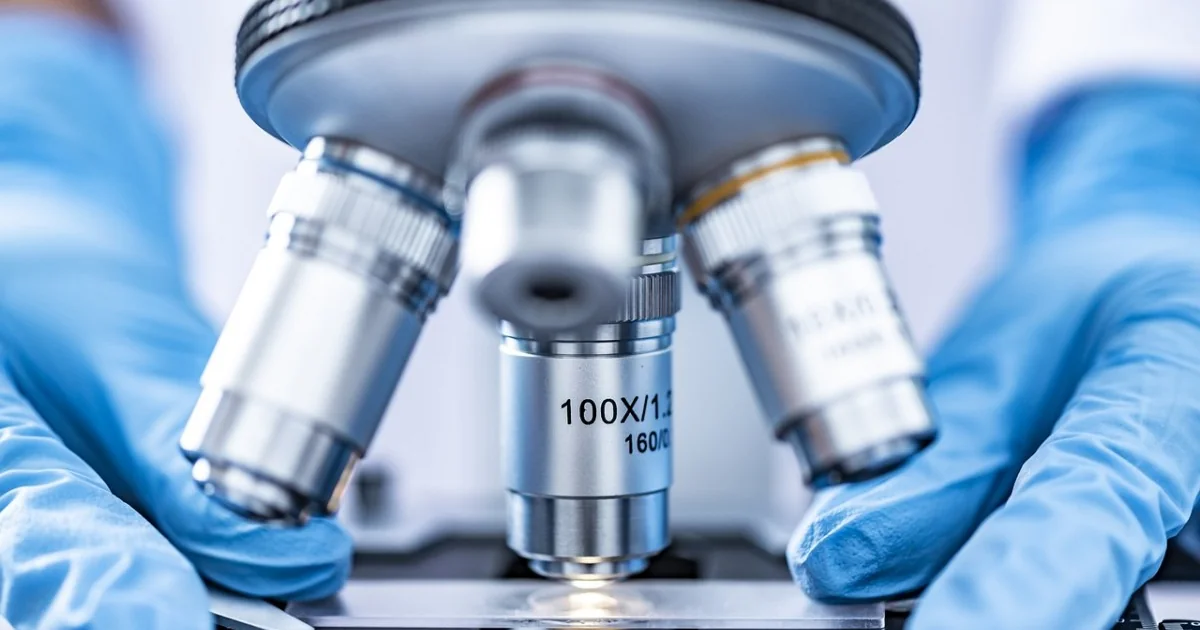
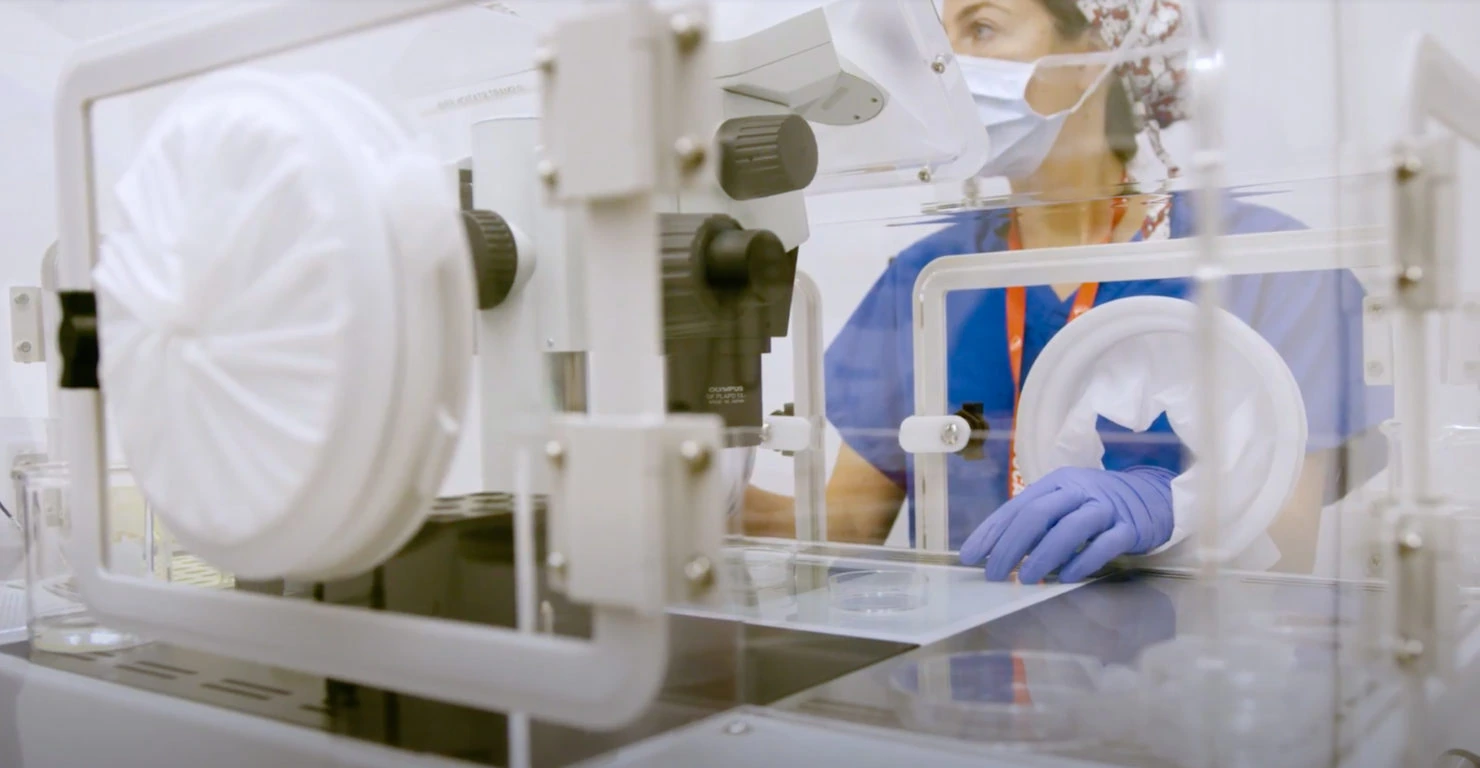
- An embryology bench with a named chain of command. Sergio Vaccari is IVF Lab Director; Simona Torcia directs embryology training; five lab supervisors are listed. Dr. Julia Kim holds a Technical Supervisor in Embryology credential in addition to her clinical boards, which is unusual on a physician roster.
- Six Bay Area offices plus New York and Portland, with providers listed by office so monitoring can happen near home rather than at one address.
- Early-weekday monitoring, no weekend clinic. Listed hours are 07:30-17:00 Monday through Friday, closed Saturday and Sunday. If your job only frees up evenings or weekends, ask directly how scan appointments are handled outside that window.
IVF & Fertility Services
- IVF: stimulation, monitoring by blood work and ultrasound, transvaginal retrieval, embryo culture, and transfer; PGT-A embryo screening is offered as a standard part of the discussion
- IUI: commonly the first-line treatment where Spring’s own marketing pairs it with IVF as the “start a family now” path
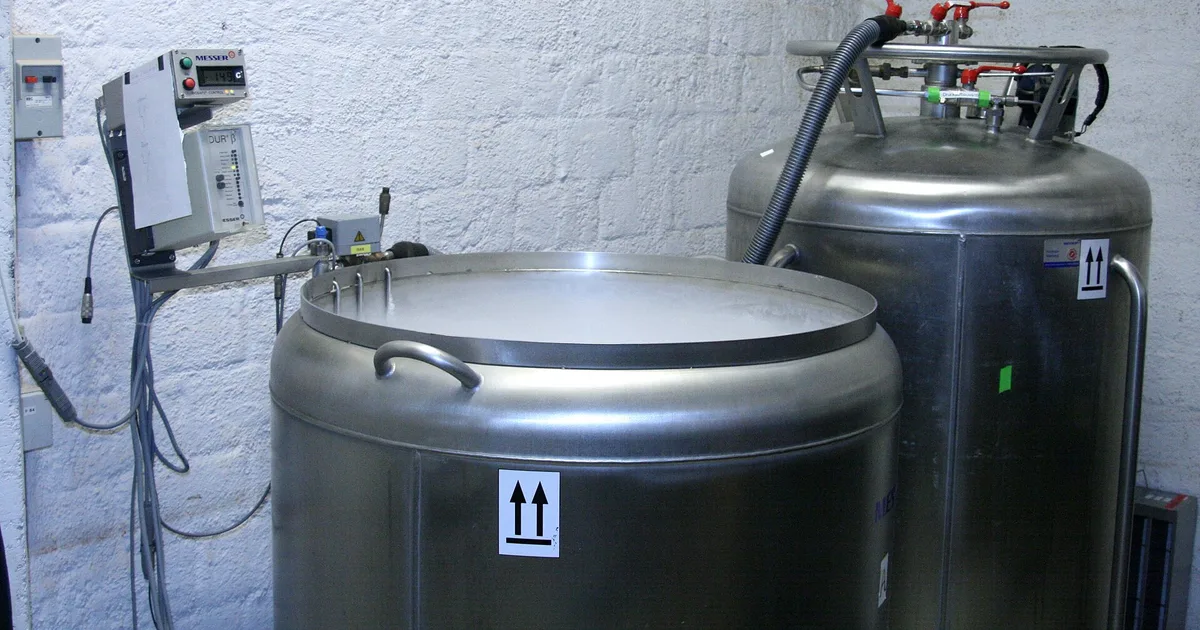
- Egg freezing and embryo banking: the practice’s headline service, with virtual info sessions and periodic free AMH testing events
- Donor eggs and donor sperm: offered as named services; the practice does not publish which banks or donor programs it contracts with, so ask for those specifics in writing
- Gestational carriers: listed as a service line, with legal counsel arranged separately in each state
- LGBTQ+ family building: named on the homepage as a service, and a stated clinical focus for several San Francisco physicians
- Genetic counseling: pre-test and post-test counseling with the counselor group listed above
- Mental health services: reproductive health psychologists available inside the practice
- Fertility testing and consultation: AMH testing, hormone panels and ultrasound assessment through the consult pathway
Protocol-level detail is thin on the public pages. Spring’s site does not state ICSI rates, time-lapse culture (for example EmbryoScope), vitrification method, day-5 versus day-3 transfer policy, or a single embryo transfer policy. Those are the questions to bring to the consult, and a SART record or the lab director’s contact can answer most of them.
Fees & Packages
There is no published price list. Spring’s homepage says plainly that “finances should never get in the way of building your dream family” and points patients to a Financial Overview page, but no cycle fee, medication cost, PGT-A biopsy fee or storage fee is stated anywhere in the material behind this profile. Do not assume a bundle exists.
What is documented: every patient is assigned a financial navigator whose job is benefits verification and payment planning, and the practice runs low-cost entry points — virtual egg-freezing information sessions and free AMH testing events (one recent example was held in New York City). Ask for three numbers before starting: the monitoring-and-retrieval package, the medication estimate after your pharmacy quote, and annual embryo and egg storage fees, which continue whether or not you use them.
Coverage depends on your plan and your state. California requires most insured plans to cover infertility diagnosis and treatment including IVF, with exemptions for self-funded employer plans and religious employers; New York mandates infertility diagnosis and treatment coverage for most fully insured plans with cycle limits and similar exemptions. Self-funded plans are governed by ERISA and are outside both mandates.
Patient Journey
- Consult — in person at the office you choose, or by video. Goals set here: conceive now, preserve eggs or embryos, or build a family with donor gametes or a gestational carrier.
- Workup — ovarian reserve and hormone testing including AMH, ultrasound with antral follicle counting, semen analysis, and uterine cavity assessment where indicated. Genetic counseling is offered when carrier screening or PGT-M is relevant.
- Plan plus cost estimate — physician proposes the treatment path; the financial navigator runs insurance verification and lays out payment at the same time, since there is no posted price list to check against.
- Circle of Care activation — patient navigator books the visit calendar, nurse handles day-to-day questions, app messaging stays open to the team.
- Stimulation and monitoring — injectable medication with serial blood work and ultrasounds inside the 07:30-17:00 weekday window. Our source does not give the length of the monitoring window.
- Retrieval — transvaginal egg retrieval under sedation; embryos fertilized and cultured in the CAP-accredited lab, with PGT-A where elected.
- Transfer and testing — frozen embryo transfer is the route most of Spring’s published outcome data reflects; pregnancy blood test follows, then obstetric referral.
Local Legal Framework
California governs the flagship office; New York governs Spring’s Manhattan and Long Island offices. The differences are practical, not academic.
- Gestational surrogacy. California enforces compensated gestational carrier agreements under the Family Code (Section 7600 et seq.) and routinely issues pre-birth parentage orders. New York prohibited paid surrogacy contracts until the Child-Parent Security Act took effect in 2021; the law added Article 5-C to the New York Family Court Act, which sets requirements for gestational agreements — including independent legal counsel for the intended parents and for the carrier, and prescribed informed consent — and permits pre-birth orders. A California arrangement will not automatically transfer to a New York birth; have counsel in the state where the child will be born.
- Egg and sperm donation. Legal and active in both states. Compensation for time and risk is permitted. Donor identity release is a matter of the donor agreement and the bank’s policy, not an automatic right, and both states allow donor-conceived people to seek genetic information under the newer rules; ask what the donor signed before choosing an anonymous vial.
- Embryo disposition. Neither state treats frozen embryos as legal persons, unlike the 2024 Alabama ruling that briefly halted cycles there. Storage, transfer, donation and discard decisions are controlled by the consent forms you sign at creation — read them before the cycle, not at the freezer.
- PGT. No California or New York restriction on PGT-A or PGT-M beyond standard informed consent.
- LGBTQ+ parentage. Both states recognize parentage established through ART for same-sex couples and single parents, including through donor gametes and gestational carriers.
- Federal layer. Gamete donation is also subject to FDA human cell and tissue eligibility screening rules and to ASRM guidance on donor compensation and screening; clinics in both states follow the same federal baseline.
Location
- Address: 1 Daniel Burnham Court, Suite 110C, San Francisco, CA 94109
- Phone: +1 415-964-5618
- San Francisco - SOMA: 425 Mission Street, Suite 222, San Francisco, CA 94105 — +1 415-964-5618
- Oakland: 80 Grand Avenue, 3rd Floor, Oakland, CA 94612 — +1 415-964-5618
- Redwood City: 570 Price Avenue, Suite 200, Redwood City, CA 94063 — +1 415-964-5618
- Sunnyvale: 550 Lakeside Drive, Sunnyvale, CA 94085 — +1 415-964-5618