'%20d='m0%200%2016%2011h61%2061%2061%2061%2060L47%2037h61%2061%2060%2061L16%2063h61%2061%2061%2061%2060L47%2089h61%2061%2060%2061L16%20115h61%2061%2061%2061%2060L47%20141h61%2061%2060%2061L16%20166h61%2061%2061%2061%2060L47%20192h61%2061%2060%2061L16%20218h61%2061%2061%2061%2060z'/%3e%3c/svg%3e)



About Reproductive Partners Medical Group
Reproductive Partners Medical Group (RPMG) is a private reproductive endocrinology practice founded in Los Angeles in 1988. It runs three full-service campuses — Beverly Hills on Wilshire Boulevard, South Bay in Torrance, and Long Beach near Interstate 405 — and adds a monitoring-only site in Irvine through its affiliate Fertility Centers of Orange County, so an IVF cycle can start and finish at one of the three main offices while follicle scans happen closer to home. The Torrance clinic is 20 minutes from Los Angeles International Airport, Beverly Hills about 40, and the Irvine site five minutes from John Wayne Airport.
Size is this group’s strongest objective claim. SART’s 2023 final clinic report records 3,302 treatment cycles under RPMG’s registration (clinic ID 2254, filed as “Reproductive Partners - Beverly Hills, Long Beach & South Bay”), against a national per-clinic average near 932. It is a combined figure for the three campuses: SART does not publish the offices separately, and the Irvine monitoring site is not part of this registration. The report rate is 86.2% of retrieval starts, which means about one cycle in seven started in 2023 is not represented in the outcome table below. In 2021 RPMG joined Ivy Fertility, a company of 13 practices and 27 offices across 9 states — that network scale belongs to Ivy, not to Los Angeles, and nothing on this page credits network-wide results to this group.
Read the outcome numbers carefully, because two different measures are in circulation. The chart on this page carries SART’s 2023 final live birth per intended egg retrieval, counting all embryo transfers from a retrieval, for patients using their own eggs: 43.6% under 35 (259 cycles), 38.3% at 35-37 (303), 33.1% at 38-40 (357), 14.8% at 41-42 (230) and 6.4% over 42 (157); the 40-and-over column on this page is those last two bands weighted together at 11.4%. The same SART report splits fertilization outcomes by transfer number: live birth after the first (fresh) embryo transfer ran 33.2% under 35, 29.7% at 35-37 and 25.5% at 38-40, and after the second, thawed transfer 45.2%, 50.0% and 53.6%. Over 40, the thawed-transfer line is 0 of 5 cycles at 41-42 and 0 of 2 over 42 — a real result, not rounding, and a reason to discuss age expectations candidly with a physician.
The practice’s own patient-outcomes page publishes a different measure: 2022 CDC data for the percentage of transfers resulting in a singleton live birth delivery using the patient’s own eggs — RPMG 62.7% under 35, 51.3% at 35-37, 48.8% at 38-40 and 37.8% over 40, against national averages of 46.2%, 43.7%, 39.2% and 24.5%. On that measure RPMG sits above the country in every band. Both sets are honest reporting of different denominators. A per-transfer singleton figure will always look better than a per-intended-retrieval figure that counts cycles which never reached a transfer, and SART’s national comparison column carried alongside the clinic chart here is a per-transfer average, so do not treat the two bars as a like-for-like gap. Ask the clinic which denominator any quoted number uses, and pull the SART report for clinic 2254 yourself.
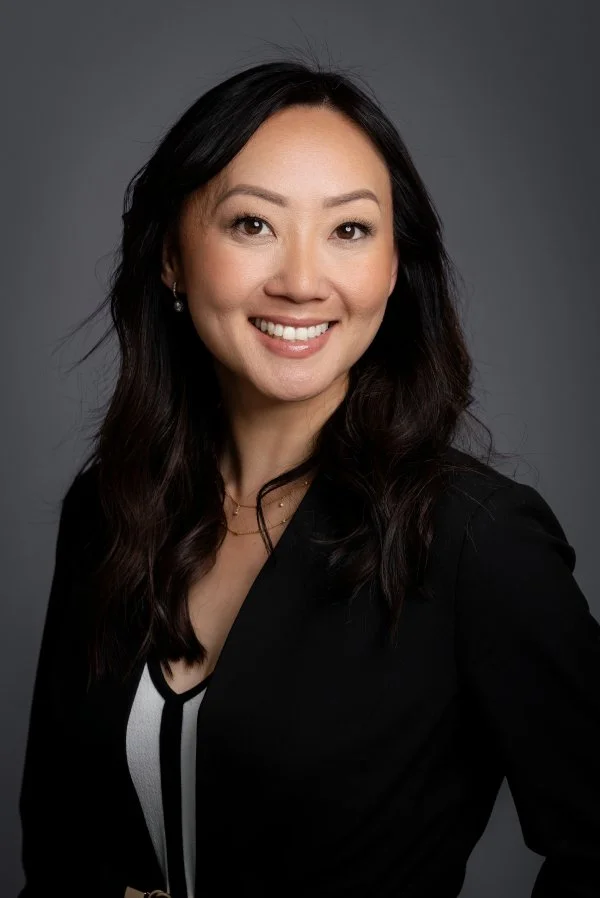
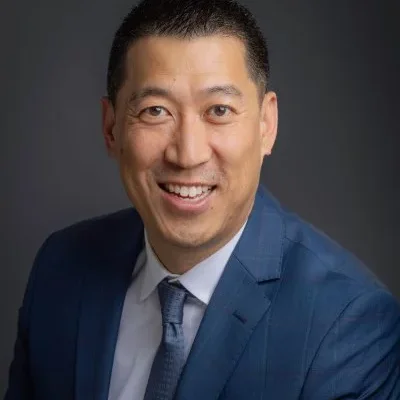
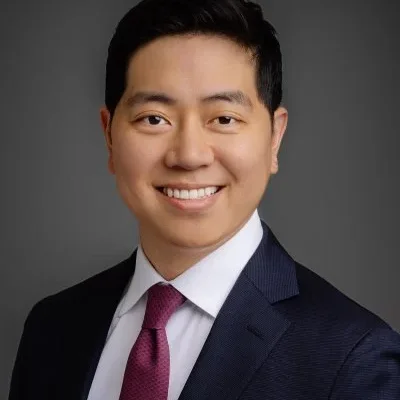
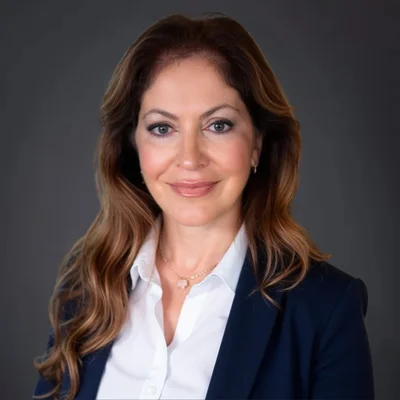
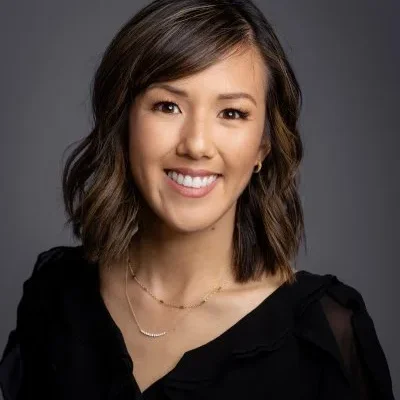
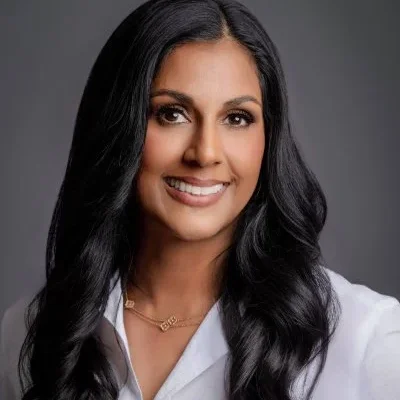
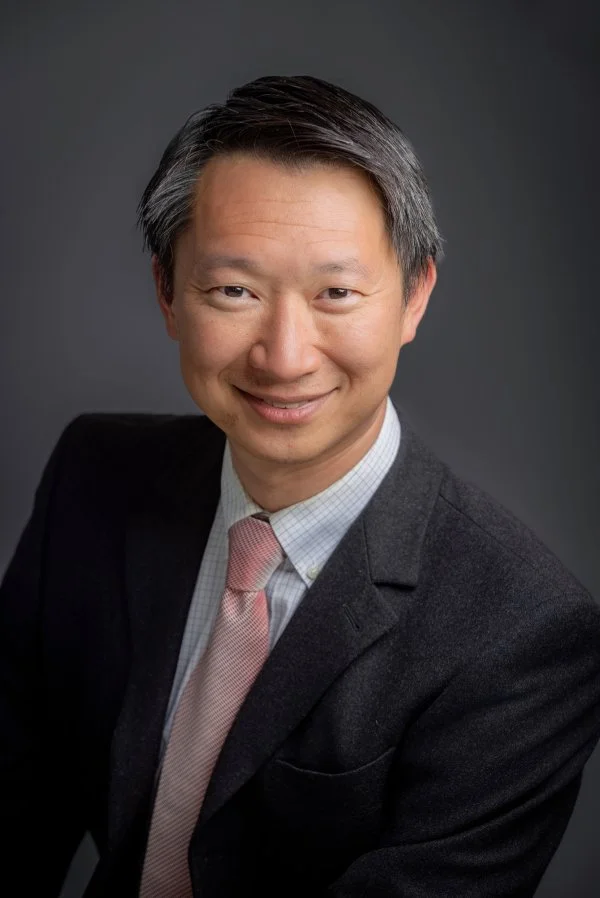
The group publishes its legacy in round numbers rather than audited ones: “over 10,000 healthy births” and “25,000+ patients” on its service pages, “over 35,000 eggs frozen” on the egg-freezing page. RPMG does not post a clinic-specific success-rate table of its own beyond the CDC comparison above, so SART and CDC reporting is the only independent check. Ten physicians are listed on the team page: eight practice at Beverly Hills, South Bay and Long Beach, and two (Drs. Wayne Lin and Amy Kaing) at the Irvine affiliate, where monitoring is the only service offered. The aggregate Google rating shown here is 4.2 across 102 ratings — a usable signal about scheduling and front-desk experience, far too small to rank clinical programs.
Accreditations & Awards
- CAP-accredited embryology laboratory, held for more than 30 years — the accreditation that governs how eggs, sperm and embryos are handled and stored, listed on the practice’s own registry record (“CAP Accredited”)
- SART member clinic #0004, member since 1988, reporting every cycle to SART and the CDC under clinic ID 2254; that reporting is why the age-band tables above exist publicly
- Volume: 3,302 cycles in the 2023 SART final report
- Newsweek “America’s Best Fertility Clinics” 2023-2026; the practice cites a ranking among the three best fertility clinics in California. This is a third-party ranking, and the clinic-level basis differs from the physician-level lists below
- Castle Connolly “Top Doctors” 2010-2026 and Los Angeles Magazine “Super Doctors” — physician-level honors attributed to individual doctors (Dr. Wambach in both for 2024, Dr. Chang as a Southern California Super Doctor since 2010, Dr. Amin in both, Dr. Ho a Los Angeles Magazine Top Doctor, Dr. Lin a US News “Best Doctor”)
- Laboratory direction by Mitchel C. Schiewe, M.S., Ph.D., an author or co-author on more than 40 peer-reviewed papers in ICSI, embryo development, cryopreservation, vitrification and laboratory quality
- Founding laboratory directors Dr. David Meldrum and Dr. Bill Yee, named by the practice as the lab’s original leadership
- Academic roles: physicians hold clinical faculty appointments at UCLA, UC San Diego and UC Irvine, and the practice states service on editorial and review boards of Fertility and Sterility and the Journal of Assisted Reproduction and Genetics; Dr. Amin is an Assistant Clinical Professor in Obstetrics and Gynecology at UC Irvine
- Medical director of record: Dr. Gayane Ambartsumyan is the medical director named on the SART clinic report
Two cautions on the honors. Newsweek and Castle Connolly are commercial rankings, not accreditations, and the Castle Connolly and Los Angeles Magazine entries are awarded to individual physicians rather than to the clinic. Separately, at the time this record was compiled SART’s member search returned a “not in good standing” flag for this registration while the 2023 final report page itself published in full — worth verifying directly with SART before you choose a clinic on membership alone.
Why Choose Reproductive Partners Medical Group
- Cycle volume few Los Angeles patients otherwise get: 3,302 reported cycles in 2023 across three campuses, versus 932 at the average US clinic. Labs and monitoring teams get better with repetition.
- The lab is in-house and CAP-accredited, with electronic witnessing that photographs each step and builds a visual chain of custody on your specimens; manual two-person witnessing is the documented fallback.
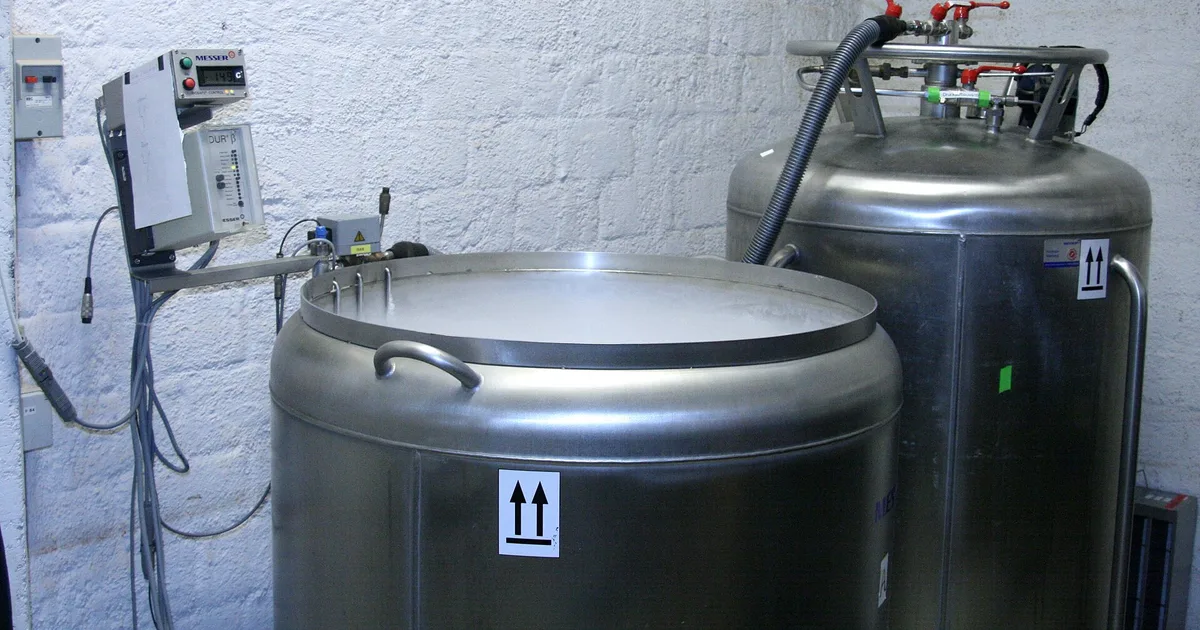
- Cryostorage monitored by weight, not just temperature: Boreas weight-based liquid-nitrogen monitoring can flag a tank problem up to 84 hours in advance, with a redundant cryo-monitoring system behind it, a dedicated HVAC system managing air quality and volatile organic compounds, backup generators plus UPS, and written protocols for fire and earthquake. Off-site storage and shipping partners must meet the same standards.
- Culture to day 7 and blastocyst biopsy done by its own embryologists — but the PGT sample is then sent to an outside genetics laboratory, so the biopsy is local and the sequencing is not. Ask which lab runs your test and what its turnaround is.
- Male fertility inside the practice, not referred out: an in-house male-fertility urologist and a Center For Male Fertility, with semen analysis, hormone testing, genetic testing, sperm DNA fragmentation, imaging and physical exam, varicocele repair, and TESE, micro-TESE, PESA and MESA for azoospermia.
- Third-party reproduction on the SART service list: donor egg, donor embryo, egg and embryo cryopreservation, PGT, gestational carrier cycles, plus programs recorded for female couples, male couples, single women and single men.
- Monitoring that fits a workday: doors open at 7:30 am Monday through Friday and again 7:30 am to noon on weekends at the three main campuses, which matters in a cycle that asks for four to five visits inside two weeks.
- Named niches within the physician group: cancer and elective fertility preservation (Dr. Ho, formerly faculty and director of USC’s Fertility Preservation program), premature ovarian insufficiency, recurrent loss and reproductive immunology (Dr. Wambach), Müllerian anomalies and ovarian aging (Dr. Lin), surrogacy and PCOS research (Dr. Kaing), operative laparoscopy and hysteroscopy (Drs. Chang and Han).
- What the practice does not publish: an elective single-embryo transfer rate, per-campus outcome breakdowns, time-lapse culture (no EmbryoScope or equivalent is listed), medication prices, and cycle-start wait times. Treat any of these as questions to ask, not facts to assume.
IVF & Fertility Services
- In Vitro Fertilization (IVF): injectable stimulation for 10-14 days with ultrasound and bloodwork monitoring, sedated transvaginal retrieval lasting about 15 minutes, insemination or ICSI, culture for up to 7 days, and transfer on day 3 to 6 or freezing for a later cycle
- ICSI (Intracytoplasmic Sperm Injection): single-sperm injection for male factor infertility or prior fertilization failure; testicular tissue is handled under the same identification protocols
- IUI (Intrauterine Insemination): with partner or donor sperm, in natural or medicated cycles, roughly 15 minutes with no sedation
- Ovulation induction: oral agents such as letrozole or clomiphene with cycle monitoring
- PGT-A: trophectoderm biopsy at the blastocyst stage (day 5-7) with the sample sent to an outside PGT laboratory; the practice cites greater than 98% accuracy for detecting chromosome-number errors
- PGT-M and PGT-SR: testing for known single-gene conditions and structural chromosome rearrangements, with genetic counselor consultations arranged
- Egg freezing: stimulation and retrieval followed by vitrification of mature eggs; the practice reports freezing more than 35,000 eggs
- Embryo and sperm freezing, plus donor embryo transfer; unused eggs and embryos are assigned by a written disposition form (donate to the lab, donate to another patient, or discard)
- Donor egg IVF: banked donor eggs through partnered egg banks and donor agencies, or a known (directed) donor; single embryo transfer into the person carrying the pregnancy
- Gestational carrier programs: agency-matched or compassionate carriers, with carrier screening, hormonal lining preparation, catheter transfer, and the carrier’s prenatal care handed to her own OB after the first trimester
- LGBTQ+ family building: donor insemination for female couples, reciprocal IVF, sperm banking for transgender and non-binary patients before gender-affirming care, and donor egg with a carrier for male couples; the practice lists a dedicated LGBTQ+ patient liaison
- Recurrent pregnancy loss evaluation: offered after two losses before 20 weeks or one after 20 weeks, covering genetic, uterine, hormonal, thyroid, immune and clotting causes, with hormone support, hysteroscopic surgery or IVF with PGT as treatments
- Male infertility: the diagnostic and surgical list above, including varicocele repair and surgical sperm retrieval
- Diagnostic testing: AMH and hormone panels, antral follicle ultrasound, hysterosalpingogram, carrier screening, semen analysis and infectious disease testing under FDA requirements
- Reproductive surgery: laparoscopic and hysteroscopic procedures, including correction of uterine anomalies
- Injection lessons: nurse-taught self-administration of stimulation medications
- Telehealth: initial physician consultations by video or phone; testing and monitoring in person
Fees & Packages
RPMG publishes self-pay ranges for its main services. Medication is excluded from every line, and no drug prices are published — the clinic states the financial team reviews your specific plan, and costs move with your response to stimulation.
| Service | Published self-pay range (USD) |
|---|---|
| Testing | $350+ |
| IUI | $1,000-$2,500 |
| IVF | $14,000-$18,000+ |
| Embryo transfer cycle (frozen transfer) | $3,000-$4,000 |
| Genetic testing (PGT) | $3,000+ |
| Egg freezing | $10,000-$13,000 |
There is no published price list for medications, donor agency fees, or gestational carrier compensation; an egg donation or surrogacy program carries agency costs billed separately from the clinic’s own.
Insurance. The practice states it works with most major insurers and runs an Insurance Benefits Verification team that checks your coverage before the first visit, rather than after. It recommends you call your carrier yourself to establish whether fertility care is in the plan, which parts are covered, whether a referral changes the cost, and whether you must be seen at a specific clinic — and to record the name of the representative. Egg freezing is usually excluded unless the plan covers infertility and you face a medical treatment that will damage your fertility.
Financing. Five lending partners are listed on the clinic’s cost page:
- PatientFi — financing up to $60,000, zero-interest plans available, rates from 6.99% APR, terms up to 84 months, soft credit check that does not affect your score
- Sunfish — IVF Success Program with flat-fee pricing and unlimited transfers, 0% APR for the first six months, refund guarantees for qualified patients, and a medication price-match promise
- LendingClub — plans from $2,000 to $40,000, fixed rates advertised from 3.99%, terms of 24 to 84 months, no prepayment penalty
- CapexMD — loans from $3,000 to $50,000 over 6 to 60 months, able to include medications and genetic testing, pre-approval within 24 hours
- Future Family — monthly-payment fertility financing
A money-back or refund-guarantee product is only as good as its qualifying criteria. Read the transfer count, age limits and diagnosis exclusions in the contract before treating a bundle as risk-free.
Patient Journey
- Consultation, usually by video or phone, with a physician. Goals, medical history and the tests needed for a diagnosis. Bring a partner if you have one; the practice recommends it. New patients from other clinics should have prior cycle records, labs, imaging and operative notes moving before this visit.
- Testing, completed in person at a campus. Bloodwork, ultrasound, uterine imaging such as a hysterosalpingogram, and semen analysis. Each result gets a call from your doctor rather than a portal message alone.
- Diagnosis visit. Results, a working diagnosis, and a plan chosen together. This is the visit to ask about cycle-start wait, monitoring frequency, and whether you can be monitored at Irvine rather than at your physician’s home campus.
- Financial consultation. The financing team contacts you after the first appointment to verify coverage and lay out self-pay and loan options before medications are prescribed.
- Stimulation and monitoring. Injectable medications for 10-14 days, with typically four to five monitoring visits inside a two-week window. Campuses open at 7:30 am on weekdays and 7:30 am to noon Saturday and Sunday. Avoid NSAIDs during a cycle, and strenuous exercise and intercourse toward the end.
- Retrieval. Sedated transvaginal ultrasound-guided aspiration, about 15 minutes. Sperm is washed the same day, fresh or thawed. Expect cramping, bloating and constipation for five to seven days afterward.
- Fertilization, culture and testing. Conventional insemination or ICSI in the in-house lab, culture up to day 7, trophectoderm biopsy if PGT is elected, with samples shipped to an outside genetics lab. Embryos are frozen for later transfer or moved fresh on day 3 to 6.
- Transfer and pregnancy test. Lining preparation with medication, catheter transfer without anesthesia, and a blood pregnancy test 10-13 days later. If negative, the plan is reviewed rather than repeated by default. For a gestational carrier, the clinic monitors through 12 weeks and then hands prenatal care to her OB.
- International patients. The practice reports patients from six continents, starts them with a virtual consultation, and coordinates treatment timing around travel; regulatory and shipping requirements for medications and specimens are yours to confirm with the clinic and your own country’s rules.
Local Legal Framework
California is the reason a lot of out-of-state and international patients come to these campuses: surrogacy is enforceable, donor programs are established, and LGBTQ+ parentage is protected by statute. It is also a state where the paperwork, not the medicine, decides who is a legal parent.
Gestational carriers. California Family Code sections 7960-7962 govern the parentage proceeding, and California courts routinely issue pre-birth orders naming the intended parents while the carrier is pregnant. Written carrier agreements, independent legal counsel for each side, and medical and psychological screening come before a cycle is scheduled. Both genetic and non-genetic intended parents should have parentage addressed by a California order before birth, and intended parents using an out-of-state carrier should confirm California recognition with a reproductive-law attorney.
Donor eggs, sperm and embryos. Donation is lawful and performed here on written informed consent, and the donor relinquishes parental rights under California parentage law. Practical point: the clinic states that anonymity is no longer realistic given direct-to-consumer DNA testing, and classifies donors as directed (someone you know, including a friend or relative) or non-directed with varying information release. Ask what identity information your child will be able to access at 18, and get it in the agreement rather than in a brochure.
Embryos and stored gametes. California has not defined the legal status of embryos, so the consent and disposition agreement you sign is the controlling document for storage fees, use after divorce or separation, donation, and discard. Fill it out deliberately and revise it when your circumstances change.
Genetic testing. PGT-A, PGT-M and PGT-SR are available without state-level restriction beyond informed consent and CLIA laboratory standards. California sets no limit on PGT-A for family-limiting reasons in the practice’s materials, though a testing laboratory’s own policies may apply.
LGBTQ+ families. California’s treatment of same-sex couples and marriage-equivalent relationships (Family Code sections 297-297.5) makes donor insemination, reciprocal IVF and carrier paths legally workable for the family structures RPMG treats, including single parents by choice. Legal parentage for a non-gestational, non-genetic partner still needs to be documented properly at the time of conception rather than assumed from the birth certificate.
Coverage. Nothing in the practice’s published materials states a California insurance guarantee for IVF itself. Coverage is settled clinic by clinic through the Insurance Benefits Verification team and your carrier, so get an authorization or a denial in writing before medications start.
Location
- Address: 8383 Wilshire Blvd, Suite 700, Beverly Hills, CA 90211
- Phone: +1 877-273-7763
- Beverly Hills: 8383 Wilshire Blvd, Suite 700, Beverly Hills, CA 90211 — (310) 855-2229
- South Bay (Torrance): 23440 Hawthorne Blvd, Suite 230, Torrance, CA 90505 — (310) 318-3010
- Long Beach: 3833 Worsham Ave, Suite 300, Long Beach, CA 90808 — (714) 702-3000
- Irvine (monitoring only, through Fertility Centers of Orange County): 17875 Von Karman Ave, Suite 480, Irvine, CA 92614 — (949) 387-3888