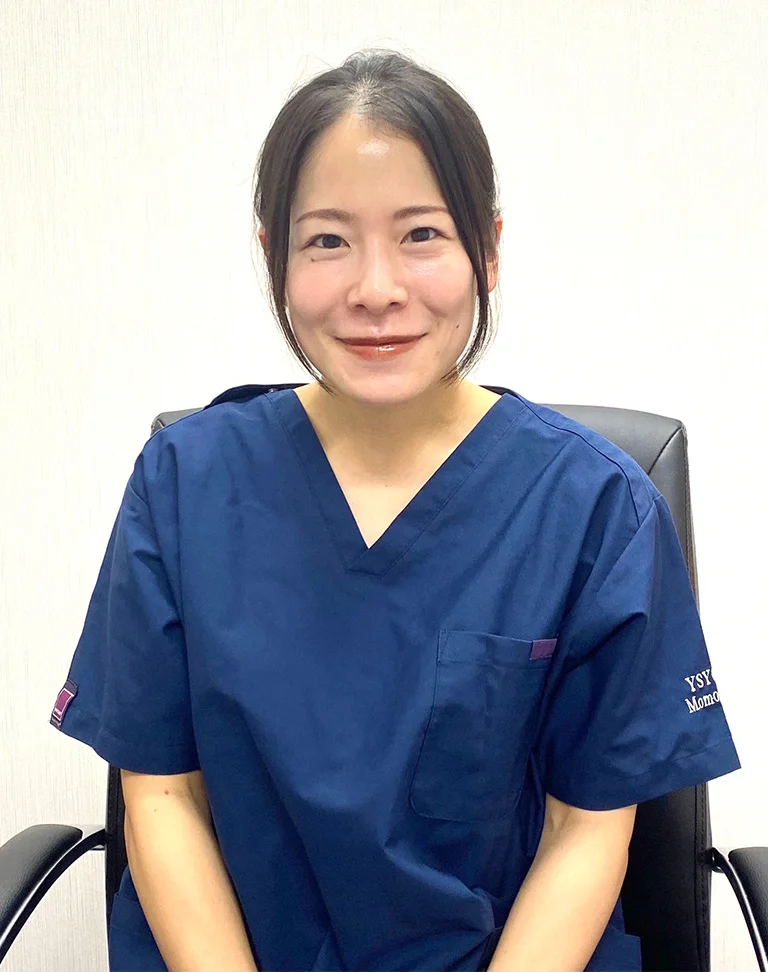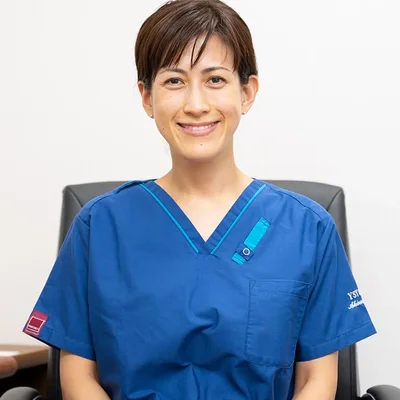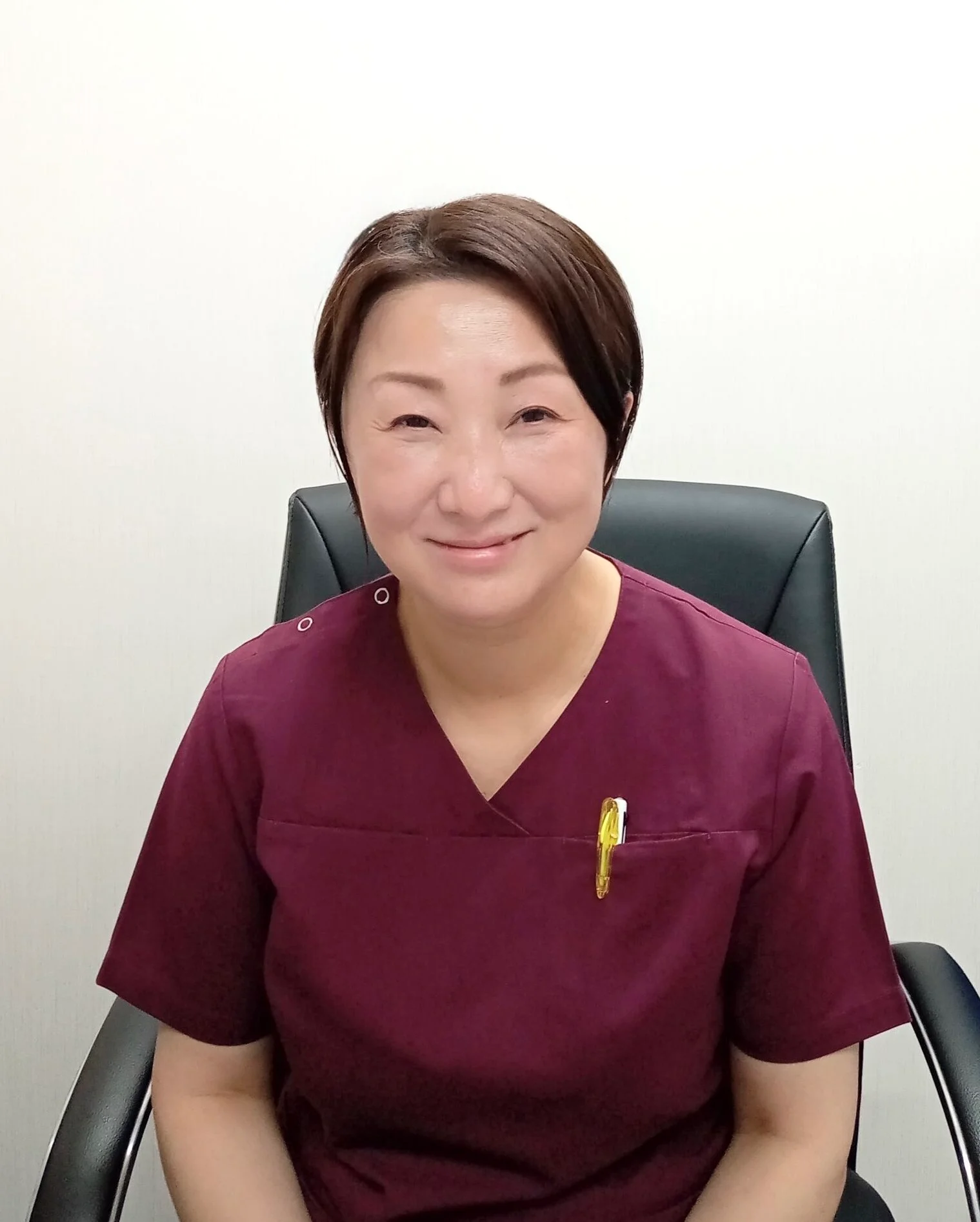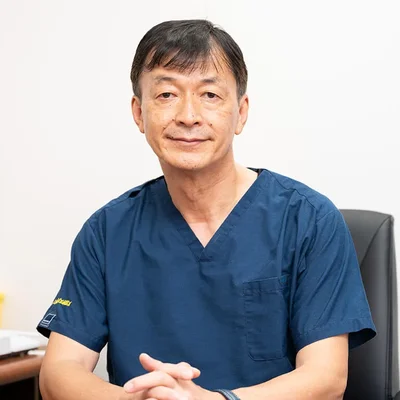
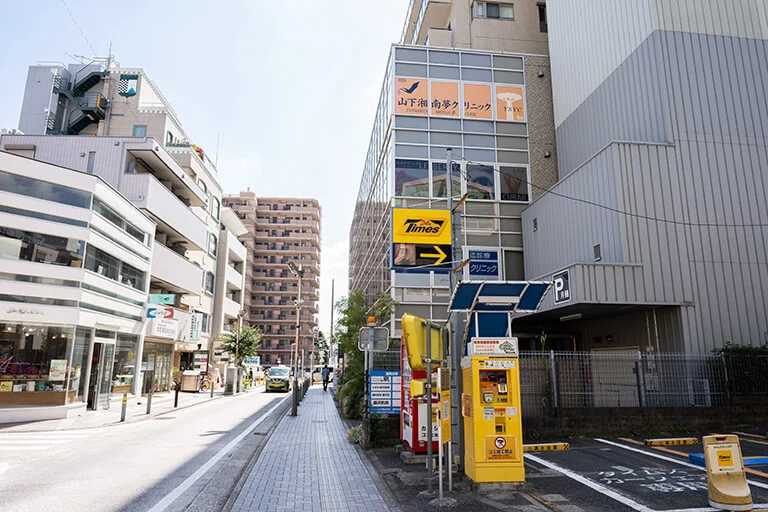
About Yume Clinic
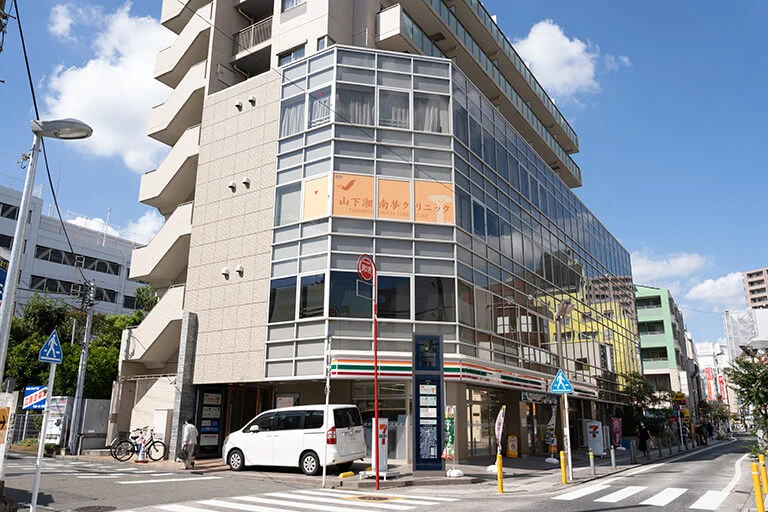
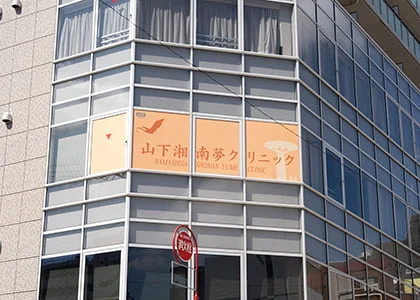
Yume Clinic (山下湘南夢クリニック) is an infertility and assisted reproduction specialty clinic on the 4th floor of the KENEDIX Fujisawa building, a four-minute walk from the south exit of Fujisawa Station in Kanagawa. It opened in April 2009 and belongs to the Towako (永遠幸) group, the same reproductive-medicine network that operates Kato Ladies Clinic — 11 medical institutions and 6 affiliated companies across Tokyo, Yokohama, Nagoya, Kobe, Osaka and Ishikawa.
The clinic keeps its protocol deliberately narrow. It does not run high-stimulation cycles; ovarian response is coaxed with letrozole, clomiphene, a fully natural cycle or an estrogen-supplemented cycle, chosen from hormone values at the start of the cycle. Nearly every transfer returns one embryo, and excess embryos are vitrified rather than transferred together, which keeps multiple pregnancy and OHSS risk low at the cost of more individual cycles. Egg retrieval, fertilisation, culture and transfer all happen in the in-house embryology laboratory, alongside a dedicated Institute of Advanced Reproductive Medicine that runs joint research with universities and corporate labs.
Device development is part of that work. The clinic says it has been building its own thin retrieval needles since 1999 and markets a 21–22G needle, a 2Fr soft silicone catheter for transfer (the industry norm is 6Fr), a low-outgassing culture-dish label called Gas-nil — patented as Japanese patent No. 6774420 — and a MAYU container able to freeze very small numbers of sperm.
What the clinic’s own numbers say
Japan has no CDC-, SART- or HFEA-style public registry, so there are no government-published per-age live birth rates to compare. Yume Clinic instead posts IVF/ICSI outcomes monthly and quarterly on its own results page. For October–December 2025 it reports 332 transfer cycles at an average patient age of 36.9, with 227 positive pregnancy tests (68.4%) and 158 fetal heartbeats confirmed (47.6%). Within that quarter, 216 single-embryo blastocyst transfers (average age 37.1) reached a 50.9% fetal heartbeat rate. Its month-by-month table for January–September 2025 totals 954 transfers, an implied annual volume of roughly 1,286 transfer cycles.
Read the definitions before comparing these with other countries: the clinic publishes pregnancy test positivity and fetal heartbeat confirmation, not live birth rates, and reports an average age rather than age bands, so the figures cannot be mapped onto per-age statistics elsewhere.
Accreditations & Awards
- Kanagawa Prefecture designated fertility-preservation institution — Kanagawa residents can claim prefectural subsidies for sperm, egg and embryo freezing done for medical reasons
- Japanese patent No. 6774420 (Gas-nil) — a volatile-organic-compound-free label for culture vessels, developed in-house to stop label outgassing from suppressing embryo expansion
- Advanced medical technology facility approval (2023) for membrane-structure physiological sperm selection (SSD), which can be billed under insurance alongside self-pay care
- Kanto-Shinetsu Regional Health and Welfare Bureau filings covering general infertility treatment management fees, ART management fees, chromosome testing standards, genetic counseling add-ons and intratesticular sperm retrieval
- In-house Institute of Advanced Reproductive Medicine with joint university and industry research; clinic physicians have first-author presentations at the annual meetings of the Japanese Society for Reproductive Medicine
- Long-running patient education: online information sessions are streamed monthly on the third Saturday and reached their 140th session by September 2026
Why Choose Yume Clinic
- Itemised base-fee-plus-success-fee pricing. Retrieval, fertilisation, culture and transfer each carry a published base fee, then a per-egg or per-embryo success fee with a hard cap. You can price a cycle before treatment starts instead of receiving a lump quote.
- Automatic success-fee waiver for patients over 43. Under the clinic’s senior pricing schedule, the success fee is waived on every fourth transfer (4th, 8th, and so on), then reverts in between.
- Minimal stimulation with almost universal single-embryo transfer. No high-stimulation protocols, and the clinic states that essentially 100% of transfers return one embryo.
- Retrieval without general anaesthesia. The procedure takes about 10 minutes through a 21–22G needle, with suppositories, local anaesthetic spray and analgesic injection as the pain-management options; patients rest roughly 10 minutes and go home the same day.
- In-house laboratory and time-lapse culture. Embryos stay in a time-lapse incubator with built-in microscopy and camera, so development is scored without removing them from culture conditions. Piezo-driven ICSI with a flat-tip glass needle plus artificial oocyte activation is offered for severe male factor.
- Split-site care is explicitly supported. The clinic’s own guidance endorses monitoring at a local hospital and travelling to Fujisawa only for retrieval and transfer — which cuts the number of visits for patients coming from other prefectures or countries.
- Recurrent implantation failure workup on site: SEET endometrial irritation, TRIO endometrial receptivity testing, CD138 testing for chronic endometritis, hysteroscopy, and paired transfer of a good plus a poor-quality vitrified blastocyst.
IVF & Fertility Services
- Timed intercourse guidance, with day-3 hormone baselines, ovulation monitoring and postcoital testing
- Ovulation induction, deliberately low-dose: letrozole plus recombinant FSH (typically 1–2 oocytes), clomiphene plus recombinant FSH (typically 4–5), natural cycles for low ovarian reserve, or estrogen-supplemented cycles
- Intrauterine insemination (IUI) with washed, concentrated sperm; the clinic quotes a 5–30% per-cycle pregnancy rate and converts to IVF if 1–5 cycles fail
- IVF with minimal stimulation or natural-cycle retrieval, inseminating each egg with 100,000–200,000 prepared sperm
- ICSI, including piezo-driven ICSI and artificial oocyte activation
- Blastocyst culture, vitrified freezing and thawed embryo transfer timed to the implantation window
- Egg freezing for single women and fertility preservation before chemotherapy or radiotherapy, with storage entrusted to the affiliated Grace Bank stem-cell institute
- Sperm freezing, including home collection with a pre-arranged container and the MAYU device for very low sperm numbers; live births are reported after freeze-thaw ICSI using sperm retrieved from the testis
- Sperm retrieval: PESA and TESE, coordinated with a collaborating urology clinic
- PGT-A — available, but self-pay at this clinic
- Infertility testing: basal body temperature, transvaginal and abdominal ultrasound, E2/LH/FSH/progesterone, semen and testicular assessment, postcoital testing, hysterosalpingography and chlamydia antibody screening
- Not offered: donor eggs, surrogacy, or stand-alone premarital health checks
Fees & Packages
Two price schedules run in parallel: Japan’s national health insurance track (available since April 2022) and the clinic’s self-pay schedule. All figures are tax-inclusive; consultation and medication are billed separately. USD conversions use roughly ¥150 = US$1 and are indicative only.
Important for patients coming from abroad: insurance pricing requires enrolment in Japan’s public health insurance. Visitors and non-residents are treated as self-pay and billed on the schedule below. Insurance also requires being under 43 at the start of treatment, with transfer caps of 6 cycles under 40 and 3 cycles for ages 40–43.
Insured rates, for reference: IUI ¥5,460 (~US$36); retrieval base ¥9,600 with per-egg tiers of ¥7,200 / ¥10,800 / ¥16,500 / ¥21,600; IVF ¥9,600 plus ¥4,800 when ICSI is added; culture management ¥13,500–¥31,500; fresh transfer ¥22,500; frozen transfer ¥36,000; embryo storage ¥15,000–¥39,000; assisted hatching ¥3,000.
Self-pay — base fee plus success fee:
| Item | Base fee | Success fee |
|---|---|---|
| Egg retrieval | ¥22,000 (~US$147), plus ¥22,000 Sunday surcharge | ¥11,000 (~US$73) per egg, capped at ¥77,000 (~US$513) |
| Retrieval needle and culture medium | ¥44,000 (~US$293) | — |
| IVF and early culture | ¥22,000 (~US$147) | ¥33,000 (~US$220) per fertilised egg, capped at ¥198,000 (~US$1,320) |
| ICSI and early culture | ¥44,000 (~US$293), plus ¥22,000 for piezo | ¥33,000 per fertilised egg, capped at ¥198,000 |
| Embryo transfer | ¥88,000 (~US$587), plus ¥22,000 Sunday surcharge | — |
| Blastocyst culture | ¥33,000 (~US$220) | ¥33,000 per blastocyst reached, capped at ¥198,000 |
| Blastocyst freezing (first 6 months) | ¥44,000 (~US$293) | ¥11,000 each from the 2nd embryo, capped at ¥55,000 (~US$367) |
| Thawing a frozen embryo | ¥11,000 (~US$73) | — |
| Sperm freezing (first 6 months) | ¥22,000 (~US$147), plus ¥3,300 per MAYU container | — |
| Testicular sperm extraction (TESE) | ¥110,000 (~US$733) | — |
| Pregnancy established | — | ¥88,000 (~US$587) for the 1st and 2nd transfer, ¥55,000 (~US$367) from the 3rd |
Other self-pay items: first visit about ¥10,000 (~US$67) including infectious disease screening (a partner attending only for semen analysis pays roughly ¥7,000 plus ¥2,000 in tests); time-lapse culture surcharge ¥30,000–¥33,000 (~US$200–220); SEET ¥10,000 for freezing and ¥30,000 for thawing; SSD ¥25,000 (~US$167); extended storage ¥33,000 per six months for eggs and embryos, ¥16,500 for sperm. Payment is a single charge to a credit card in the patient’s own name (VISA, MasterCard, JCB, AMEX, Diners).
Patient Journey
- Book online through Dr.cube in 15-minute windows and arrive inside your window — earlier arrivals are not taken. Changes and cancellations can be made online until 7:00 a.m. the same day; a confirmation email arrives the previous day.
- Complete the pre-visit questionnaire beforehand. Couples are booked under the wife’s name. Semen analysis, egg freezing and sperm freezing cannot be booked online and require a phone arrangement first.
- First visit, 2–3 hours. Timing does not depend on your period. Seven infectious and blood tests are drawn — ABO, Rh(D), hepatitis B surface antigen, hepatitis C antibody, HIV antigen/antibody, syphilis RPR/TPHA and chlamydia IgA/IgG — so the first visit functions as a preparation cycle and treatment begins the following cycle. Bring a My Number health insurance card or certificate of eligibility, plus a referral letter if you have one.
- Cycle start on day 3 of menstruation (day 3 preferred, then 2, 4, 1, 5). If day 3 falls on a Sunday, the visit moves to Monday or Saturday.
- Stimulation and monitoring. Letrozole, clomiphene or a natural cycle, tracked by hormone assays and transvaginal ultrasound to set the trigger and retrieval timing.
- Egg retrieval, about 10 minutes under transvaginal ultrasound guidance with a 21–22G needle, normally without anaesthesia; ten minutes of rest afterwards and you go home the same day. If a partner cannot attend, a home collection container can be delivered within 2–4 hours, or he can freeze sperm in advance.
- Culture and transfer. Embryos are observed in time-lapse incubators and transferred under ultrasound guidance through a 2Fr soft catheter, almost always as a single embryo. On a frozen-transfer day the final go/no-go decision is made that morning, so the visit can run until about 15:00.
- Luteal support and pregnancy test. Progesterone is measured repeatedly to manage the implantation environment. After transfer, normal life resumes the next day unless there is bleeding — travel, hot baths and intercourse are permitted; only vigorous exercise is restricted.
- Practical constraints. The clinic is fully appointment-based, uses a buzzer rather than name calls in the waiting area, has no parking, and does not allow children on retrieval, transfer or IUI days; if you must bring a child, wait in the 2nd-floor lounge or corridor space.
Local Legal Framework
IVF, ICSI, frozen embryo transfer, PGT-A and egg freezing are legal and routinely practised in Japan, and since April 2022 mainstream infertility treatment has been covered by national health insurance — with an age limit (under 43 at treatment start) and transfer-count caps. Non-medical egg freezing and PGT-A remain self-pay.
Daily practice is governed by the ethics guidelines of the Japan Society of Obstetrics and Gynecology (JSOG) rather than by a single ART statute: donor egg and donor sperm programmes are prohibited for member physicians, and commercial surrogacy has no legal framework in Japan. PGT-A is permitted for defined indications — recurrent miscarriage, recurrent implantation failure, hereditary disease risk — and must pass an institutional ethics committee review; Yume Clinic’s committee is composed of obstetricians and pathologists from other hospitals, biology researchers, lawyers, and patients with treatment experience. Japanese law does not assign embryos explicit legal personhood.
Couples do not need to be married in the registered sense: the clinic accepts legally married, common-law and international (separate-surname) couples, but common-law pairs must submit a certified family register extract and residence certificate issued within three months plus a signed treatment consent form, and treatment stops if the relationship ends. Same-sex couples are outside this framework because Japan does not recognise same-sex marriage. Central and prefectural treatment grants, including Kanagawa’s fertility preservation subsidy, require Japanese residency and insurance enrolment and are generally unavailable to overseas patients.
Note on language: the clinic’s published materials and appointment system are in Japanese, and no English or Chinese consultation service is advertised. International patients should confirm interpretation arrangements before booking.
Location
KENEDIX Fujisawa 4F, 1-2-10 Kugenuma Ishigami, Fujisawa, Kanagawa 251-0025, Japan — about a four-minute walk from the south exit of Fujisawa Station.
- Phone: +81-466-55-5011
- Hours: Monday–Friday 10:00–13:00 and 15:30–18:30; Saturday 09:30–13:00; Sunday for egg retrieval, embryo transfer and physician-designated patients only; public holidays morning only
- Building layout: reception, waiting areas and consultation rooms on the 4th floor, with a 2nd-floor lounge; the embryology laboratory and quiet recovery room are on the clinic floor
- By car: there is no clinic parking and no bicycle parking — use a nearby paid car park