'%20d='m0%200%2016%2011h61%2061%2061%2061%2060L47%2037h61%2061%2060%2061L16%2063h61%2061%2061%2061%2060L47%2089h61%2061%2060%2061L16%20115h61%2061%2061%2061%2060L47%20141h61%2061%2060%2061L16%20166h61%2061%2061%2061%2060L47%20192h61%2061%2060%2061L16%20218h61%2061%2061%2061%2060z'/%3e%3c/svg%3e)
About Brigham and Women’s Hospital Center
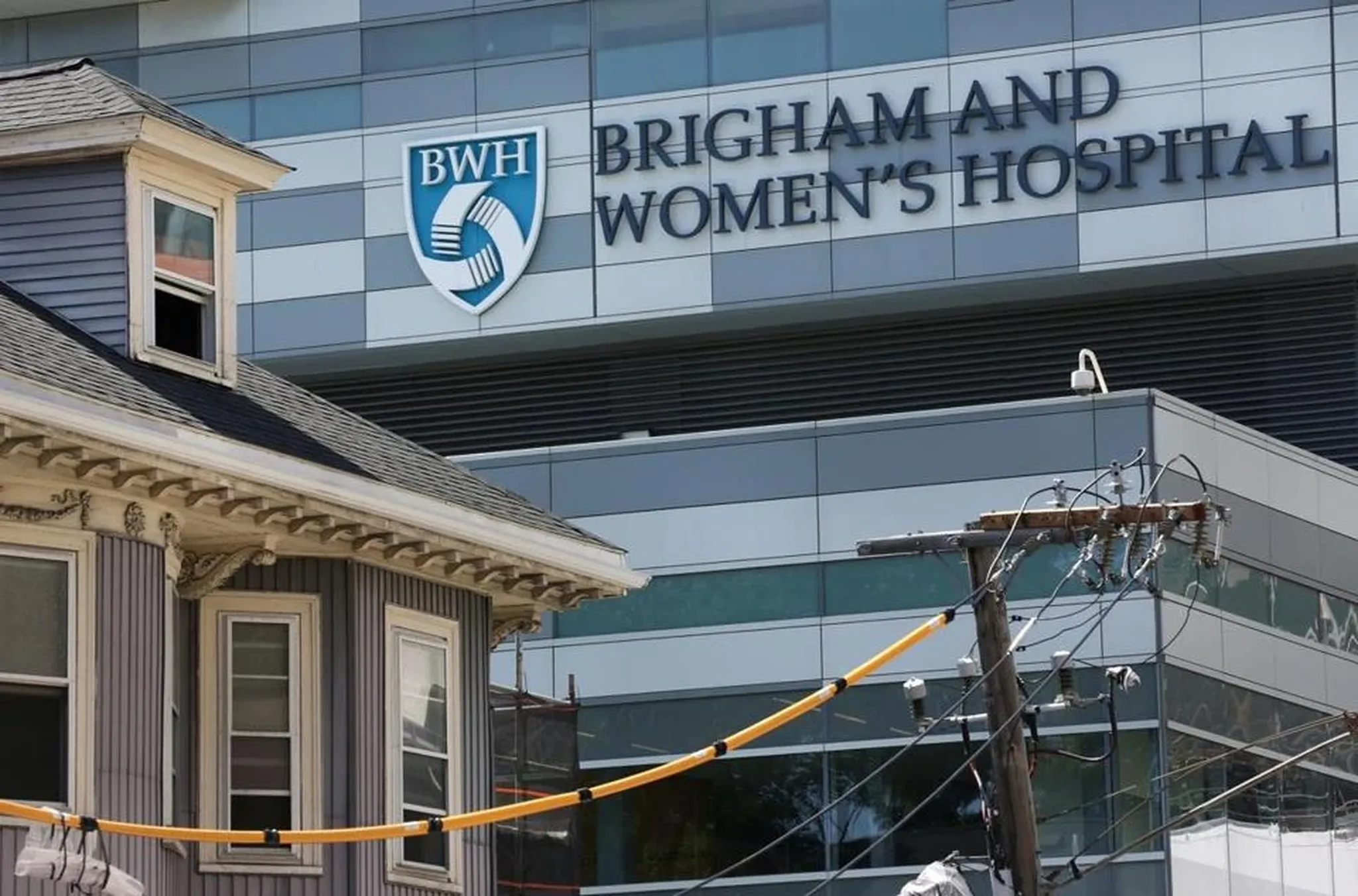
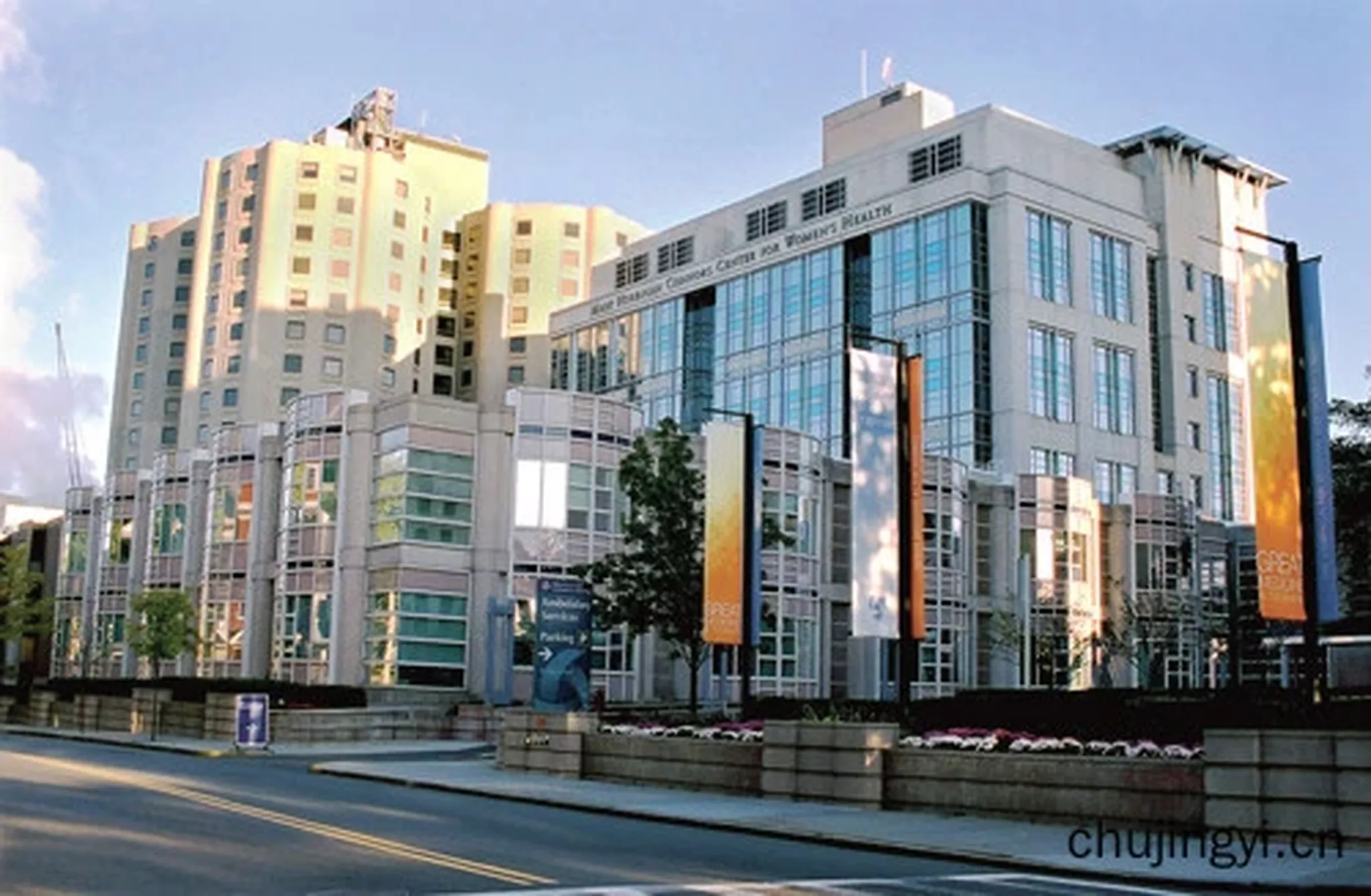
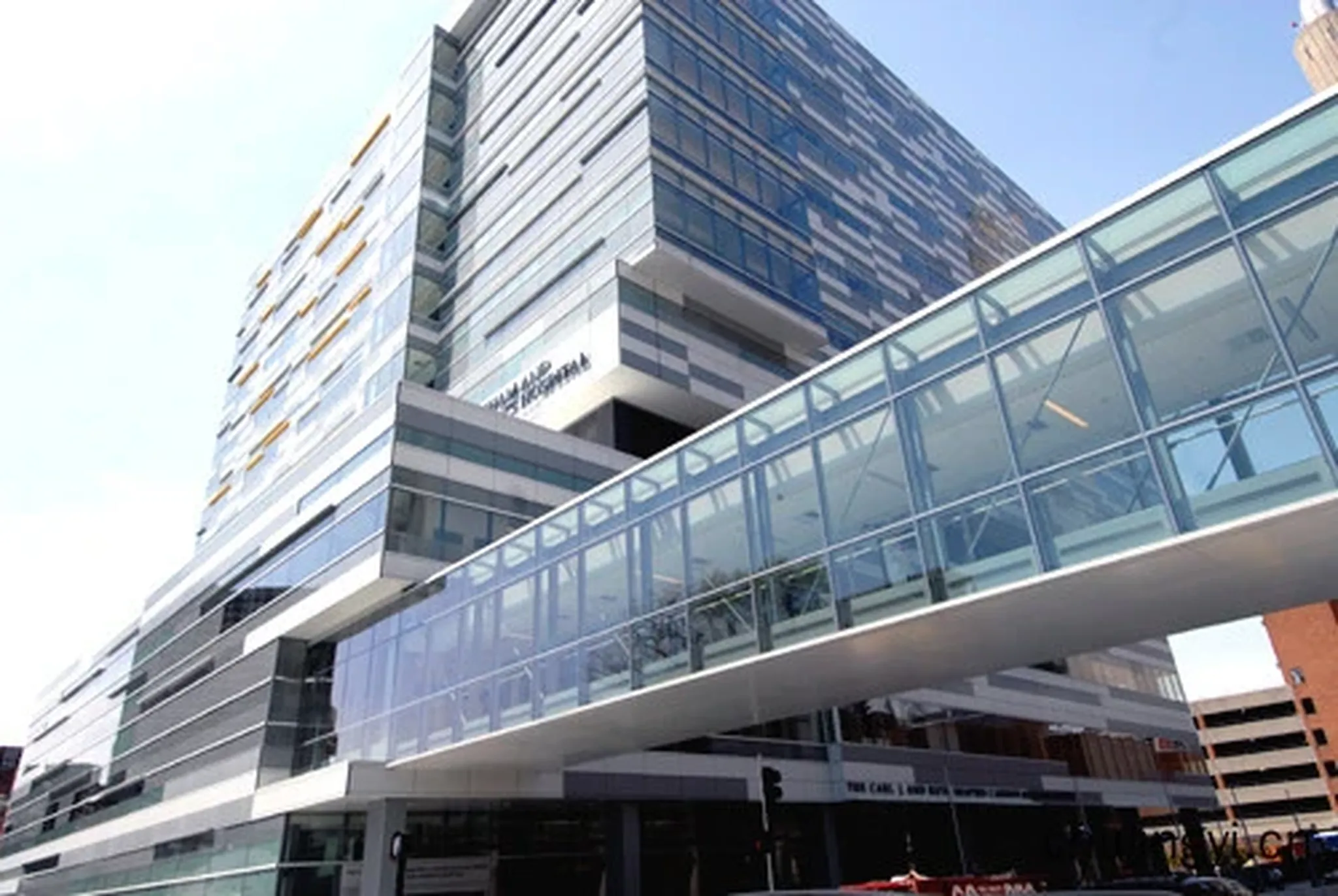
This is a department inside a hospital, not a freestanding clinic. The Center for Infertility and Reproductive Surgery (CIRS) sits within Brigham and Women’s Hospital in Boston’s Longwood Medical Area and serves as the Harvard Medical School teaching site for reproductive endocrinology and infertility. That structure changes what your visit looks like. You register for a hospital medical record number before anyone reviews your charts. A single physician directs your care, but the coverage model is team-based, with 24-hour physician responsibility, and your appointments may include fellows who are already practicing gynecologists training toward REI certification, plus residents and medical students. If something goes wrong mid-cycle — severe hyperstimulation, an ovarian torsion, an operative complication — you are already an inpatient-eligible patient at a major academic medical center rather than someone being transferred somewhere.
CIRS reports its own outcomes rather than hiding behind a network figure. In SART’s 2023 reporting the program recorded 2,946 cycles, roughly three times the 932-cycle national per-clinic average in that same SART 2023 dataset. High volume documents repetition, not superiority, and the fresh-IVF numbers show why that distinction matters. Live birth per fresh retrieval cycle in women under 35 came in at 34.0% against a 39.4% national figure; ages 35-37, 23.4% against 31.0%; ages 38-40, 19.6% against 21.3%. Only the over-40 fresh group ran above the national rate, 11.3% versus 8.1%. Frozen embryo transfer tells the other half of the story: 59.4% live birth under 35 versus 46.6% nationally, 47.0% versus 44.9% at 35-37, 46.7% versus 40.7% at 38-40, and 46.2% versus 29.3% over 40. Across all transfer types combined, the center lands essentially on the national line under 40 (51.7% versus 53.2% under 35) and above it over 40 (12.7% versus 9.4%).
A plausible reading of that split, based on what the program actually treats, is that a hospital-based referral center accumulates hard cases — fertility preservation before chemo, third-party reproduction, dimensionally complex uteri needing surgery first, repeated-loss workups — and freezes more embryos than an average clinic, which pushes outcomes into the frozen-transfer column and thins the fresh column. The published data does not prove that, because SART does not risk-adjust for case mix. What it does establish: this is a center where elective single-embryo-transfer-friendly frozen cycles carry the program, and where a below-average fresh number under 40 is disclosed rather than smoothed over.
The center’s own history section reaches back to 1944, when researchers at the Free Hospital for Women, Brigham’s predecessor institution, first fertilized a human egg in a glass vessel. CIRS describes itself as the oldest infertility subspecialty training program in the United States and as having one of the largest groups of physicians certified by the American Board of Obstetrics and Gynecology in reproductive endocrinology and infertility — those are institutional claims, and the hospital does not publish a comparative count to check them against.
Accreditations & Awards
- SART membership with annual CDC reporting. CIRS is a member of the Society for Assisted Reproductive Technology and reports cycle results to the CDC every year under the federal reporting requirement that has applied to U.S. fertility centers since 1992. Program-level statistics are searchable by clinic name in the SART registry.
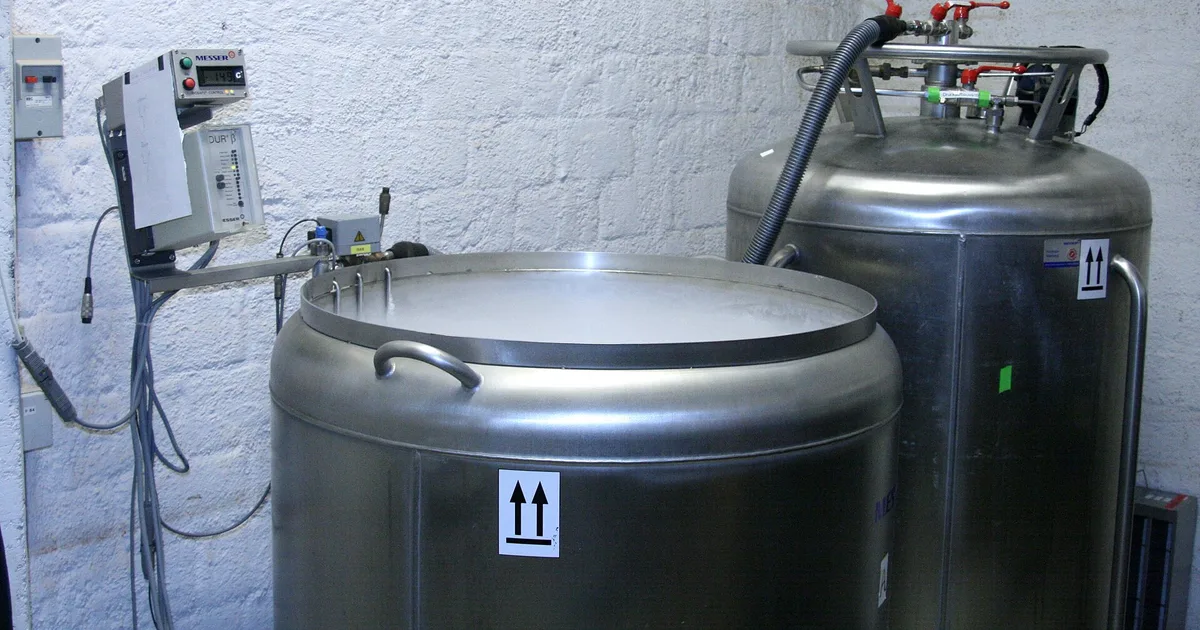
- In-house reproductive laboratories. The center states that its own full-service labs hold national certification (CAP and CLIA). The site does not publish the accreditation numbers, so verify them directly if this matters to your decision. Lab scope includes hormone assays, semen analysis and sperm processing, genetic disease testing, embryo culture and cryopreservation.
- ASRM Center of Nursing Excellence. Brigham displays the American Society for Reproductive Medicine’s nursing-excellence designation on the center’s pages. This is a nursing-program recognition, not a clinical-outcome ranking.
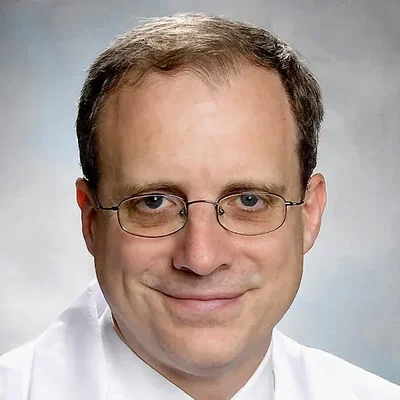
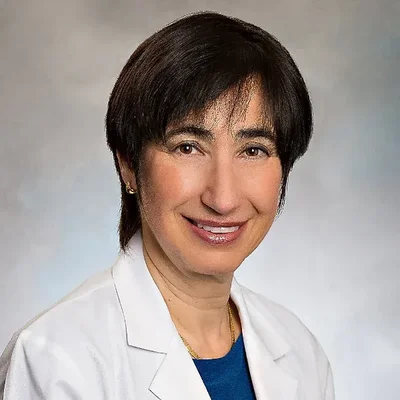
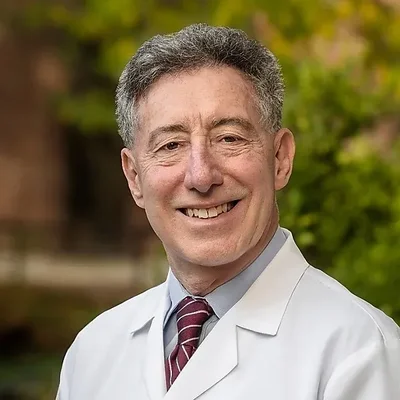
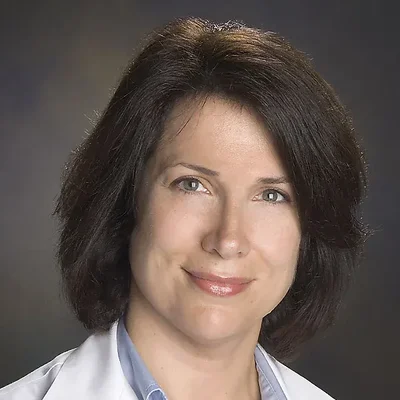
- Individual physician listings. Mark D. Hornstein and Janis H. Fox are both recorded as Boston Magazine Top Doctors (2022) and Castle Connolly America’s Top Doctors (2022). Awards are per physician and per year; the center publishes no hospital-wide ranking.
- Surgical firsts. January 2007: New England’s first successful robot-assisted laparoscopic tubal sterilization reversal, performed by Brigham surgeons. February 2007: Boston’s first robot-assisted hybrid myomectomy for very large fibroids.
- Active industry-funded trials. The program enrolls patients in the Thrive-IVF study of NT100, an investigational drug for repeated IVF failure in women aged 21-38 who have had three or more failed transfers of good-quality embryos, at least two involving fresh embryos.
Why Choose Brigham and Women’s Hospital Center
Everything happens inside one department. Medical fertility treatment, IVF embryology, reproductive surgery and genetic evaluation are staffed by the same faculty group, so a patient who needs a laparoscopic endometriosis excision before she needs a stimulated cycle is not being handed between two businesses. The program also runs two named subspecialty centers under its own roof: the Boston Center for Endometriosis, founded in 2012 by Marc R. Laufer with colleagues at Boston Children’s Hospital, and the Boston Center for Uterine Fibroids.
Surgical depth that a clinic-only program cannot match. Minimally invasive and robot-assisted gynecologic surgery is part of the fertility mission here, not a referral: myomectomy by abdominal, laparoscopic, robotic or hysteroscopic route; laparoscopic excision of endometriosis and ovarian cysts; lysis of pelvic and uterine adhesions; hysteroscopic polypectomy and correction of uterine malformations; ectopic pregnancy management; and tubal reversal. The da Vinci system is used for gynecologic cases through 5-12 mm incisions. Brigham also states its program is one of few worldwide with dedicated reproductive surgery for congenital and acquired reproductive tract anomalies.
Third-party reproduction and family-building for everyone. Donor egg cycles with designated or anonymous donors, gestational carrier programs, and therapeutic donor insemination are routine service lines, with a dedicated egg donor and gestational carrier administrative team. The center states explicitly that all fertility services, without exception, are open to single individuals and to couples regardless of gender or sexual orientation.
Preservation before gonadotoxic treatment. Egg and embryo freezing, sperm cryopreservation and testicular sperm extraction are offered both for cancer and chronic-disease patients and for people electively deferring parenthood.
Trial access. Programs like Thrive-IVF exist only at academic sites. Eligible participants receive study tests, procedures and medication at no cost, plus $1,000 toward embryo storage.
Four Boston-area locations plus a hospital partnership. Clinic hours run early morning and evening at the main site, with satellite practice in Newton (via Newton-Wellesley Hospital), Braintree and Foxborough, and a CIRS service line at South Shore Hospital under Elena H. Yanushpolsky. Physicians also hold appointments at Mass General Fertility and other Mass General Brigham sites, so a specialist here may see you on a partner campus.
What is not documented. The center publishes no price list, no wait time from first call to cycle start, no commercial time-lapse culture claim, and no embryo-transfer policy figures such as its elective single embryo transfer rate or multiple-birth rate. Where a program-level figure matters to you, ask for it directly and check the SART registry yourself.
IVF & Fertility Services
- IVF with full-cycle management. Ovarian stimulation with injectable medications, transvaginal ultrasound egg retrieval under light anesthesia, insemination four to six hours after retrieval, fertilization check at 16-20 hours, culture for 48-96 hours, and transfer on day 3 or day 5.
- ICSI. A single sperm is injected into each egg where sperm counts are extremely low or fertilization failed or underperformed in a prior cycle.
- Assisted hatching. A hole is made in the zona pellucida, offered to older patients, those with repeated implantation failure, and embryos with thicker-than-normal zonae.
- PGT-A and PGT-M. Cells are biopsied from blastocysts on day 5 or day 6 for aneuploidy screening or testing for chromosome rearrangements and single-gene disorders. Genetic counselors see patients before testing to define what is being tested for. The center’s inherited-condition work covers cystic fibrosis, Tay Sachs, spinal muscular atrophy, Canavan disease, sickle cell disease and the thalassemias, plus karyotype evaluation for recurrent loss and for men with azoospermia or severe low count (Y-chromosome microdeletion and CFTR testing).
- Donor egg IVF. Designated donors known to the recipient and anonymous donors, using standard stimulation, retrieval and transfer; indicated for premature ovarian failure, absent or non-functioning ovaries, prior chemotherapy or radiation, repeated treatment failure, and carriers of genetic disease.
- Gestational carrier cycles. For patients with no uterus, uterine pathology, a pregnancy risk from a medical condition, or no uterus at all — intended parents’ gametes are used, the carrier has no genetic link, and parentage is established by pre-birth order.
- Ovulation induction and IUI. Oral or injectable stimulation for PCOS, hyperprolactinemic anovulation, diminished reserve and unexplained infertility; IUI with partner or bank-donor sperm, often combined with induction.
- Fertility preservation. Egg, embryo and sperm freezing plus testicular sperm extraction, for oncology patients and for elective deferral of parenthood.
- Reproductive surgery. Laparoscopic, hysteroscopic and robotic treatment of endometriosis, fibroids, ovarian cysts, adhesions, congenital uterine anomalies and polyps; myomectomy with fertility preservation as the stated goal; tubal ligation reversal, where roughly 50-80% of women go on to a successful pregnancy depending on age, the original ligation method and remaining tubal length.
- Recurrent pregnancy loss program. A dedicated evaluation and management service covering the medical, surgical and psychological work of two or more losses, including hormonal correction, surgical treatment of uterine abnormalities and fibroids, immunologic evaluation for conditions such as antiphospholipid syndrome, blood-thinning therapy and PGT.
- Infertility evaluation. Hormone panels, semen analysis, ultrasound assessment of ovarian reserve, genetic carrier and chromosomal testing, and hysteroscopic or laparoscopic diagnosis.
Fees & Packages
There is no published price list. Brigham and Women’s Hospital posts no cycle fee, no medication estimate and no bundle for IVF, donor egg, gestational carrier or fertility preservation, and no installment financing program is named. For international patients the statement is blunt: costs vary by the plan you and your physician agree on, and the International Patient Coordinator walks you through each option’s price.
Two things are documented about how money is handled. First, a Managed Care Coordinator contacts you to go over your financial obligations for the cycle before it starts, which is the practical moment to ask what the monitoring ultrasounds, bloodwork, anesthesia, embryology fees, freezing, annual storage and any surgical step each cost. Second, because CIRS is a hospital department, expect charges to route through hospital accounting rather than a clinic’s all-in package price — ask how facility and professional charges are itemized and which fall under Massachusetts’ infertility coverage mandate.
The one place the program puts a number on the table is research. In Thrive-IVF, study-related tests and procedures, including study medication, carry no cost to the participant and the study pays $1,000 toward embryo storage.
Patient Journey
- Register. Both partners call the Brigham Patient Service Center to open records and receive a medical record number. This is a hospital registration, not a clinic intake form.
- Consult. You meet one of the CIRS physicians, who takes your history and lays out options. Depending on your situation a nurse or a licensed social worker joins the same visit. Practice assistants are reachable on the main line weekdays from 8:30 a.m. to 4:00 p.m. to schedule testing; early-morning and evening appointment slots exist for monitoring-constrained patients.
- Test. Hormone panels, semen analysis, imaging of the ovaries and uterine cavity, and where indicated genetic carrier screening or karyotyping. A team of physicians, embryologists, nurses and social workers coordinates the workup and recommends a course of treatment.
- Choose an agency, if you need one. For donor egg or gestational carrier work you select an agency yourself; the center maintains a list of agencies it has worked with well and formally endorses none. Attorneys for both sides negotiate the contract, and for surrogacy a pre-birth order is filed.
- Sort the money. The Managed Care Coordinator reviews cycle costs and payment. International patients work through the International Patient Coordinator, whose team includes staff fluent in Italian, French, Spanish and Russian.
- Screen. Medical and psychological screening applies to you, to a donor, and to a gestational carrier.
- Stimulate and monitor. Injectables are followed by serial ultrasound and bloodwork at the site nearest you — Boston, Newton, Braintree or Foxborough.
- Retrieval and transfer. Eggs are collected transvaginally under light anesthesia, fertilized by insemination or ICSI, cultured, and transferred on day 3 or day 5, or frozen for a later transfer.
- Confirm and follow. A pregnancy test follows transfer, with early ultrasound monitoring after that. Because this is a teaching hospital, expect fellows, residents and medical students at some visits. Social workers are available at any point in a cycle, and international patients can continue follow-up remotely with help from the coordinator on travel and lodging.
Local Legal Framework
Massachusetts is one of the friendliest states in the country for fertility treatment, and that matters for your wallet as much as your legal protections.
- Insurance coverage. State law requires regulated health plans to cover the diagnosis and treatment of infertility, including IVF, which places Massachusetts among the small group of mandate states. Read your own policy before assuming the mandate reaches you: self-funded employer plans are governed by federal law rather than state mandate, and coverage questions here go to the Managed Care Coordinator in writing.
- Gestational surrogacy. Practiced and permitted. Contracts are drawn by attorneys representing the intended parents and the carrier separately, the carrier undergoes rigorous medical and psychological screening, and a pre-birth order is filed with the court to fix parentage before delivery. Brigham’s program works with paid professional carriers through agencies as well as with known volunteers.
- Egg and sperm donation. Legal, under FDA regulation of gamete handling and ASRM guidance on screening and compensation. Donor sperm for insemination is sourced from licensed commercial banks, consistent with FDA and CDC recommendations to use frozen screened semen.
- Genetic testing on embryos. PGT-A and PGT-M are legal in the United States. The center offers testing for aneuploidy, chromosome rearrangements and single-gene disease after genetic counseling.
- LGBTQ+ access. Same-sex marriage and, before it, Massachusetts’ own recognition have long made joint parental recognition routine in the state, and following Obergefell v. Hodges (2015) the framework is national. CIRS goes further than the law requires and states that every service is open to single people and to couples of any gender or sexual orientation.
- Embryo legal status. Massachusetts treats frozen embryos as special property subject to the parties’ earlier agreements rather than as persons, so cryopreservation, donation to research, donation to other patients and discard are all lawful. That doctrine is why storage contracts here require you to state in advance what happens to remaining embryos if you divorce, die or change your mind.
Location
- Address: 75 Francis Street, ASB1-3, Boston, MA 02115
- Phone: +1 617-732-4222 (new patients, press option 1; answered Monday to Friday, 8:30 a.m. to 4:00 p.m.)
- Newton: 2014 Washington Street, Newton, MA 02462 — +1 617-243-5200
- Braintree: 1681 Washington Street, Braintree, MA 02184 — +1 781-930-0653
- Foxborough: 22 Patriot Place, Foxborough, MA 02035 — +1 617-732-4222