'%20d='m0%200%2016%2011h61%2061%2061%2061%2060L47%2037h61%2061%2060%2061L16%2063h61%2061%2061%2061%2060L47%2089h61%2061%2060%2061L16%20115h61%2061%2061%2061%2060L47%20141h61%2061%2060%2061L16%20166h61%2061%2061%2061%2060L47%20192h61%2061%2060%2061L16%20218h61%2061%2061%2061%2060z'/%3e%3c/svg%3e)


About CCRM Fertility of Lone Tree
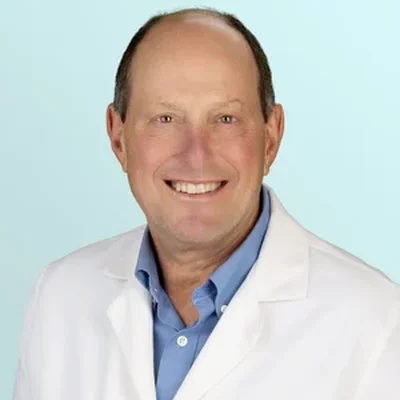
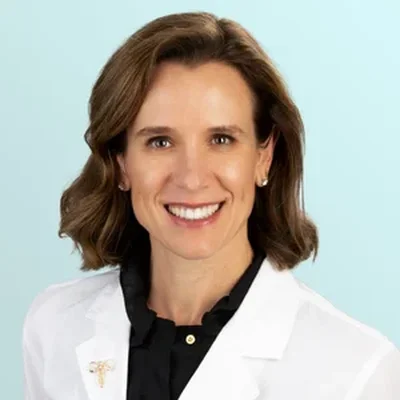
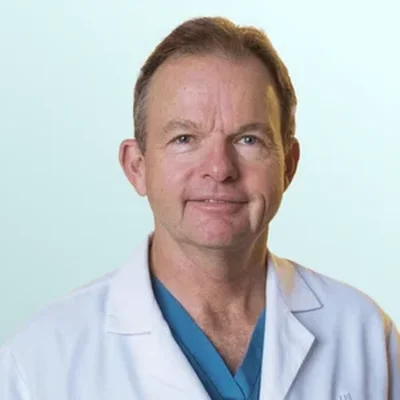
The Lone Tree office sits at 10290 RidgeGate Circle, in the RidgeGate medical campus a few miles south of Denver International Airport, and it functions as the Colorado home base of CCRM — the Colorado Center for Reproductive Medicine, founded by Dr. William Schoolcraft in 1987. CCRM now operates four Colorado offices: this one, Denver at Rose Medical Center, Louisville, and Colorado Springs. This page covers Lone Tree. The founder still practices here. Two other physicians have long tenures at the Colorado practice: Eric Surrey since 1999 and Robert Gustofson since 2006.
The office offers the full assisted reproduction lineup — IVF, ICSI, IUI, PGT-A and PGT-M, egg, embryo and sperm freezing, donor eggs and donor sperm, gestational carrier cycles, and family building for LGBTQIA+ patients — plus reproductive surgery including hysteroscopy, laparoscopy and robotic procedures performed by the practice’s own physicians. Genetic testing on embryos is done in-house by CCRM Genetics, the network’s CAP-accredited laboratory, rather than mailed to an outside company. Google reviews for this office average 3.7 across 283 ratings.
Outcomes, and what they cover. SART collects results by clinic registration, and CCRM’s Colorado practices file as one reporting unit (SART clinic ID 1902). Nothing in the data available here breaks Lone Tree out on its own, so treat these as CCRM Colorado figures rather than single-office figures. For 2023, cumulative live birth per intended retrieval: 53.6% under 35, 42.2% at 35-37, 31.1% at 38-40, 14.8% at 41 and over. The SART national averages for the same year run 53.2 / 39.9 / 26.2 / 9.4, so the Colorado practice clears the country in every band, by a wide margin after 38 and by a hair under 35.
Fresh IVF per retrieval came in at 41.2% under 35, 33.9% at 35-37, 27.0% at 38-40 and 12.8% over 40, against national figures of 39.4 / 31.0 / 21.3 / 8.1. The frozen-transfer column — 62.7% under 35, 61.8% at 35-37, 54.3% at 38-40, 52.7% over 40, versus 46.6 / 44.9 / 40.7 / 29.3 nationally — needs one piece of context before you compare it with another clinic: CCRM states that more than two-thirds of its cycles are frozen transfers of embryos tested with PGT-A. That is a different case mix from the national per-transfer average, which includes untested embryos. Ask any clinic you compare which denominator and which embryo population it is quoting.
The 2023 Colorado report shows how those embryos are replaced. Of transfers in patients under 35, 97.6% were single embryo transfers, with an average of 1.0 embryo transferred, and 99.6% of resulting live births were singleton deliveries; the multiple-birth rate was 0.4%. The pattern holds through age 42 and up (98% single embryo transfer, 96.2% singleton). Cycle volume for the four Colorado offices together is reported at 4,833 cycles against a roughly 738-cycle national clinic average — an aggregate for the network’s Colorado footprint, not this office alone.
Accreditations & Awards
- CLIA-certified laboratory and CAP-accredited CCRM Genetics, the in-house PGT laboratory — the two accreditations that govern how your eggs, sperm and embryos are handled and tested
- SART member practice reporting every cycle to SART and the CDC (Colorado report, clinic ID 1902), which is why the age-band numbers on this page exist publicly and can be pulled independently
- Single embryo transfer discipline: 97.6% of transfers under age 35 and 1.0 embryo transferred on average, with 99.6% singleton deliveries per live birth (SART 2023, Colorado report)
- CCRM’s published technical timeline, network milestones rather than this office’s own: first frozen embryo pregnancy and first donor-egg birth in Colorado (1990), assisted hatching (1993), worldwide promotion of blastocyst culture (1996), first clinical application of PGT-A on biopsied blastocysts across all 23 chromosome pairs followed by euploid frozen transfer (2007), donor egg bank launch (2017), non-invasive PGT-A clinical study (2018), predictive risk model for early-onset diminished ovarian reserve (2022), human blastoid work and an IVM clinical study (2023)
- CCRM Genetics won the ASRM 2021 SRBT Clinical Science Award, plus ASRM prizes in 2023 and 2024
- Embryologist training pipeline: since 2013 CCRM has supported, with Colorado State University, the first non-thesis master’s program in the country built to train embryologists
- Physician recognition: Castle Connolly Top Doctor designations across the practice’s reproductive endocrinologists, and Denver-area 5280 Top Doctor listings (recorded for individual physicians in our dossiers)
Why Choose CCRM Fertility of Lone Tree
- Genetic testing happens in the same organization: PGT-A and PGT-M run through CCRM Genetics, a CAP-accredited and CLIA-certified lab, so biopsy, testing and result turnaround stay inside one chain of custody instead of a courier’s
- Almost nobody gets twins here: single embryo transfer in 97.6% of under-35 cycles, one embryo on average, and a 0.4% multiple-birth rate per live birth in that band (SART 2023, Colorado report). Twin risk is the most underrated number in an IVF quote
- A freeze-then-transfer default: the practice reports that more than two-thirds of cycles are frozen transfers after PGT-A, which is a strategy choice, not an accident of scheduling — it lets the lining be prepared separately from the stimulation cycle
- Continuity of staff: the founder and chief medical officer still sees patients here, and two physicians have been on the Colorado staff for roughly 27 and 20 years. Cycle protocols do not change hands every time you have a question
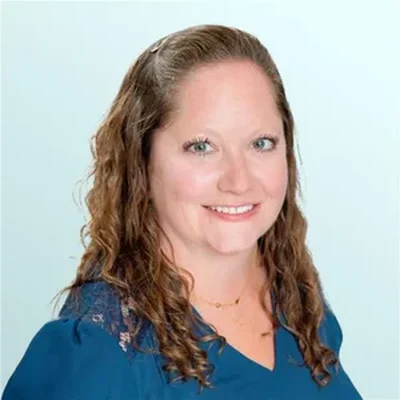
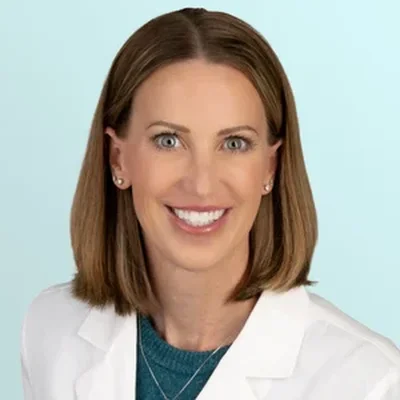
- Nurse practitioners and a nurse-midwife on the clinical team: Alisia Ortiz (WHNP-BC), Sarah Gallegos (CNM) and Kate Odenwald (ACNP-BC) perform IUIs, endometrial biopsies and cycle monitoring alongside the physicians — which is where most of your appointments actually land
- Monitoring hours built around real life: weekday labs and ultrasounds start at 7:00 AM, and weekends and holidays run 7:00-11:30 AM for ultrasounds and labs, so a stimulation cycle does not require leaving work at 6:30
- Prices you can read in advance: CCRM publishes Colorado self-pay ranges for IUI, IVF and egg freezing workup and cycles, and staffs financial counselors who verify benefits before treatment
- Telehealth first visits and a patient portal for results, medication instructions and scheduling
IVF & Fertility Services
- In Vitro Fertilization (IVF): stimulation with injectable medications, blood work and transvaginal ultrasound monitoring, transvaginal retrieval as an outpatient procedure, embryo culture, and transfer
- ICSI (Intracytoplasmic Sperm Injection): single-sperm injection for male factor infertility or prior fertilization failure
- PGT-A and PGT-M: screening embryos for chromosome number, and diagnostic testing for known single-gene conditions, run in-house at CCRM Genetics
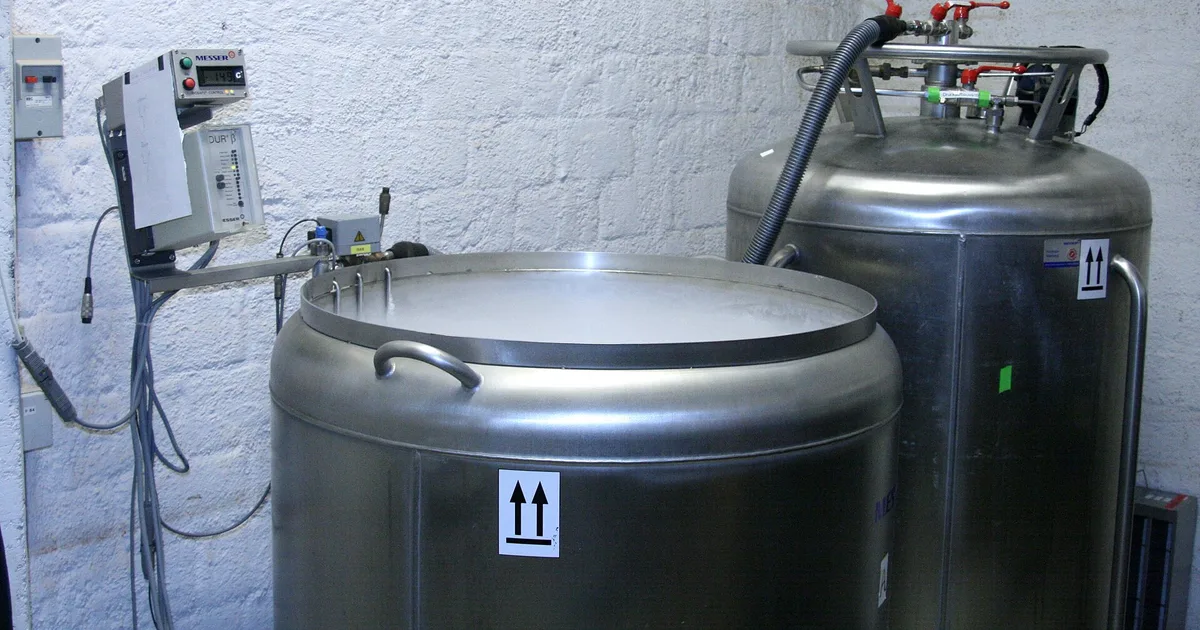
- Blastocyst culture and time-lapse imaging: embryos grown to the blastocyst stage with time-lapse culture monitoring, and vitrification (flash freezing) of eggs, embryos and sperm, with cryostorage held at CCRM
- Frozen embryo transfer: the default pathway for tested embryos, typically a later cycle than the retrieval
- IUI (intrauterine insemination): natural or stimulated cycles, with partner or donor sperm
- Egg freezing and fertility preservation: elective preservation, and preservation for patients facing chemotherapy or radiation
- Fertility testing: ovarian reserve assessment including AMH, hormone panels, uterine evaluation by ultrasound and hysteroscopy, semen analysis with DNA fragmentation testing, and communicable disease screening
- Donor eggs and donor sperm: matching through the CCRM National Egg Donor Database and the network’s donor egg bank
- Gestational carrier programs: screening and coordination for patients who need a carrier to carry the pregnancy
- LGBTQIA+ family building: reciprocal IVF, donor sperm and donor egg paths, and preservation before gender-affirming treatment
- Reproductive surgery: hysteroscopic and laparoscopic treatment of uterine and tubal pathology
- Second opinions and complex cases: protocols for poor responders and diminished ovarian reserve are a named research and clinical focus of the practice, and the group publishes on them
Fees & Packages
CCRM publishes self-pay estimates for its Colorado offices, including Lone Tree. Medications, testing and added procedures are what move a case from the bottom of a range to the top.
| Item | Published range |
|---|---|
| Diagnostic workup before IUI | about $1,490 |
| IUI cycle | $950-$4,305 |
| Diagnostic workup before IVF | about $4,165 |
| IVF cycle | $12,660-$30,780 |
| Diagnostic workup before egg freezing | about $1,725 |
| Egg freezing cycle | $5,500-$11,925 |
The IVF workup figure covers the new-patient consultation, ovarian reserve testing, uterine evaluation including ultrasound and hysteroscopy, sperm testing including DNA fragmentation, and basic communicable disease testing. The pre-IUI workup covers consultation, ovarian reserve testing, uterine evaluation and sperm testing.
The clinic accepts most major insurance plans — Cigna, Aetna, UnitedHealthcare and BlueCross BlueShield are named among them — and a financial counselor verifies benefits before treatment starts, which matters because coverage depends on your employer’s plan rather than on Colorado law. Colorado does require plans to cover fertility preservation for treatment-caused (iatrogenic) infertility; it does not require IVF coverage, though some large Colorado employers include IVF in their plans. Self-pay discounts and third-party financing are available, and the office takes Visa, Discover, MasterCard and American Express.
Patient Journey
- Book a consultation, in person or by telehealth. Out-of-state and international patients can complete the history and the testing plan on video before arranging travel
- Fertility testing: bloodwork and ultrasound for ovarian reserve (AMH in a fertile range runs roughly 1.5-4.0 ng/ml), uterine evaluation, and semen analysis. Testing is required before treatment is planned, not after
- Stimulation and monitoring: daily hormone injections, tracked with blood work and ultrasound from 7:00 AM on weekdays, with weekend morning hours for scans and labs. Injection training is offered through a virtual series the clinic runs for patients starting cycles
- Egg retrieval: an outpatient procedure under light sedation once follicles are mature. The full egg-freezing process takes about six weeks from assessment to frozen eggs
- Fertilization and culture: conventional insemination or ICSI in the lab, embryos grown to blastocyst, with time-lapse monitoring used to assess development
- Biopsy and genetic testing (optional): embryos destined for PGT are biopsied and tested at CCRM Genetics; our sources do not document the lab’s turnaround time, so ask for it when the biopsy is scheduled
- Frozen transfer and confirmation: a euploid embryo goes back in a later cycle as a single embryo transfer. Pregnancy is confirmed by a blood test after transfer, followed by an ultrasound at a later visit. Our sources do not give the timing for either step, so confirm the schedule with the clinic
- Storage and follow-up: remaining embryos, eggs or sperm stay in CCRM cryostorage, and obstetric referral is coordinated once a pregnancy is confirmed
Local Legal Framework
Colorado has no comprehensive assisted reproduction statute in the sources reviewed here, so the practical rules come from contract, clinic policy and court orders.
Gestational surrogacy is permitted, and Colorado courts issue parentage orders for intended parents — before or after birth depending on the case. Nothing in these sources names a governing statute, so if you plan to use a gestational carrier, retain a Colorado reproductive-law attorney before the transfer, not after.
Egg and sperm donation are legal and actively performed here, under written donor agreements covering medical screening, compensation terms and what contact information, if any, is released later. PGT-A and PGT-M face no state-level restriction beyond standard informed consent.
Embryos: no Colorado statute reviewed here defines an embryo’s legal status, and the two ways of describing it in clinic materials differ. What governs in practice is the disposition consent you sign when embryos are created — storage fees, who decides after a divorce or death, and whether unused embryos are donated, destroyed or kept. Read that document before signing it.
Insurance: Colorado requires coverage for fertility preservation when infertility is caused by medical treatment such as chemotherapy. Beyond that, whether IVF is covered is an employer-by-employer question, and financial counselors verify benefits before a cycle starts.
Location
- Address: 10290 RidgeGate Circle, Lone Tree, CO 80124
- Phone: (303) 788-8300