'%20d='m0%200%2016%2011h61%2061%2061%2061%2060L47%2037h61%2061%2060%2061L16%2063h61%2061%2061%2061%2060L47%2089h61%2061%2060%2061L16%20115h61%2061%2061%2061%2060L47%20141h61%2061%2060%2061L16%20166h61%2061%2061%2061%2060L47%20192h61%2061%2060%2061L16%20218h61%2061%2061%2061%2060z'/%3e%3c/svg%3e)


About Penn Fertility Care
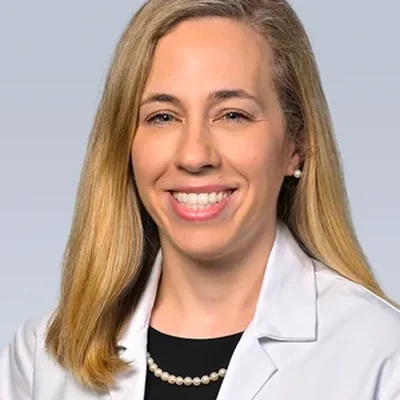
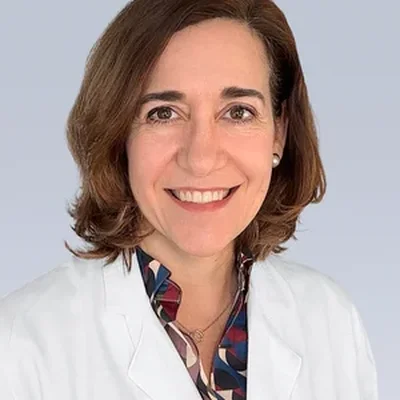
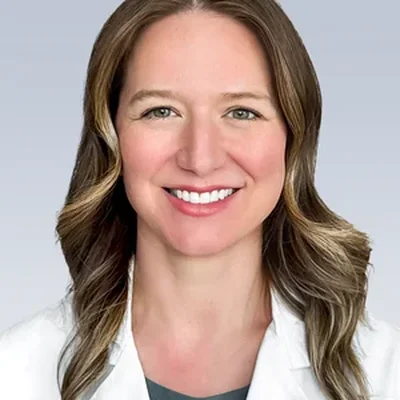
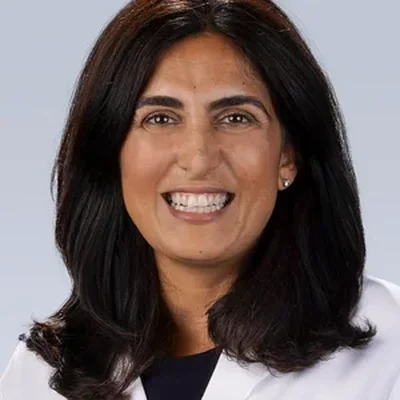
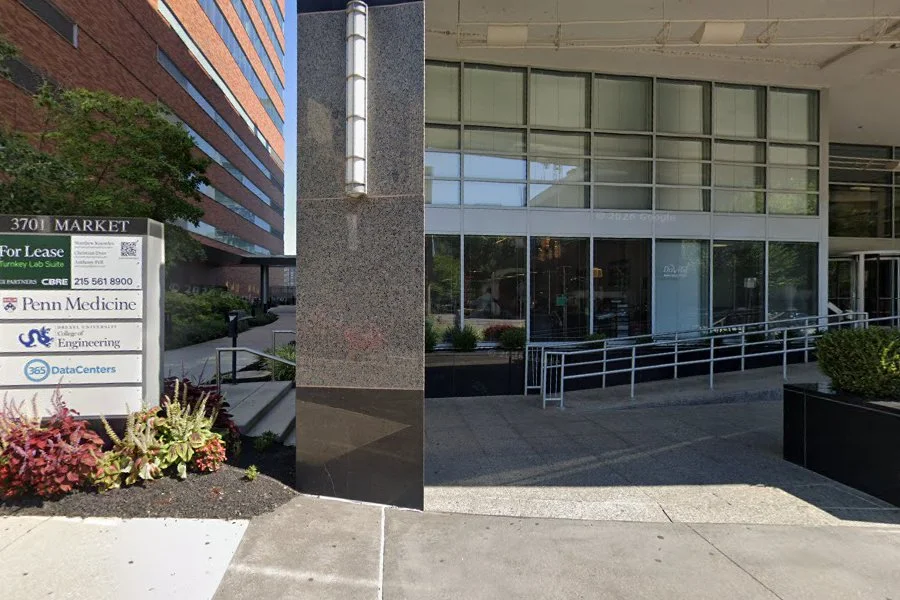
Penn Fertility Care is the fertility practice of the Perelman School of Medicine at the University of Pennsylvania, part of Penn Medicine. The main center sits at 3701 Market Street in University City, with additional offices at Washington Square and in Radnor. SART registers the practice as University of Pennsylvania - Penn Fertility Care, clinic number 0094. Clarisa R. Gracia, MD, MSCE is listed as medical and practice director; Dara S. Berger, PhD, HCLD directs the laboratory. Eleven reproductive endocrinology and infertility physicians are recorded here, and the service list in the SART record covers donor eggs, donor embryos, gestational carriers, egg and embryo freezing, PGD/PGS, ovarian tissue freezing, mental health services, and treatment for HIV-positive patients.
Our sources do not establish how long ART has been practiced at Penn. The registration number in this page’s record carries 1988, and the founding year field carries 1981, and neither is backed by a dated document we could reach: the clinic’s website sits behind an automated-access block, so this page makes no claim about being an early US program. Treat the year as an open question and ask the practice for its own history.
On results: the center reported 2,061 ART cycles for 2023 (SART Final, registration 0094). Live birth per intended retrieval, counting all embryo transfers, ran 57.7% under age 35 (246 cycles in that band), 46.4% at 35-37 (166), 32.2% at 38-40 (174), 16.3% at 41-42 (86) and 4.9% at 43 and older (41); the two oldest bands combine to 12.6% over 40. Weighting those five bands by their own cycle counts gives about 40.8% across all ages — that is our arithmetic on the published bands, not a figure SART reports as a single line. All four reported bands sit above SART’s 2023 national summary for the same registry and year, 53.2%, 39.9%, 26.2% and 9.4%, and the older-band leads come from the smallest denominators. Our record also carries a national per-clinic average of about 932 cycles for 2023; we do not turn that into a multiple, because that average is not one consistent number across our US data. Look at the size of each age group before treating any of these as a personal forecast, and pull the clinic’s own SART page for the full table.
Accreditations & Awards
- SART member clinic reporting cycles to SART and the CDC (clinic number 0094, 2023 Final report), so the outcomes above are independently checkable rather than self-published
- Two named professorships are documented in the physicians’ own profile records: Clarisa R. Gracia holds the Nancy and Richard Wolfson Professorship in Obstetrics and Gynecology, and Kurt T. Barnhart is the William Shippen, Jr. Professor of Obstetrics and Gynecology. Barnhart is also recorded as director of his school’s center for research in reproduction and women’s health and deputy director for reproductive medicine research
- Medical and practice director: Clarisa R. Gracia, MD, MSCE, the physician named on this clinic’s SART report, with Dara S. Berger, PhD, HCLD named as laboratory director
- Laboratory accreditation: not verified. Our sources could not confirm CAP or CLIA standing — the clinic’s website blocked automated access during data collection and the SART capture left its accreditation field blank. The registry record establishes SART membership only, so confirm lab certification directly when you tour
- Volume: 2,061 cycles reported for 2023 under this one registration. We do not express that as a multiple of a national per-clinic average; the average recorded across our US data is not one consistent figure
- What our sources do not carry for this clinic: no accreditation certificate numbers, no magazine or directory award list for the practice as a whole, and no documented program history dates
Why Choose Penn Fertility Care
- Above the national row in every reported age band, with the denominator shown: 246 cycles under 35 in 2023 at 57.7%, not a rounded marketing percentage
- A reproductive surgery center and an embryology laboratory of its own, with a named laboratory director in the SART record, so retrieval, freezing and transfer happen in-house rather than through an outside facility
- Preservation options on the registered service list: egg, embryo and ovarian tissue freezing, all three filed as services of this clinic
- Third-party reproduction handled routinely: donor egg, donor embryo and gestational carrier programs are all on the clinic’s registered service list
- A PCOS program inside the division, directed by one of the eleven physicians on the roster
- Research administration in the same department: the physicians’ own records place one of them at the head of the school’s center for research in reproduction and women’s health and as deputy director for reproductive medicine research, which is where trial access comes from
- Three Philadelphia-area locations, so monitoring scans do not always mean a trip to University City
- Support services listed in the registry record, including mental health services and treatment for HIV-positive patients
- Not documented in our sources: an accredited laboratory certificate, per-physician outcomes, published prices, a program founding date, and the existence of specific sub-programs other pages sometimes credit to this division
IVF & Fertility Services
What follows is limited to what the SART service list and this clinic’s own record document. The registry does not publish cycle-level detail for every line, so ask how each service is run before you plan around it.
- In Vitro Fertilization (IVF): stimulation, monitoring, transvaginal retrieval, fertilization and embryo transfer, with the laboratory on site
- ICSI: injected fertilization, filed with IVF among this clinic’s registered services
- PGT: the registered service list carries PGD/PGS, i.e. genetic testing of embryos before transfer
- Egg freezing: egg cryopreservation is on the registered service list, for preservation before treatment that risks fertility and for patients planning later
- Embryo freezing and frozen embryo transfer: embryo cryopreservation is on the same list. In the 2023 report, transfers of previously frozen embryos filed as additional transfers produced a live birth rate of 45.6% under 35 (103 thawed transfers) and 48.9% at 35-37 (94)
- Ovarian tissue cryopreservation: also on the registered service list — rarer than egg or embryo banking, and worth asking about directly, since our sources give no volume or indication detail for it
- Donor eggs and donor embryos: 2023 volumes were small — six frozen donor-egg starts, 56 transfers of thawed donor embryos at a 50.0% live birth rate, and ten donated-embryo transfers. Ask how many donor cycles the program runs in a typical year before you plan around it
- Gestational carrier programs: listed as a registered service; the legal work around a carrier is the patient’s own responsibility
- Reproductive surgery: the practice record describes a reproductive surgery center of its own, alongside the embryology laboratory. Our sources name no specific procedures, so bring your diagnosis to the consultation and ask what is done here
- PCOS care: a PCOS program is documented inside the division
- Male infertility evaluation: listed among the services this clinic provides
- Mental health services: listed on the registered service list
Fees & Packages
There is no published price list. Our sources for this clinic record the fee section as unpublished — no cycle price, no medication price, no package — so any figure you are given verbally should come back to you in writing.
- Insurance: what an employer plan pays varies, and our sources document no Pennsylvania statute that mandates infertility coverage for most plans. Ask your carrier for a written benefits determination before medications start, and note the name of the person who confirms it.
- What to ask, since it is not published here: what a cycle fee includes, which items bill separately (monitoring, anesthesia for retrieval, freezing and storage, biopsy and laboratory work are the usual candidates at any clinic), what medication costs run on the protocol proposed for you, and whether any discount or financing route applies.
- Third-party programs: donor-egg, donor-embryo and gestational-carrier paths involve agencies and lawyers outside the clinic. Our sources do not say which of those fees sit inside or outside a cycle price here, so get the split in writing before a matching fee is paid.
Patient Journey
The registry and the service record document what this practice does, not how long each step takes. No stimulation length, retrieval timing or test interval is published in our sources, so the steps below carry no day counts on purpose.
- Start the file. Call or book online; a first consultation can be held by telemedicine, which is the practical route for out-of-state and international patients
- Baseline testing: hormone panels, ovarian reserve assessment including AMH and antral follicle count, semen analysis where a partner is involved, and imaging of the uterine cavity. Our sources do not state how long results take
- Plan review with a physician, using this clinic’s own reported outcomes for your age band rather than a network average
- Stimulation and monitoring by bloodwork and ultrasound, with a trigger date set from follicle growth and hormone levels
- Retrieval, transvaginal, followed by fertilization — conventional insemination or ICSI — in the on-site laboratory. Our sources do not state the anesthesia used or the culture length chosen
- Freezing and testing: embryo biopsy where PGT is elected, and cryopreservation of eggs, embryos or ovarian tissue, all listed services here. Ask when extra banking time is scheduled into the cycle
- Transfer and confirmation: a fresh or frozen transfer, then a blood pregnancy test. Ask for the interval in writing; our sources give none, and progesterone support length is likewise unpublished here
Local Legal Framework
Pennsylvania’s rules for assisted reproduction are thin in what we could reach: the legal record on this page points to case law rather than a dedicated statute, and our sources name no Pennsylvania ART code section. Read the bullets below as a starting point for a conversation with a lawyer, not as a summary of the law.
- No comprehensive state statute on ART is documented in our sources, which cuts both ways: no state restriction on IVF, embryo freezing or PGT is recorded, and no statutory parentage or contract framework either
- Gestational carriers: this page’s legal record states that Pennsylvania permits good-faith gestational carrier agreements, enforced through case law rather than a dedicated statute, and that Penn Fertility Care provides carrier services while the legal arrangements remain the patient’s responsibility. Independent reproductive-law counsel, for each side, before a cycle
- Donation: donor egg and donor embryo programs are on this clinic’s registered service list. Our sources name no Pennsylvania statute governing donor anonymity or parentage for donors, so put information rights in the agreement
- Coverage: our sources document no Pennsylvania mandate that most health plans cover infertility treatment
- Clinic policy fills the gap: age cutoffs, embryo disposition and storage rules are set by the clinic, not by state code in what we could reach. Confirm them in writing at consultation, and read the disposition consent before embryos are created
Location
- Address: 3701 Market St, 8th Floor, Suite 800, Philadelphia, PA 19104
- Phone: +1 800-789-7366