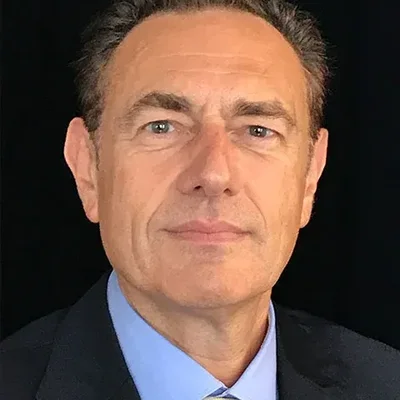
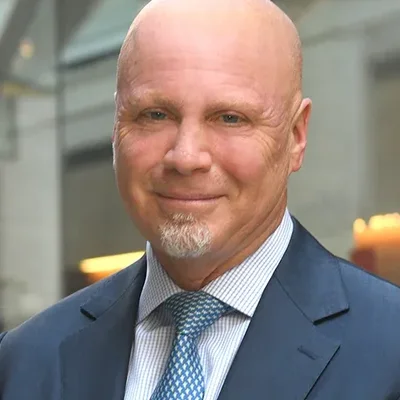
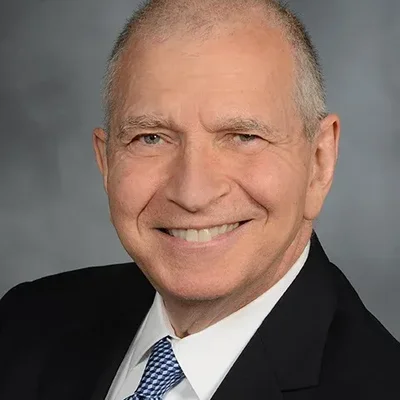
'%20d='m0%200%2016%2011h61%2061%2061%2061%2060L47%2037h61%2061%2060%2061L16%2063h61%2061%2061%2061%2060L47%2089h61%2061%2060%2061L16%20115h61%2061%2061%2061%2060L47%20141h61%2061%2060%2061L16%20166h61%2061%2061%2061%2060L47%20192h61%2061%2060%2061L16%20218h61%2061%2061%2061%2060z'/%3e%3c/svg%3e)


About Weill Cornell Center for Reproductive Medicine
The Ronald O. Perelman and Claudia Cohen Center for Reproductive Medicine (CRM) is the Department of Reproductive Medicine within Weill Cornell Medicine, practicing alongside NewYork-Presbyterian Hospital. Founded in 1988 and based since 2007 on the 6th floor of the Weill Greenberg Center at 1305 York Avenue on Manhattan’s Upper East Side, the center counts more than 33,000 children born from its IVF cycles. Newsweek ranked it #1 in its America’s Best Fertility Centers lists for both 2023 and 2024.
The center’s name comes up in the history of the field itself. In 1992, CRM’s Gianpiero Palermo, M.D. first reported intracytoplasmic sperm injection (ICSI), the technique that made severe male factor infertility treatable and is now the most used assisted reproductive technology worldwide. CRM also built one of the first donor egg programs in the United States, and the center states that several fertility treatments in routine use internationally were developed by its physicians and scientists.
Volume backs the credentials. In SART 2023 reporting, CRM completed 6,846 ART cycles against a national clinic average of roughly 873. The center’s SART 2023 Final live birth figures stand at 43.1% for patients under 35, 34.5% at 35-37, 24.6% at 38-40, and 9.3% over 40; because reporting denominators differ between datasets, the center directs patients to its published SART summary report and to their physician to interpret what the numbers mean for a specific case.
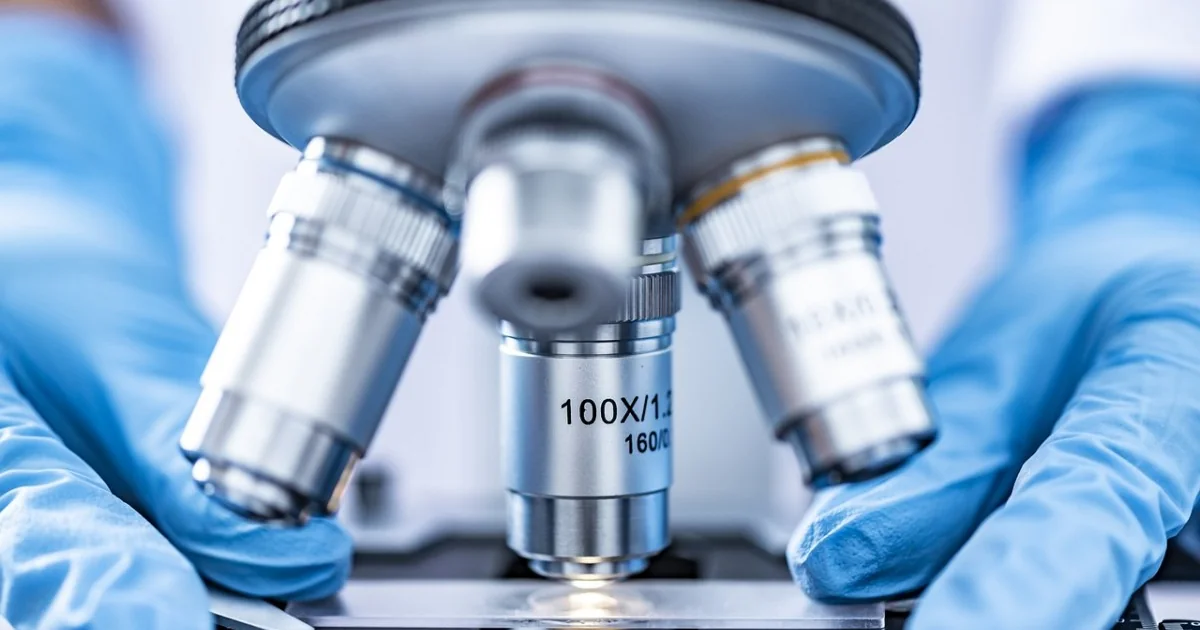
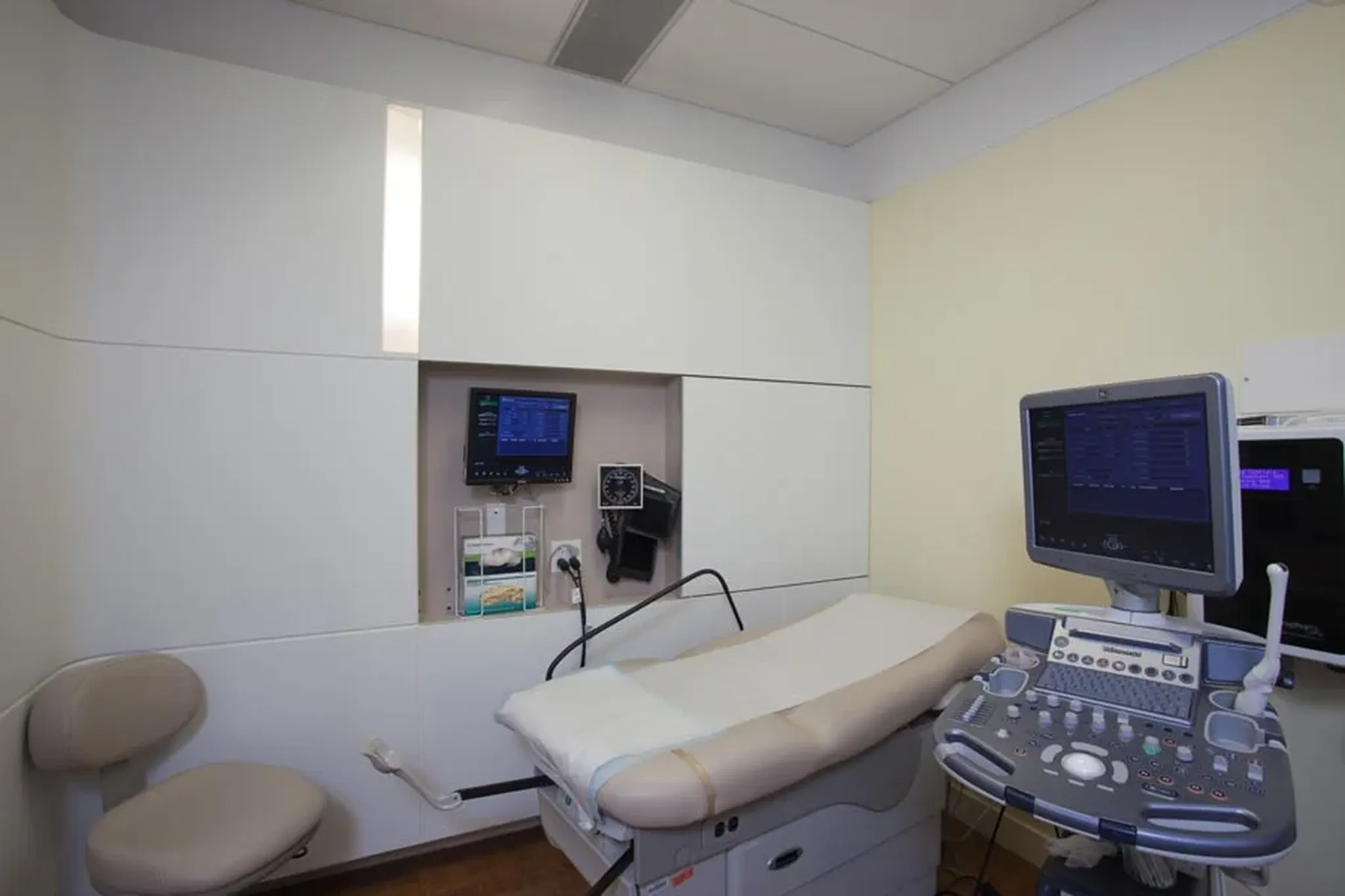
CRM runs its practice as an academic department: 30 examination and consultation rooms, on-site blood draw, clinical laboratories that perform semen analysis, preimplantation genetic testing and ICSI micromanipulation in house, and a reproductive endocrinology and infertility (REI) fellowship that the center describes as one of the most prestigious in the country — its former fellows now lead programs at academic medical centers in the US and abroad. Patients see physicians at the Upper East Side flagship plus offices at East 68th Street, Tribeca, Brooklyn, Garden City on Long Island, Mount Kisco in Westchester, and Southampton.
Accreditations & Awards
- Newsweek #1: top-ranked in America’s Best Fertility Centers in 2023 and 2024
- CAP-accredited embryology laboratory and CLIA-certified on-site clinical laboratory
- SART member clinic submitting cycle data to SART and the CDC, so outcomes are independently verifiable
- Birthplace of ICSI: Dr. Gianpiero Palermo’s 1992 report of the technique; he remains Director of Assisted Fertilization and Andrology
- Pioneering donor egg program, among the first in the United States
- Physicians are board-certified by the American Board of Obstetrics and Gynecology in OB/GYN and Reproductive Endocrinology and Infertility
- National leadership in the field: Dr. Glenn Schattman served as President of SART (2011-2012) and chaired its Practice Committee (2004-2009); Director Zev Rosenwaks, M.D. has led SART, the International IVF Society and the New York Obstetrical Society
- Maurice R. Greenberg Distinguished Service Award (2012) — Weill Cornell Medicine/NewYork-Presbyterian’s highest honor, awarded to Dr. Rosenwaks
- Castle Connolly / New York Magazine “Top Doctors”: Dr. Rosenwaks has been listed continuously since 1998; other CRM physicians appear in these listings in our source, without a stated year range
Why Choose Weill Cornell CRM
- The lab is the differentiator: CAP/CLIA-accredited work performed in house — semen analysis, ICSI micromanipulation, PGT — rather than shipped out, with EmbryoScope time-lapse culture and vitrification for eggs and embryos
- Complex and male-factor cases go here for a reason: the center’s own materials note that many patients arrive after unsuccessful treatment elsewhere, and the ICSI program it created anchors deep experience with severe male infertility, including an adjacent Center for Male Reproductive Medicine & Microsurgery for surgical sperm retrieval consultations
- Academic medicine with a research pipeline: mice-sperm-in-a-dish and other frontier projects publish from these labs, and the REI fellowship trains the next generation of reproductive specialists in micromanipulation
- Cycle support built in: on-site psychological services, plus patient coordinators and financial coordinators who handle scheduling logistics and insurance questions; current patients reach an on-call physician after business hours
- Six offices across the metro area: two on the Upper East Side, Tribeca, Brooklyn, Garden City, Mount Kisco and seasonal Southampton coverage
- Language access: our sources do not document staff language coverage; individual physician profiles state their own languages where the Center lists them (Chinese, Spanish, Arabic, French, Italian)
IVF & Fertility Services
- In Vitro Fertilization (IVF): individualized stimulation protocols, transvaginal egg retrieval, embryo culture with time-lapse monitoring, fresh or frozen transfer
- ICSI (Intracytoplasmic Sperm Injection): single-sperm injection for male factor infertility and prior fertilization failure — the technique first reported at this center
- Ovulation induction with IUI: medication-supported cycles with intrauterine insemination for mild or unexplained infertility
- Preimplantation genetic testing (PGT-A / PGT-M): embryo screening for chromosome number and single-gene disease, with biopsy and lab work handled on site
- Donor eggs: long-running donor egg program with both anonymous and directed arrangements
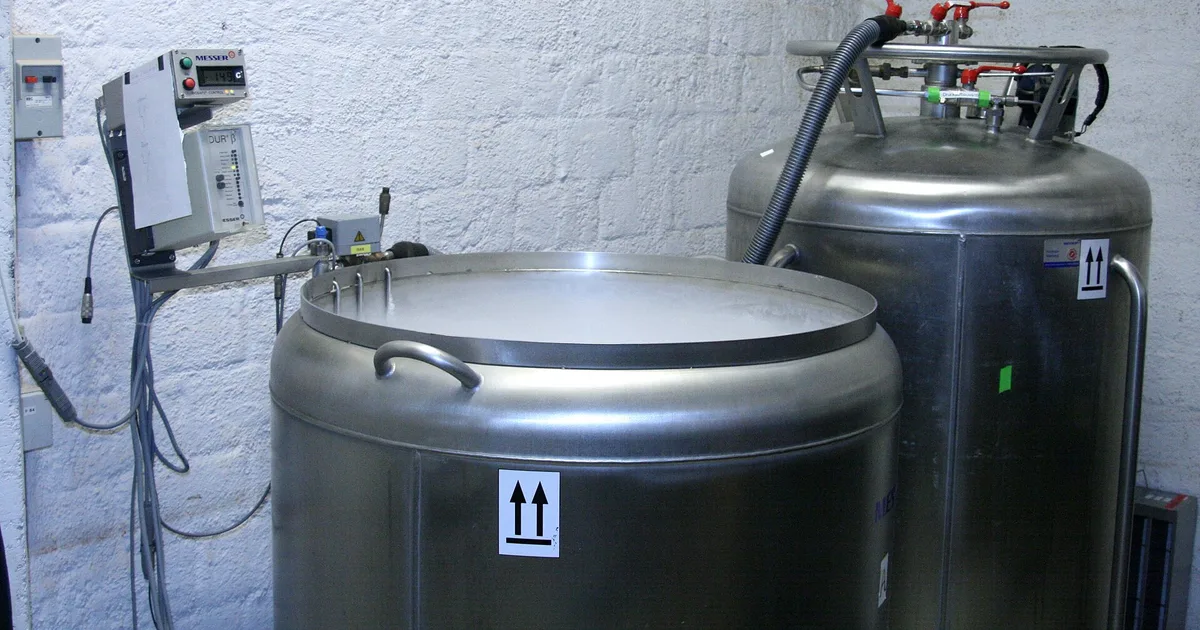
- Egg, embryo and sperm freezing: elective and medical fertility preservation, including preservation before chemotherapy or radiation; dedicated andrology laboratory storage for partner and donor sperm
- Fertility surgery: hysteroscopic and laparoscopic treatment of uterine, tubal and endometriosis-related causes of infertility
- Male infertility evaluation: semen analysis in the on-site lab, hormone assessment, and reproductive urology consultation through the Center for Male Reproductive Medicine & Microsurgery
- Third-party reproduction and LGBTQ+ family building: donor sperm, donor eggs and gestational carrier pathways under New York’s 2021 parentage framework
- Psychological services: counseling and stress-management programming embedded in the treatment team rather than referred out
Fees & Packages
There is no published price list. The center staffs dedicated financial coordinators who walk patients through insurance benefits and self-pay costs before a cycle begins; several physicians participate with major plans including Cigna, Aetna, Empire Blue Cross/Blue Shield, Oxford and UnitedHealthcare, so verify your policy’s fertility and diagnosis codes in advance. Ask for line-item numbers for monitoring, retrieval, anesthesia, ICSI, PGT biopsy and per-cycle storage fees when you meet the coordinator.
Patient Journey
- Request information and consult: new patients submit a request form or call the main line; a patient coordinator helps assemble outside medical records ahead of the first visit
- Fertility evaluation: hormone panels with on-site blood draw, ultrasound, and semen analysis in the andrology lab; physicians review the likelihood of success for your specific history in detail before anything is scheduled
- Consent and cycle planning: treatment consent packets (IVF, egg freezing, frozen embryo transfer, donor sperm, storage) are signed by both partners before each cycle and can be returned to the office in advance
- Preparation classes: IVF class slides and a pre-op video walk patients through the cycle; injection teaching follows the individualized calendar
- Stimulation and monitoring: injectable protocols tailored to ovarian reserve, tracked with blood work and ultrasound at the office nearest you
- Retrieval and fertilization: transvaginal egg retrieval in the hospital suite where transfers are also performed; conventional IVF or ICSI, embryo culture with time-lapse imaging, optional PGT
- Transfer, testing and follow-up: fresh or frozen transfer and ongoing follow-up; current patients can reach an on-call physician after hours, and lab results and messages run through the Weill Cornell Connect patient portal
Local Legal Framework
Surrogacy. Our New York records cover one statute: the Child-Parent Security Act, passed in 2021, legalizes commercial surrogacy in New York and allows intended parents to obtain parentage orders before birth. Beyond that sentence our sources do not identify statute numbers or the law’s contract mechanics, so have New York counsel confirm the current requirements before you act on any surrogacy arrangement.
Egg and sperm donation. Our source records donation as regulated under New York Public Health Law Article 28, with written donor agreements required. CRM’s donor egg program is described in the center’s own materials as the first in the United States.
PGT. Our source notes no special legal restriction on PGT-A or PGT-M in New York.
Embryo legal status. Our source describes New York’s position on embryo legal status as not yet settled, with disposition and use determined through the reproductive agreements patients sign — which is why the paperwork before each cycle is explicit about what happens to unused embryos.
LGBTQ+ family building. Our source records that New York law protects the reproductive rights of LGBTQ+ people.
Location
- Address: 1305 York Avenue, 6th Floor, New York, NY 10021
- Phone: (646) 962-2764