'%20transform='translate(88%20-32)'%3e%3cpath%20fill='%23fff'%20d='M-128%2032h720v480h-720z'/%3e%3ccircle%20cx='523.1'%20cy='344.1'%20r='194.9'%20fill='%23bc002d'%20transform='translate(-168.4%208.6)scale(.76554)'/%3e%3c/g%3e%3c/svg%3e)

Kato Ladies Clinic — Shinjuku, Tokyo IVF & Fertility Center
About Kato Ladies Clinic
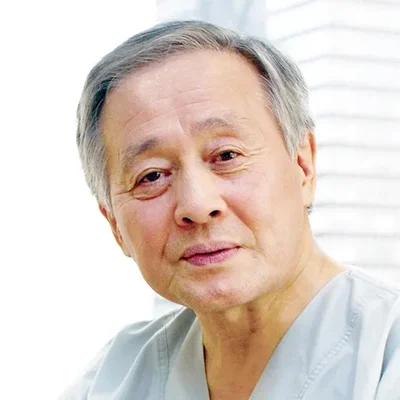
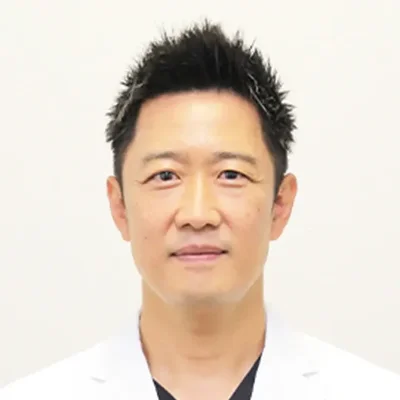
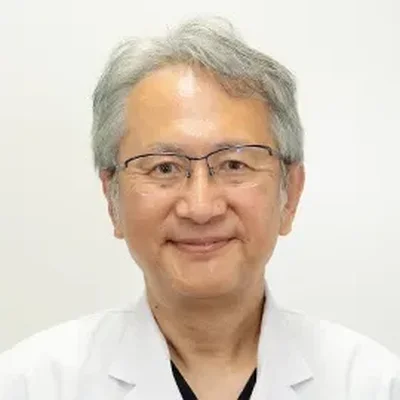
Kato Ladies Clinic (KLC) is an IVF and infertility specialty clinic in Nishi-Shinjuku, Tokyo, founded in 1993 by the late Dr. Osamu Kato and led today by Director Dr. Keiichi Kato. The clinic’s guiding philosophy — “gentler and more natural” — centers on natural-cycle and minimal-stimulation IVF, using little or no ovulation-induction medication so that treatment works with each patient’s own cycle rather than against it.
KLC is one of the highest-volume single-site fertility centers in the world. The clinic reports 20,115 ART cycles per year (reference figure, clinic data) and 70,193 babies born through its treatment between 2000 and 2023 (clinic data). Its embryology laboratory posted a fertilization rate of 89.5% and a blastocyst development rate of 67.7% in 2024 (clinic data). Japan does not operate a CDC- or HFEA-style public success-rate registry; KLC publishes laboratory outcomes and cumulative birth figures on its official results page instead, and notes that pregnancy rates vary by age and protocol.
The clinic is part of the Eikou (Towako) reproductive medicine group and operates a dedicated international patient service, including consultation support in Chinese and English.
Accreditations & Awards
- JSOG-registered facility: adheres to the ethics guidelines and mandatory ART reporting system of the Japan Society of Obstetrics and Gynecology (source: JSOG)
- Multiple JSOG board-certified obstetricians and gynecologists on staff, including the director and all clinical department heads (source: clinic physician directory)
- Japan Society for Reproductive Medicine certified reproductive medicine specialists on staff, including Dr. Keiichi Kato, Dr. Hiroyuki Yamasaki, Dr. Junichiro Fukuda and Dr. Hiroshi Fujita (source: clinic physician directory)
- Clinical genetic specialists (Japan Society of Human Genetics) support the clinic’s PGT and genetic counseling program — Director Dr. Keiichi Kato is a board-certified clinical geneticist (source: clinic physician directory)
- Leadership roles in the field: the director serves on the board of the Japan Fertility and Implantation Society and as vice-chairman of Japan A-PART; both ASRM and ESHRE member (source: clinic physician directory)
- Cumulative outcome benchmark: 70,193 babies born 2000–2023 (source: clinic official website)
Why Choose Kato Ladies Clinic
- 365-day care, including weekends, holidays and year-end/New Year — consultations open from 7:30 a.m. and run until 7:00 p.m. on weekdays (source: clinic official website). Round-the-year scheduling exists precisely so natural-cycle treatments can track ovulation whenever it occurs, without waiting for clinic opening days
- Minimal-stimulation, natural-cycle expertise: treatment designed to reduce medication, protect the patient’s own cycle, and lower the physical and emotional burden of IVF; avoiding aggressive stimulation also means no ovarian hyperstimulation syndrome (OHSS) risk profile typical of high-dose protocols (source: clinic official website)
- Laboratory quality you can measure: 89.5% fertilization and 67.7% blastocyst development in 2024 (source: clinic official website, 2024 laboratory data)
- Original ultra-thin egg retrieval needle: developed in-house by KLC to cut pain and bleeding, making egg retrieval possible without general anesthesia (source: clinic official website)
- Time-lapse culture for all embryos: every fertilized egg is incubated in a time-lapse system inside a strictly controlled clean room, so embryologists can assess development without removing embryos from the incubator (source: clinic facility description)
- Proven track record at scale: over 70,000 babies born through the clinic’s program since 2000 (source: clinic official website)
- International patient support: a dedicated channel for overseas patients, Chinese-language services, and appointment booking from abroad (source: clinic official website)
IVF & Fertility Services
- Natural-cycle and minimal-stimulation IVF (clinic core program)
- Fresh embryo transfer (same-cycle transfer)
- Frozen-thawed embryo transfer (FET) in a later cycle
- ICSI (intracytoplasmic sperm injection / microinjection)
- Blastocyst culture
- Time-lapse embryo monitoring and culture
- PGT-A and PGT-SR (preimplantation genetic testing for aneuploidy and structural rearrangements, under JSOG guidance)
- Testing and treatment for recurrent implantation failure (RIF)
- Fertility preservation for cancer patients facing chemotherapy or radiotherapy
- Egg freezing (including for single women; self-pay when not medically indicated)
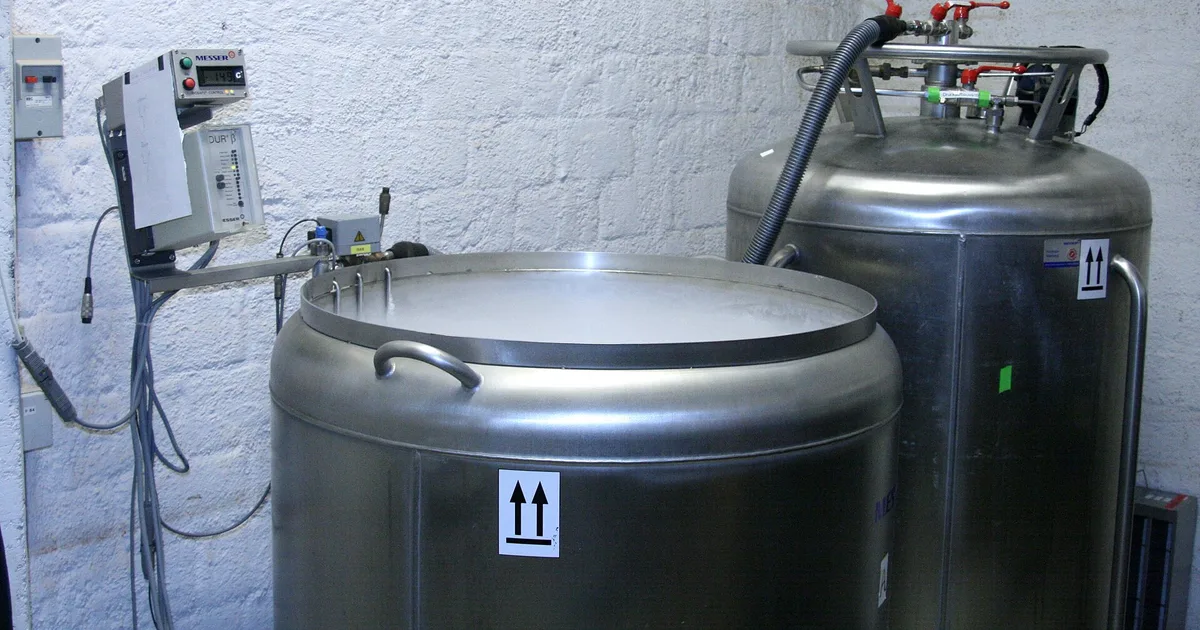
- Embryo, egg and sperm cryopreservation using the vitrification (Cryotop-type) method with newer-generation freezing/thawing solutions
- Sperm freezing: ¥5,500 (~US$37) per sample processing, plus ¥5,500 (~US$37) per sample per year storage (source: clinic self-pay price list)
- Preconception check-up program (KLC fertility check-up)
- Second-opinion infertility consultation clinic
- Nurse counseling service
Since April 2022, most standard infertility treatments in Japan are covered by national health insurance, and KLC also provides insured care; advanced options such as PGT-A and elective egg freezing remain self-pay.
Fees & Packages
Self-pay reference prices published by the clinic (April 2026 medical fee revision applies; USD conversions at ~¥150 = US$1, source: clinic official price list):
- First visit (woman): about ¥12,469 (~US$83) including first-visit fee ¥3,097 and basic tests (infectious disease screening, ultrasound, prolactin, peripheral blood, urine) ¥9,372. Optional add-ons: hormone panel (E2, LH, P4, FSH) ¥2,200 each, thyroid (TSH, FT4) ¥1,430 each, chlamydia IgG ¥1,650, cervical cancer screening ¥3,520, AMH ¥6,600
- First visit (man): ¥7,827 (~US$52) consultation with infectious disease screening; ¥8,927 (~US$59) including semen analysis
- Fresh embryo transfer plan: about ¥400,000 (~US$2,700) total — retrieval day ≈¥280,000 (~US$1,870, including ¥40,000 consumables paid in cash, first-time retrieval ¥154,000, sperm preparation and insemination ¥88,000) plus transfer day ≈¥120,000 (~US$800, culture and transfer fees)
- Frozen-thawed embryo transfer plan: about ¥550,000 (~US$3,700) total — retrieval cycle ≈¥420,000 (~US$2,800, including embryo freezing) plus thawed-transfer cycle ≈¥130,000 (~US$870; frozen embryo transfer fee ¥132,000)
- ICSI surcharge: ¥33,000 (~US$220) for up to 3 eggs; ¥66,000 (~US$440) for 4 or more
- Blastocyst culture: ¥77,000 (~US$510)
- Embryo freezing: ¥55,000 (~US$370) for up to 3 embryos; ¥77,000 (~US$510) for 4 or more
- New embryo storage (12 months): ¥39,600 (~US$265)
- Optional add-ons: zona drilling (assisted hatching) ¥11,000; high-concentration hyaluronic acid culture medium ¥11,000; artificial oocyte activation ¥5,500; physiological ICSI sperm selection using hyaluronic acid binding ¥27,500
- Treatment discontinuation fee: ¥5,500 × number of treatment days
Insurance-covered protocols from April 2022 cost substantially less for eligible patients; final quotes depend on protocol and are confirmed in clinic.
Patient Journey
- Online first-visit booking: reserve a first appointment through the clinic’s web reservation system; a web-based information session covers treatment, fees and clinic routines
- First visit (10th floor reception): physician consultation, baseline tests — infectious disease screening, transvaginal ultrasound, blood work at the on-site testing center — then a treatment plan briefing
- Partner visit: the husband/partner must complete his own consultation before the first egg retrieval
- Cycle start (around day 3 of menstruation): hormone tests and ultrasound monitoring; for natural and minimal-stimulation cycles, monitoring frequency follows the patient’s own follicle growth, supported by 365-day opening hours
- Egg retrieval (7th/8th floor operating suite): usually completed in minutes through the KLC original thin needle, without general anesthesia; patients watch the procedure on a monitor if they wish and rest in an adjacent relaxation room
- Fertilization and culture: insemination or ICSI in the embryology clean room; all embryos are observed in time-lapse incubators
- Transfer or freezing: fresh embryo transfer in the same cycle, or vitrified for a frozen-thawed transfer in a later cycle; PGT-A counseling is available in the dedicated consultation room
- Pregnancy test and follow-up: blood test about two weeks after transfer; on confirmation of fetal heartbeat, patients “graduate” from the clinic and transfer to an obstetric hospital
- Return visits: touch-screen self check-in kiosks on the 4th floor print your queue number and destination floor; the KLC app manages appointments and cycle records
Local Legal Framework
IVF, ICSI, frozen embryo transfer, PGT-A and egg freezing are legal and widely practiced in Japan. Since April 2022, mainstream infertility treatments have been covered by national health insurance, while non-medical egg freezing and PGT-A remain self-pay. ART practice is governed by the ethics guidelines of the Japan Society of Obstetrics and Gynecology (JSOG): donor eggs and donor sperm programs and commercial surrogacy are prohibited, PGT-A is performed under JSOG rules for defined indications, and clinics report cycle outcomes to a national registry. Tokyo residents can apply for the Tokyo Metropolitan Government infertility treatment subsidy on top of insurance coverage, and many municipalities and employers run additional grant programs (source: clinic grants information page). Japanese law does not assign embryos explicit legal personhood.
Location
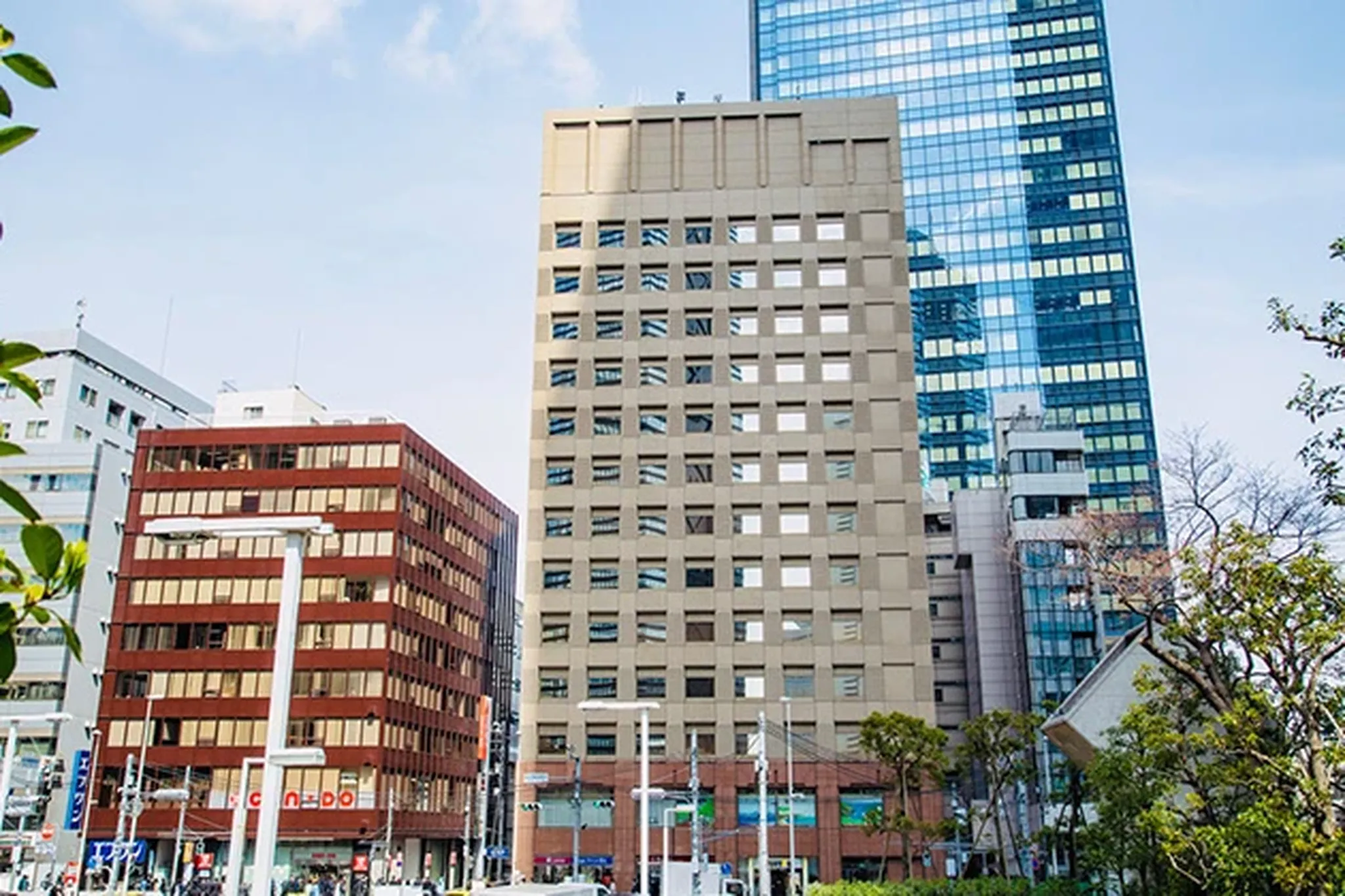
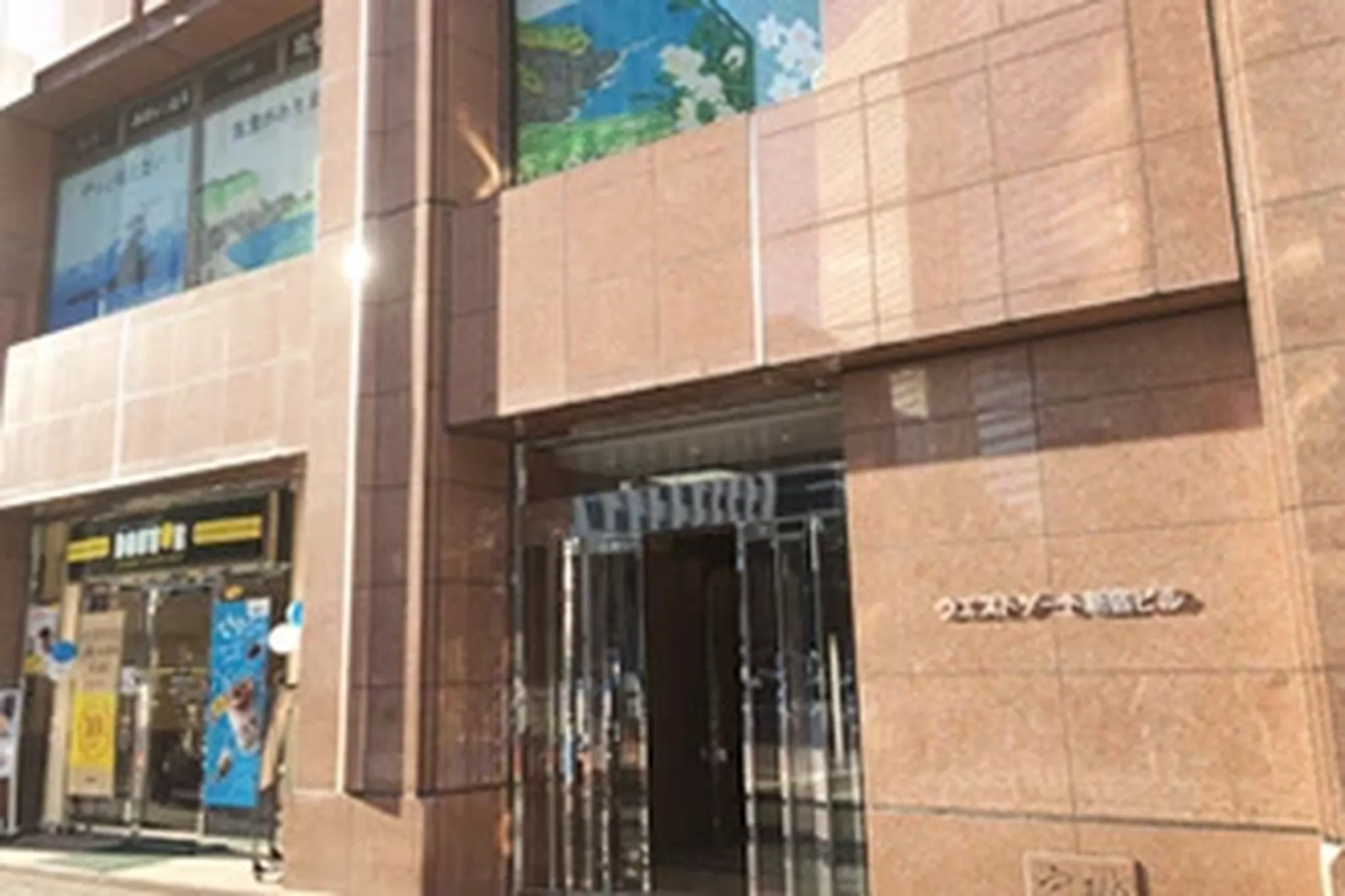
West Gate Shinjuku Building (floors 4–13), 3-20-3 Nishi-Shinjuku, Shinjuku-ku, Tokyo 160-0023, Japan
- Phone: +81-3-3366-3777
- Hours: Monday–Friday 07:30–12:00 and 15:00–19:00; Saturdays, Sundays and public holidays 07:30–13:00 (open 365 days; afternoons closed on weekends and holidays)
- Getting there: the building sits in west Shinjuku, a short walk from Shinjuku Station’s west side; the clinic occupies a full multi-floor tower block with reception for first visits on the 10th floor and follow-up reception on the 4th floor
- Free Wi-Fi, power outlets and phone charging in the waiting lounge; wheelchair-accessible facilities and in-house pharmacy