'%20d='m0%200%2016%2011h61%2061%2061%2061%2060L47%2037h61%2061%2060%2061L16%2063h61%2061%2061%2061%2060L47%2089h61%2061%2060%2061L16%20115h61%2061%2061%2061%2060L47%20141h61%2061%2060%2061L16%20166h61%2061%2061%2061%2060L47%20192h61%2061%2060%2061L16%20218h61%2061%2061%2061%2060z'/%3e%3c/svg%3e)


About Northwestern Medicine Center for Fertility and Reproductive Medicine
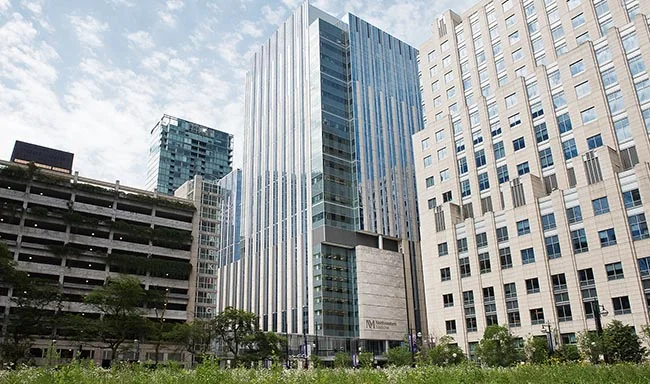
This is the fertility arm of an academic medical center, not a standalone private clinic. Northwestern Medicine Center for Fertility and Reproductive Medicine operates out of Feinberg School of Medicine at 259 E. Erie Street in Streeterville, with satellite offices in Geneva, Highland Park and Oakbrook Terrace, and admits patients through Northwestern Memorial Hospital, which U.S. News & World Report ranks nationally in Obstetrics & Gynecology. Our sources do not date when this program began; 1988 appears in our record only as the registration number on file and as one physician’s internship year, and neither dates the program, so this page makes no founding-year claim.
One thing to fix before you read any number on this page: the cycle data is filed under a single SART registration, and that registration is not this address. SART’s clinic search lists ClinicPKID 2204 under the name Northwestern - Highland Park, at 600 Central Avenue in Highland Park. It is a group-level reporting entity for the Northwestern Medicine fertility program, so every percentage and cycle count below describes that registered unit, not the Erie Street clinic taken on its own.
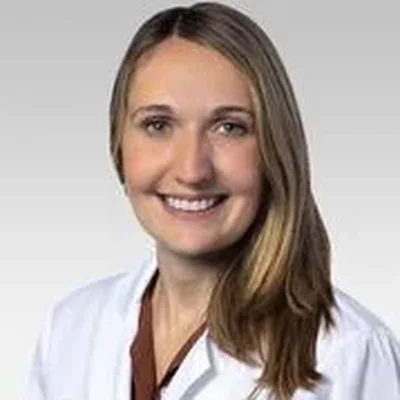
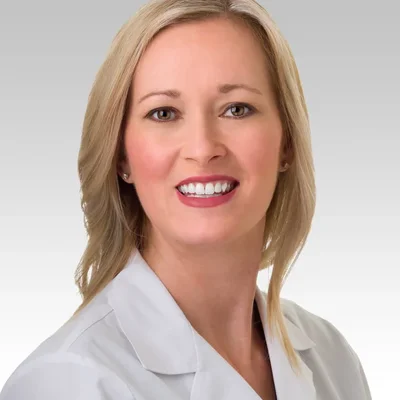
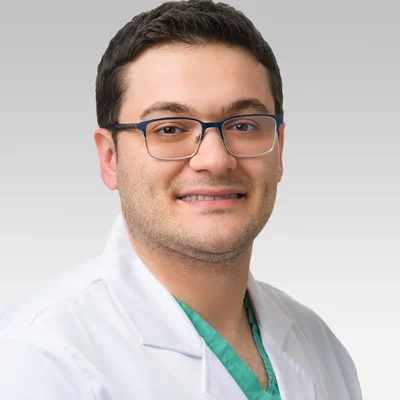
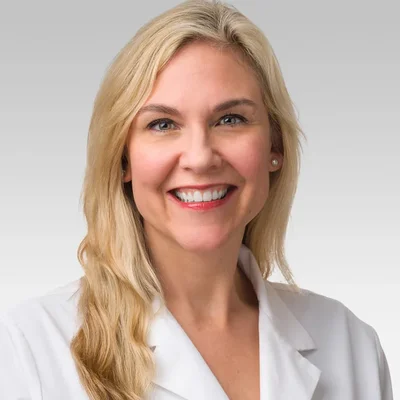
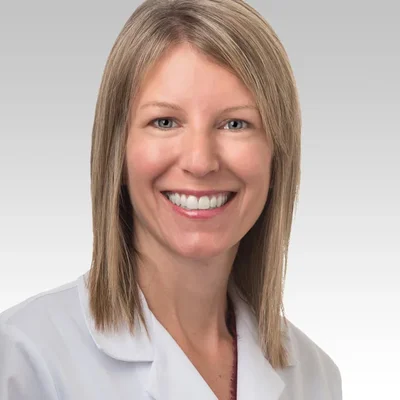
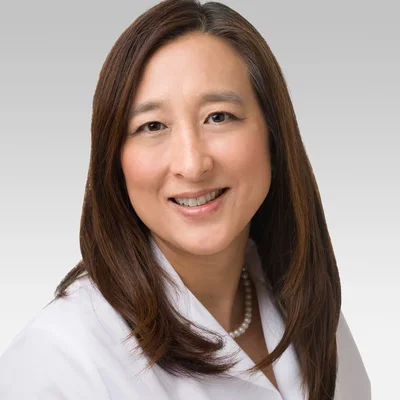
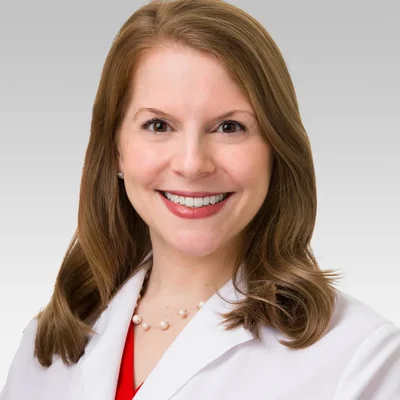
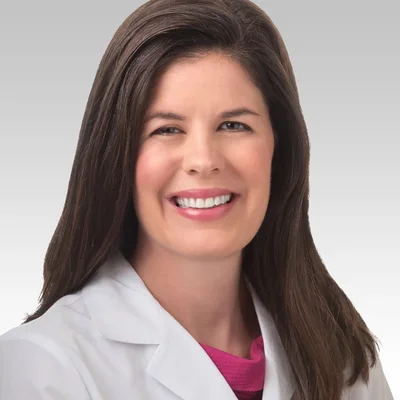
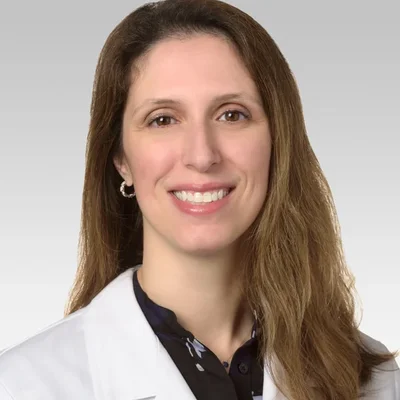
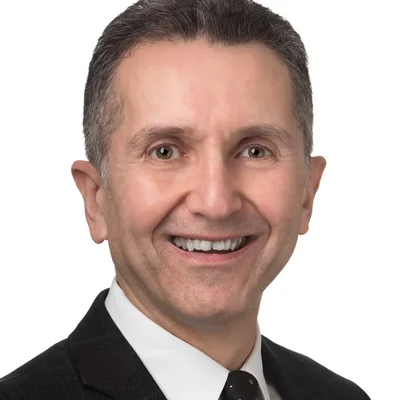
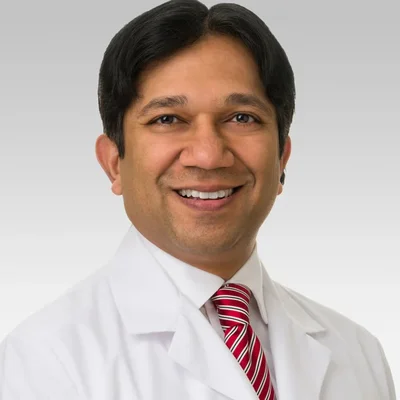
Twelve reproductive endocrinologists practice here, alongside a laboratory director, in-house clinical psychologists, two genetic counselors, and a group of nurse practitioners and physician assistants who run monitoring and follow-up. Fellows in the REI training program rotate through the same clinic, which means protocols here track the published literature closely — and that most cases you present have been seen many times over by the person in the room.
The center’s research is funded substantially by NIH grants and Gates Foundation awards, and its translational work runs in parallel with the clinic. Northwestern is also where the term “oncofertility” was coined, in 2006, by researcher Teresa Woodruff; fertility preservation for cancer patients is treated here as a service line with its own patient navigator, not an afterthought — and preservation for children is offered free of charge.
Accreditations & Awards
- SART member clinic, reporting cycle-level outcomes to SART and the CDC (ClinicPKID 2204), so the numbers below can be checked against the public database
- CAP-accredited IVF and andrology laboratory
- Northwestern Memorial Hospital nationally ranked in Obstetrics & Gynecology by U.S. News & World Report
- Board-certified physicians: the center states that its physicians are board-certified, and every physician profile lists accredited Ob/Gyn residency followed by REI fellowship training
- NIH- and Gates Foundation-funded research programs, run by division faculty and fellows
- Above-national outcomes for patients under 35: 56.3% live birth per intended egg retrieval (all transfers from that retrieval) for the registered reporting unit, against a 53.2% SART 2023 national figure on the same measure
Why Choose Northwestern Medicine Center for Fertility and Reproductive Medicine
- The lab is on site and unusually well equipped. Time-lapse video incubators (Embryoscopes) monitor embryo development without taking cultures out of the incubator; a LifeAire air purification system strips volatile organic compounds and airborne particulates from the lab air; filtered lighting removes the light spectrum that damages embryos and gametes; laser is used for embryo manipulation and biopsy. Equipment monitoring and access control run around the clock.
- Scale. The registered reporting unit filed 3,355 ART cycles in SART’s 2023 final data, against a national per-clinic average around 932. Complex cases do not get referred out of state.
- Reproductive surgeons on staff. Laparoscopic, hysteroscopic and robotic-assisted surgery — fibroids, endometriosis, tubal disease and ligation reversal, adhesions, polyps, ovarian cysts, abnormal uterine bleeding — performed by surgeons who also manage your cycle.
- A psychologist is part of the standard IVF pathway, not an optional extra: an IVF psychology consult is one of the required registration appointments before a cycle starts.
- Financial counseling is built in. Dedicated counselors work insurance verification, precertification and alternative payment arrangements, and respond within 24-48 business hours.
- Monitoring seven days a week. IUI is performed every day of the week at the Chicago office; suburban offices run Monday through Friday.
- Dedicated clinics you would have to go elsewhere for: a recurrent pregnancy loss clinic and a fertility pharmacy channel through Northwestern Medicine Specialty Pharmacy.
IVF & Fertility Services
- In vitro fertilization (IVF): individualized stimulation protocols, trigger, ultrasound-guided retrieval under mild IV sedation, culture monitored 3-5 days, fresh or frozen embryo transfer
- ICSI for male factor infertility or prior fertilization failure, handled in the same andrology laboratory
- PGT-A: embryo chromosome screening, with biopsy performed using laser in the in-house lab
- Intrauterine insemination (IUI), alone or with controlled ovarian hyperstimulation using letrozole or clomiphene citrate, or injectable gonadotropins (Gonal-F, Follistim, Menopur); performed 7 days a week in Chicago
- Therapeutic donor insemination (TDI) using screened anonymous donor sperm, available to patients without a male partner, single patients and same-sex female couples; also performed 7 days a week
- Donor egg and donor embryo programs, and third-party reproduction including gestational carriers
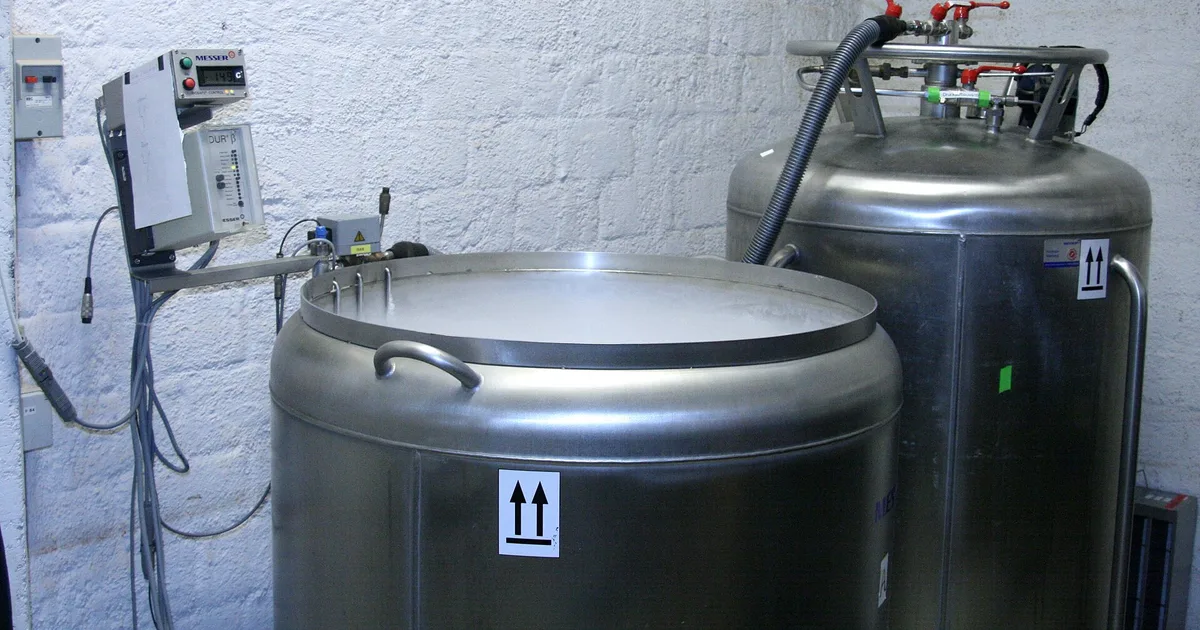
- Fertility preservation: embryo freezing, egg (oocyte) freezing, sperm banking, testicular sperm extraction (TESE), hormonal ovarian protection during chemotherapy, and — as an experimental option — ovarian tissue and testicular tissue cryopreservation, including for pre-pubertal boys
- Reproductive surgery: hysteroscopic and laparoscopic treatment of fibroids, polyps, adhesions, endometriosis, hydrosalpinx and tubal blockage; tubal ligation reversal; robotic-assisted procedures
- Fertility evaluation: ovarian reserve testing (antral follicle count, AMH, FSH, day-3 estradiol), hysterosalpingogram (HSG), saline infusion sonohysterogram (SIS), semen analysis, genetic carrier screening
- Recurrent pregnancy loss clinic, genetic counseling, emotional support services, and the PEARL program
- LGBTQ+ family building, including reciprocal pathways and donor-based conception, stated by the center as open to patients regardless of gender, sexual orientation or marital status
Fees & Packages
There is no published price list. Northwestern Medicine does not post cycle or medication fees, and the center routes cost questions to dedicated financial counselors, reachable through the main Chicago line or the MyNM patient portal, who answer within 24-48 business hours.
What is documented:
- Insurance. Illinois requires plans governed by state insurance law to cover infertility diagnosis and treatment (215 ILCS 5/356m), and self-funded plans are exempt from state mandates — so read your own Summary Plan Description rather than assuming. The center lists 29 accepted plans, including Aetna (HMO/POS/PPO), BCBS Blue Advantage PPO, Classic Blue and PPO, Blue Choice Supervalu PPO, Cigna (HMO/POS/PPO), Coventry PPO, Great-West, HFN, Humana (ChoiceCare POS/PPO, HMO), Medicare, Multiplan PPO, PHCS PPO, PNA, Preferred Plan PPO, Tricare, Unicare PPO and UnitedHealthcare (Choice, Choice Plus, Options PPO, Select HMO, Select Plus).
- Precertification takes 7-21 days. Start it before you pick a cycle start date, not after.
- Medications are handled separately through Northwestern Medicine Specialty Pharmacy, which runs its own benefits verification and precertification for gonadotropins and other fertility drugs.
- Uninsured or underinsured patients can discuss alternative financial arrangements with the counseling team.
- Free pediatric fertility preservation for children facing gonadotoxic treatment.
Patient Journey
- Referral and intake forms. New Patient Health History Form plus a Preoperative History Form, submitted about a week ahead through the MyNM portal, by email or by fax.
- Welcome packet and first visit. Records can be faxed in or carried in. Expect a history review, a physical exam and an ultrasound, and a chance to meet the financial counselor at that same visit. Bringing a partner is encouraged.
- Evaluation. Hormone testing for ovarian reserve and ovulation, semen analysis, and imaging of the uterus and tubes. HSG is done in hospital outpatient radiology; SIS is done in the office; both are scheduled between cycle days 5 and 11, so call on day 1. Practical detail: take 600 mg ibuprofen an hour beforehand, arrive with a full bladder, and expect mild to moderate cramping. Genetic carrier screening is a blood test with results in about two weeks; if both partners carry the same mutation, you get referred to a genetic counselor.
- IVF registration. Four required appointments before medications: an IVF psychology consult (1 hour), a pharmacy consult (30 minutes), a nurse consult (30 minutes), and a financial counselor consult.
- Stimulation. Daily gonadotropin injections for 8-14 days with blood work and ultrasound monitoring, then a trigger shot to mature the eggs.
- Retrieval. 36-38 hours after trigger, ultrasound-guided, under mild IV sedation. The center’s own counseling figure: about 75% of retrieved eggs are mature.
- Fertilization and culture. Eggs and sperm are combined and monitored 3-5 days. The center’s stated averages: roughly 70% of mature eggs fertilize, and 25-50% of fertilized embryos end up suitable for transfer. These are lab yield figures, not success rates.
- Transfer and confirmation. Embryo transferred to the uterus, or frozen for a later cycle. Pregnancy blood test 8-10 days after transfer, then hormone and ultrasound monitoring through early pregnancy.
Local Legal Framework
Insurance coverage. Illinois is one of the states with an infertility insurance mandate: under 215 ILCS 5/356m, plans regulated by Illinois insurance law must provide coverage for the diagnosis and treatment of infertility. Self-funded employer plans fall under federal ERISA rather than state law, so the mandate does not reach them — this is the single most common reason an Illinois patient is told treatment is not covered.
Surrogacy. The Illinois Gestational Surrogacy Act (750 ILCS 47) governs gestational carrier agreements, both compensated and altruistic. Our record of the statute’s conditions reaches only these: the gestational carrier must have independent legal representation and a mental health evaluation, and agreements meeting the statutory requirements are enforceable. Illinois courts issue parentage orders naming the intended parents. Illinois parentage law treats an intended parent under a gestational agreement as a legal parent, and assisted reproduction statutes address donor-based conception for married and unmarried patients alike. Ask an Illinois reproductive-law attorney for the full eligibility list rather than relying on this page — our sources do not carry it.
Embryos, PGT and donation. Embryo freezing and storage, PGT and embryo donation are all legal in Illinois. There is no state statute restricting PGT-A, and the center performs embryo biopsy in its own laboratory. Cryopreserved embryo disposition is contractual: expect explicit consent documents covering how long you may store embryos, annual storage fees, and what happens on divorce, death or non-payment. Read those forms before signing, and keep your own copy.
Access. No Illinois law limits ART access by marital status or sexual orientation, and the center states that it supports patients of all genders, orientations and relationship statuses.
Location
- Address: 259 E. Erie Street, Suite 2400, Chicago, IL 60611
- Phone: +1 312-695-7269