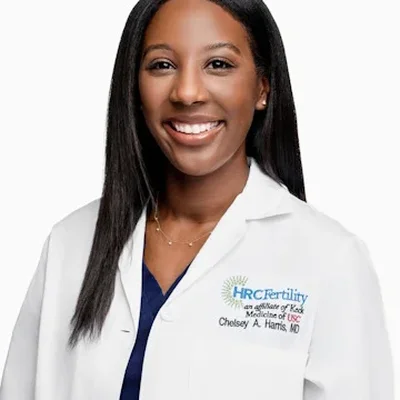
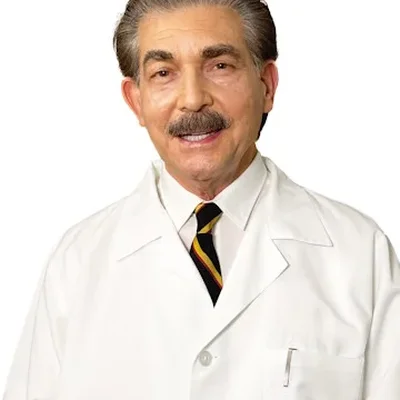
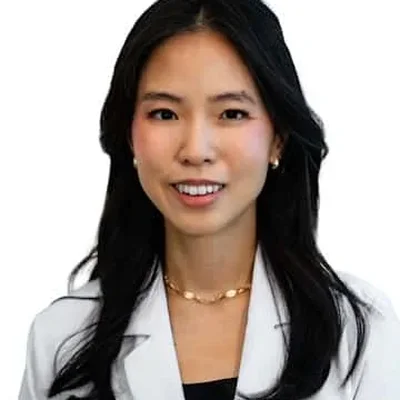
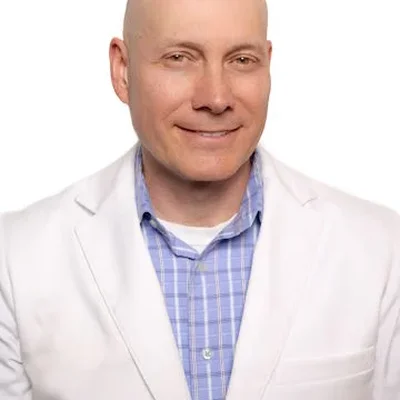
'%20d='m0%200%2016%2011h61%2061%2061%2061%2060L47%2037h61%2061%2060%2061L16%2063h61%2061%2061%2061%2060L47%2089h61%2061%2060%2061L16%20115h61%2061%2061%2061%2060L47%20141h61%2061%2060%2061L16%20166h61%2061%2061%2061%2060L47%20192h61%2061%2060%2061L16%20218h61%2061%2061%2061%2060z'/%3e%3c/svg%3e)
About HRC Fertility Group
HRC Fertility opened in Pasadena in 1988 and has grown into one of California’s larger private reproductive medicine networks: 15 offices, listed by the practice as Beverly Hills, Carlsbad, Encino, Fullerton, Las Vegas, Mission Viejo, Newport Beach, Pasadena, Rancho Cucamonga, San Diego, San Francisco, Santa Clarita Valley (Valencia), Silicon Valley (Foster City), West LA and Westlake Village. Las Vegas, opened in February 2026, is the first site outside California.
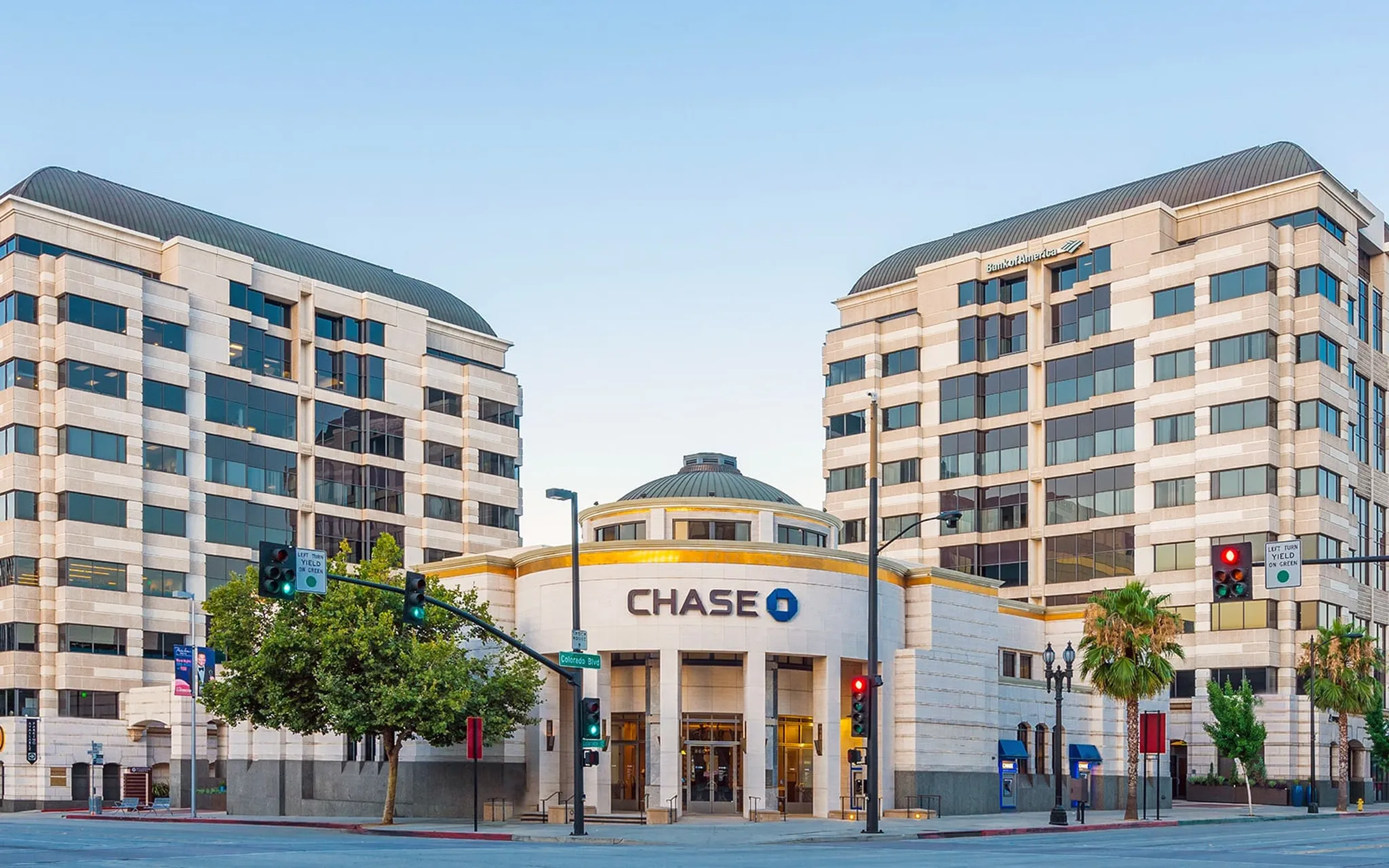
This page is the Pasadena center — 55 S. Lake Avenue, ninth floor — the group’s original location and one of the two offices (with Newport Beach) whose cycles HRC reports in a single combined SART/CDC record. Read the numbers on this page as two-center network data, not as Pasadena-only results. The office choice also matters practically: the physicians below rotate across specific campuses, so the doctor you see depends on where you register.
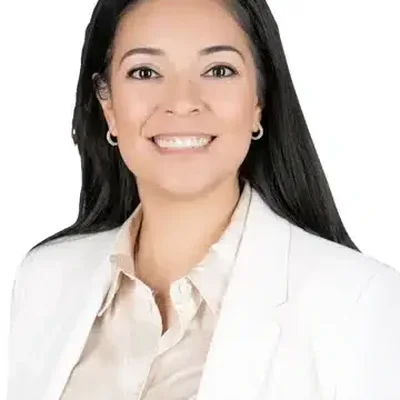
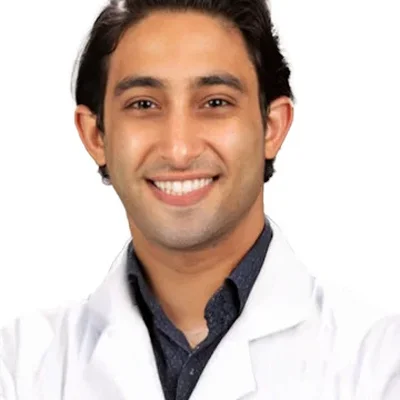
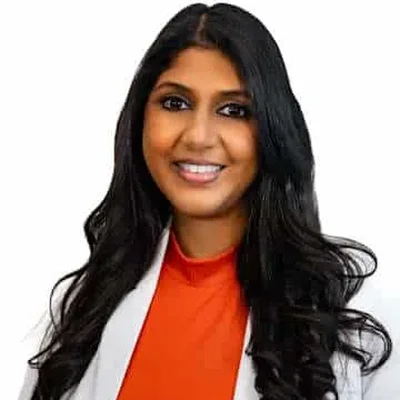
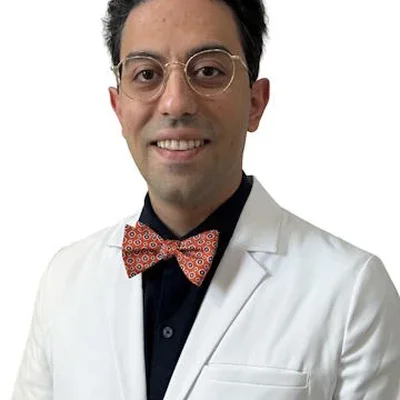
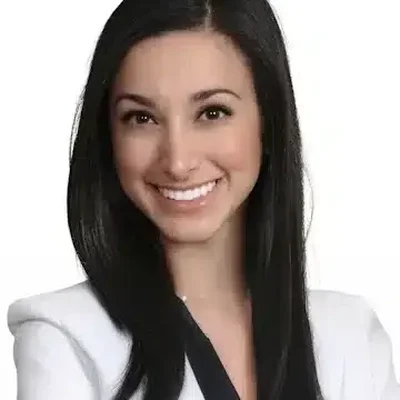
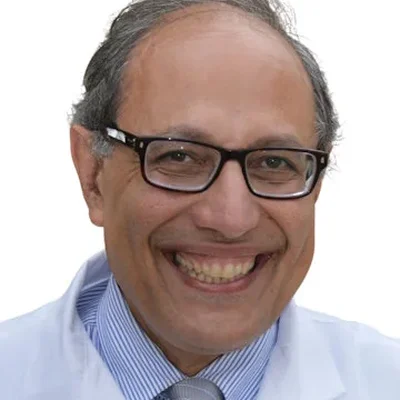
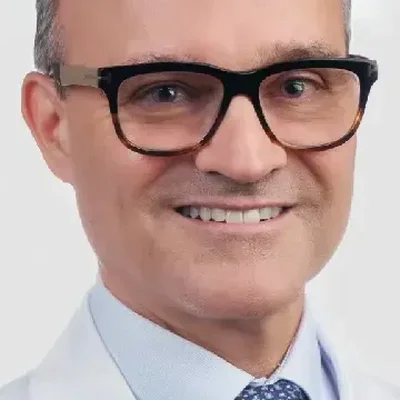
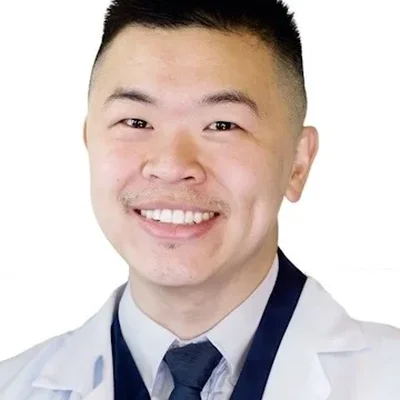
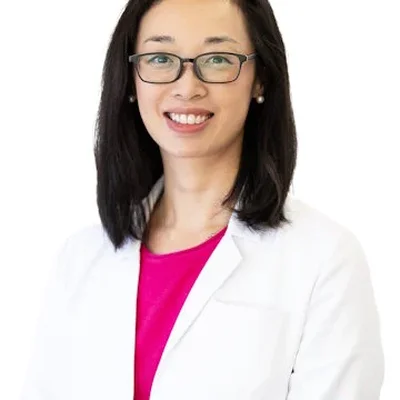
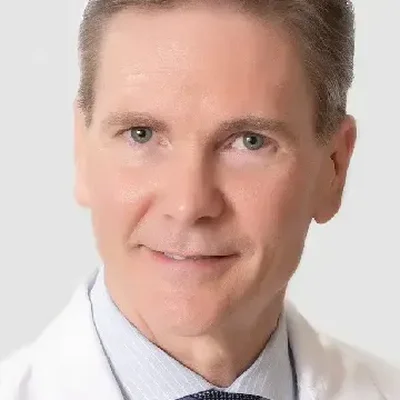
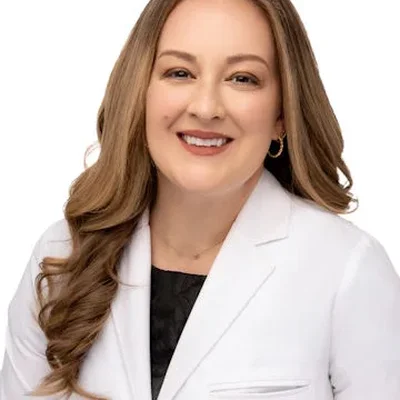
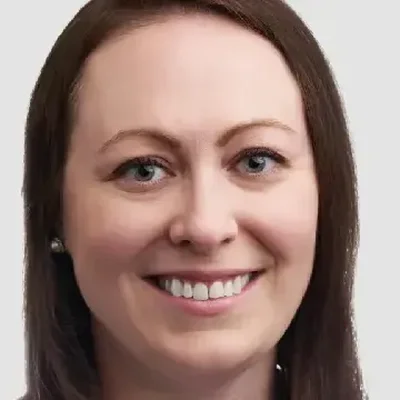
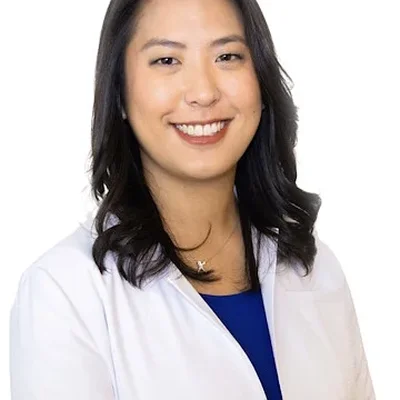
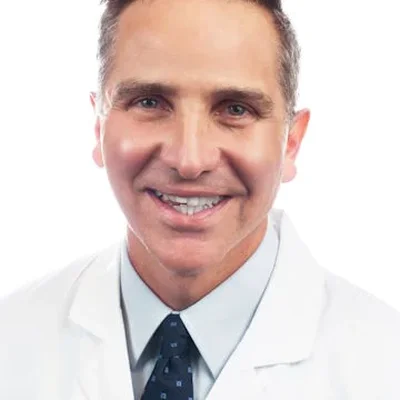
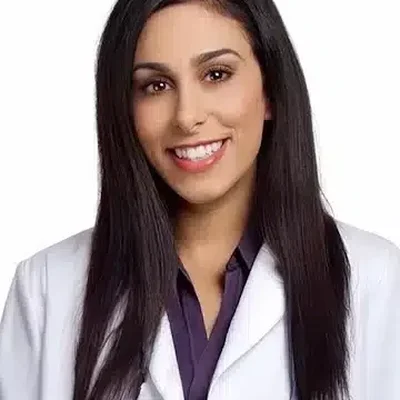
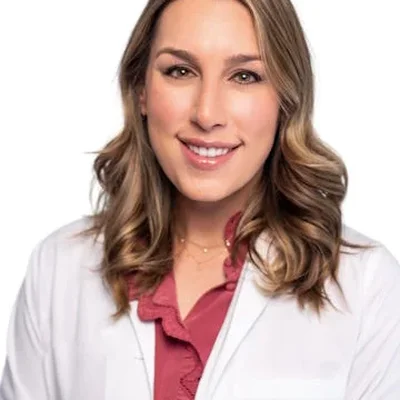
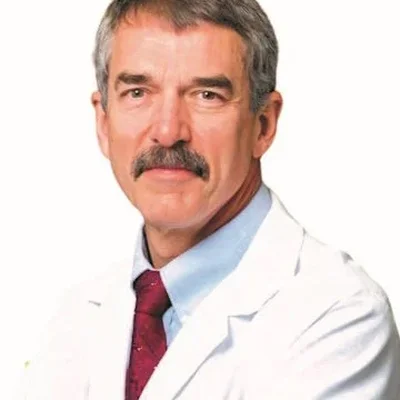
HRC operates as an affiliate of Keck Medicine of USC, and its academic bench is real rather than decorative. Botros Rizk holds the USC chair of the Reproductive Endocrinology and Infertility division; Katherine McDaniel is a USC assistant professor, head of oncofertility and assistant fellowship program director there; Pasadena and Newport Beach attendings carry USC and UCLA faculty titles. The practice says it was the first center on the West Coast to introduce ICSI and preimplantation genetic screening and diagnosis, and it has served as a site for FDA-sponsored trials including in-vitro oocyte maturation (GAMETO), a gonadotropin biosimilar (GRACE) and a PCOS protocol study (REBALANCE). Robert Boostanfar was principal investigator on the largest randomized controlled trial in IVF published in Human Reproduction.
On outcomes, honest framing is needed. The CDC’s 2022 ART figures used here report 42.8% for patients under 35 across the Newport Beach and Pasadena centers. That sits below the 53.2% national under-35 figure in the SART 2023 national summary shown in the same table — and the two are different metrics from different years on different denominators, so they cannot be ranked against each other directly. HRC’s own marketing states that its success rates exceed national averages; the published federal data on this page does not demonstrate that, and no office-level split exists to check it. Ask the clinic for the SART clinic-specific report for the year you start, and compare per-transfer with per-intended-retrieval figures before you draw a conclusion. The volume figure carried in this page’s data block is a network-level number that our sources do not trace to a single registry report, so we do not compare it against the ~873-cycle per-clinic national average — a network total spread across 15 offices would overstate any one center’s volume.
Accreditations & Awards
- SART member practice reporting to the CDC. Newport Beach and Pasadena cycles are filed under one combined SART clinic record (ID 2538) — the same two-center report unit the practice links from its own success-rate page. Verify the current record before relying on any figure.
- CAP laboratory accreditation and CLIA certification recorded for the program’s embryology laboratories.
- Newsweek “America’s Best Fertility Clinics,” 2026, displayed on the practice’s own site.
- Three in-house embryology labs with named, board-certified directors: Tih Tan (ABB laboratory director in Pasadena, a founding member of the original 1988 group), Charlotte Khoury (AAB technical supervisor who built the Orange County lab in 2000), and Eric Urcia (scientific director in Encino, trained at Weill Cornell’s Center for Reproductive Medicine).
- ABOG certification in Reproductive Endocrinology and Infertility and in Obstetrics and Gynecology across the attending roster, with Fellows of ACOG (FACOG) and additional US, Canadian and UK board credentials on Dr. Rizk’s record.
- A 33-physician roster plus four REI fellows, most of them USC- or UCLA-trained, with six appointments that begin in 2026 — a network still adding capacity rather than consolidating.
Why Choose HRC Fertility Group
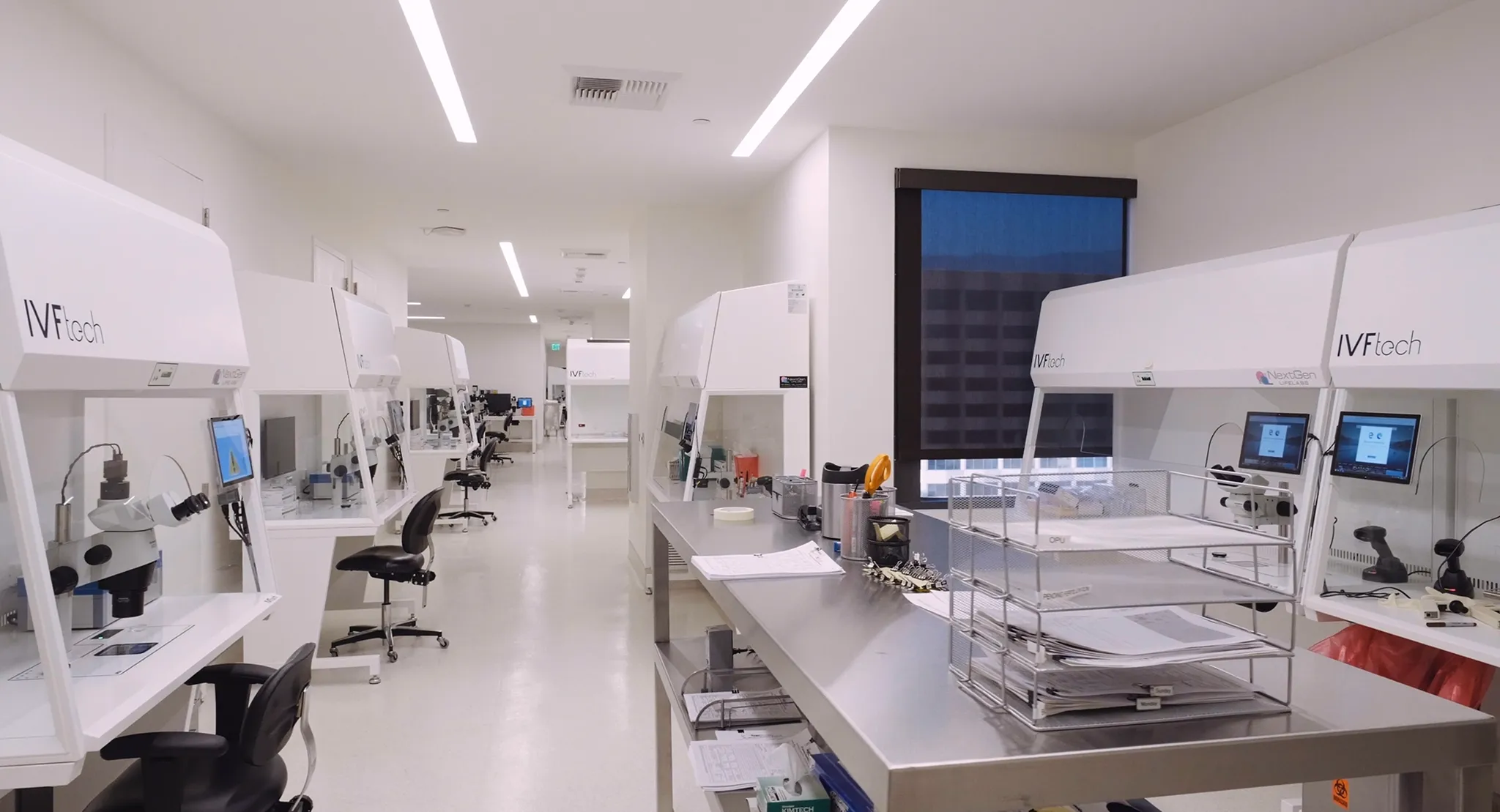
- The lab is in the building, and it is staffed by specialists. Culture runs in low-oxygen incubators on continuous medium, embryos can be held to day 7, and blastocyst vitrification is done in house with the practice reporting that virtually all survived embryos are recovered after thaw. That matters if you want a freeze-all strategy or a day-6/day-7 transfer without shipping gametes to a third party.
- Chain-of-custody controls you can ask about by name: RI Witness electronic matching on gametes and embryos at every handling step.
- Time-lapse plus AI assessment available — Geri incubator imaging paired with CHLOE analysis, used for embryo selection in labs that run it.
- An on-site surgery center (Reproductive Surgical Associates), so retrievals and supportive surgical procedures happen at the same address as your monitoring appointments — the main logistical reason international patients pick this network.
- Third-party reproduction at scale. Pasadena is one of the highest-volume donor egg and gestational carrier practices in the United States, which is where waiting times, donor screening throughput and legal-documentation experience actually accumulate.
- Options for patients who want less medication: Needle-Free IVF (oral stimulation with a single injection) and FemaSeed intratubal insemination, a technique few US clinics offer.
- Single embryo transfer is emphasized, not incidental. The practice lists Single Embryo Transfer (SET/eSET) among its core IVF techniques and offers it specifically to lower the risk of higher-order multiples; our sources publish no clinic-level SET percentage or twin/triplet rate for this network, so we do not quote one.
- Early monitoring hours. Pasadena physicians hold office sessions from 7:30 a.m. on weekdays, which is the difference between keeping a job and dropping one during a stimulation cycle.
- Chinese-language coordination. Staff languages at the offices include Chinese, Spanish, Korean and Russian, and the practice maintains a Chinese-language patient channel; a WeChat-based consult path and Chinese medical coordinators are the reason a large share of its Asian patients choose California.
IVF & Fertility Services
- In Vitro Fertilization (IVF): stimulation with injectable or oral protocols, bloodwork and ultrasound monitoring, transvaginal retrieval, conventional insemination or ICSI, blastocyst culture, and fresh or frozen transfer.
- ICSI (Intracytoplasmic Sperm Injection): performed in house; HRC was among the first US clinics offering micromanipulation for severe male factor, and it maintains male-infertility and unexplained-infertility programs.
- Needle-Free IVF: oral medications plus a single injection for stimulation, aimed at patients who cannot or do not want to self-inject for two weeks.
- PGT-A and PGT-M: embryo genetic screening and single-gene testing, coordinated with biopsy at the blastocyst stage and a freeze-all transfer cycle.
- Single embryo transfer (SET/eSET) and blastocyst transfer, with assisted hatching available.
- Egg, embryo and sperm cryopreservation, including elective egg freezing and a dedicated Nest egg-freezing package.
- IUI (intrauterine insemination) for cervical factor and mild male factor infertility, plus FemaSeed (intratubal insemination), which places washed sperm at the tubal ostium rather than in the uterine cavity.
- Donor eggs, donor sperm and gestational carriers through third-party parenting programs, including same-day matching options and full legal coordination.
- LGBTQ+ family building: reciprocal IVF (one partner provides eggs, the other carries), donor-sperm IUI for lesbian couples, and donor egg plus donor sperm into a gestational carrier for gay male couples.
- Recurrent pregnancy loss and repeated implantation failure clinics: multidisciplinary review with ERA, immune and KIR/HLA-C workup, sperm DNA assessment, and an InVoCell endometrial co-culture option for repeat failures.
- Fertility preservation counseling for medical and non-medical indications, plus semen analysis and standard reproductive testing.
Fees & Packages
There is no published price list for individual cycles. What HRC does publish is a package structure and financing:
- All-inclusive IVF packages — the practice advertises either an all-inclusive bundle or a flat dollar discount (currently promoted as $1,000 off a cycle) rather than à-la-carte billing. Ask which applies to you and what the asterisk excludes.
- Named packages: Promise, Stork (built around donor egg and gestational carrier paths), Nest (egg freezing), Evolution, Dream, Dream Plus and Dream Time (multi-cycle).
- Financing through CapexMD and Future Family, with pre-approval quoted within 24 hours; active-duty and veteran discounts are available.
- Insurance: individual physician pages list coverage as “call to verify.” California requires many fully insured group plans to cover infertility diagnosis and treatment, but IVF carve-outs, medical-necessity criteria and network restrictions are common, and self-funded ERISA plans are exempt. Get benefits confirmed in writing before medication starts.
Because HRC bills cycle components (monitoring, anesthesia, ICSI, PGT biopsy, cryopreservation and storage fees) separately from the package price, request an itemized written estimate for your specific protocol. That single document is where most surprise costs appear.
Patient Journey
- Request a consultation by phone or online; free community events (Fertility 101 seminars, no-cost AMH testing, IVF clinical trial briefings) run at individual offices if you want information before committing.
- Consult with a reproductive endocrinologist, in person or by video. International and out-of-state patients can start with a phone or video consult and complete baseline testing — hormone panels, semen analysis, uterine cavity imaging — at a local clinic before booking travel.
- Protocol design: traditional injectable stimulation, Needle-Free IVF, or a mild/natural-cycle approach, with PGT and freeze-all planned if indicated.
- Stimulation and monitoring at your chosen office, with early-morning scan slots on weekdays and dose adjustments made by your own physician rather than a rotating covering doctor.
- Retrieval at the on-site Reproductive Surgical Associates surgery center, with fertilization by conventional insemination or ICSI in the lab at that campus.
- Culture to blastocyst (up to day 7), optional biopsy for PGT, and vitrification if you are deferring transfer.
- Transfer — single embryo transfer by default — then pregnancy testing and ongoing care, with the practice keeping patients until they transfer back to their own obstetrician.
- For traveling patients, the on-site surgical and lab setup is what compresses the schedule: the practice quotes 7-10 days of in-town treatment for a monitored cycle.
Local Legal Framework
California is the most ART-permissive state in the country, and it is why surrogacy and donor-egg work here is high-volume rather than exceptional.
- Gestational carriers. California Family Code §§7960-7962 sets out the statutory requirements for a valid gestational carrier agreement: a written contract executed before implantation, independent legal counsel for the intended parents and for the carrier, and medical and psychological evaluation of the carrier. When the agreement substantially complies, the intended parents are the legal parents and the carrier has no parental claim. Pre-birth orders naming the intended parents on the birth record are standard practice in California courts.
- Egg, sperm and embryo donation. Under Family Code §7613, a donor who provides gametes or embryos through a licensed physician and consents in writing is not a legal parent of any child born from the donation. Reasonable, documented compensation to egg donors is permitted in California; clinic contracts and agency screening, not statute, set the terms.
- PGT. California imposes no state-level restriction on PGT-A or PGT-M beyond ordinary informed consent and CLIA laboratory standards.
- LGBTQ+ parentage. California parentage law — the Uniform Parentage Act framework in the Family Code — rests on intent rather than marriage or genetic link, and a court may find more than two parents where a child’s interests require it. Our California sources confirm this but name no specific statute section number for it, so we do not supply one. California courts have recognized both mothers in a same-sex couple as legal parents, and second-parent adoption remains available whether or not the couple is married.
- Legal status of embryos. California law does not treat embryos as persons. Disposition is governed by the consent forms you sign at the lab, so read the section covering divorce, death of a partner and non-payment of storage fees — those clauses, not statutes, decide what happens to leftover embryos.
Location
- Address: 55 S Lake Ave 9th Floor, Pasadena, CA 91101
- Phone: (866) 472-4483